2 months ago
47
2 months ago
47

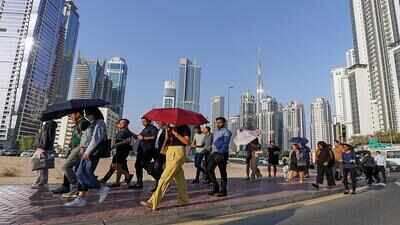
UAE's hottest 40 day summer stretch begins July 3; temperatures to top 50°C / Image - gulfnews
The UAE is preparing to enter the most intense stretch of its summer season, with experts warning that temperatures could climb above 50°C as the annual 'Jamrat Al Qayth' period begins on July 3.
Lasting until August 10, the 40-day phase is traditionally regarded as the hottest and driest time of the year across the UAE and the wider Arabian Peninsula, bringing scorching daytime heat, dry desert winds and recurring heatwaves.According to Emirates Astronomy Society, the season marks the second and most intense phase of the Gulf's traditional summer calendar. Ibrahim Al Jarwan, who is also a member of the Arab Union for Astronomy and Space Sciences, said the period begins with the pre-dawn appearance of the first stars of the Gemini constellation above the eastern horizon, a long-observed astronomical event that traditionally signals the arrival of peak summer conditions.While the calendar may mark the start of July, weather experts say this is when the UAE's true summer reaches its fiercest point, with extreme heat affecting daily life, outdoor work, travel and energy demand across the country.
What is 'Jamrat Al Qayth'?
Known locally as the "Embers of Summer," Jamrat Al Qayth has been recognised for generations as the harshest period of the Arabian Peninsula's climate. It represents the second stage of the traditional summer season, following the appearance of the Pleiades star cluster, and continues until August 10 before giving way to the next seasonal phase marked by the appearance of the Suhail star.
During these 40 days, daytime temperatures across coastal cities such as Dubai and Abu Dhabi generally range between 41°C and 43°C, while inland and desert regions frequently record 45°C to 46°C. During particularly intense heatwaves, temperatures in parts of the interior can exceed 50°C, making it the most extreme weather period of the year.Al Jarwan said the season is characterised by hot, dry 'Samoom' winds, which sweep across desert areas, creating extremely arid conditions and increasing the intensity of daytime heat.
He added that Waghrat Al Qayth, localised heatwaves, often occur during this period, with temperatures remaining at least 4°C above seasonal averages for two or more consecutive days.
Temperatures crosses 50°C in UAE
The air temperature tells only part of the story.According to Al Jarwan, prolonged exposure to direct sunlight can heat vehicles and exposed metal surfaces to around 70°C, creating serious risks for anyone spending time outdoors during the middle of the day. The combination of extreme sunshine and dry desert winds can rapidly increase the risk of heat exhaustion and heatstroke, particularly for outdoor workers and vulnerable groups.As July progresses, another weather pattern begins to emerge.Moisture carried inland from the Arabian Sea by seasonal trade winds gradually raises humidity levels, particularly across coastal areas. By the latter part of the Jamrat Al Qayth period, the interaction between humidity and intense daytime heating can help generate convective clouds over the Hajar Mountains, bringing isolated localised weather activity despite the otherwise dry conditions. The period is also associated with the formation of mirages, dust waves and reduced visibility in some areas.Meanwhile, the National Centre of Meteorology (NCM) has forecast a 98% probability of El Niño conditions between July and November, with temperatures expected to remain near to above seasonal averages. The weather authority has also warned that humidity will make conditions feel significantly hotter than the actual air temperature, particularly in coastal cities such as Dubai and Abu Dhabi, where "RealFeel" temperatures can climb well into the mid-40s even when thermometer readings are lower.
How residents can stay safe in UAE's peak heat
Authorities and weather experts advise residents to minimise exposure to direct sunlight during the hottest part of the day, remain well hydrated and avoid strenuous outdoor activities whenever possible.Drivers are urged to avoid leaving children or pets inside parked vehicles, while anyone working outdoors should follow heat safety guidance, wear light-coloured clothing and take regular breaks in shaded or air-conditioned areas. Motorists should also remember that steering wheels, seat belts and vehicle interiors can become dangerously hot after prolonged exposure to sunlight.With Jamrat Al Qayth set to continue until August 10, meteorologists expect the UAE to experience several rounds of intense heat before humidity gradually increases toward the end of the season. For many residents, the coming weeks will represent the toughest test of the country's summer, with extreme temperatures, dry desert winds and recurring heatwaves defining daily life across the Emirates.