1 hour ago
3
1 hour ago
3

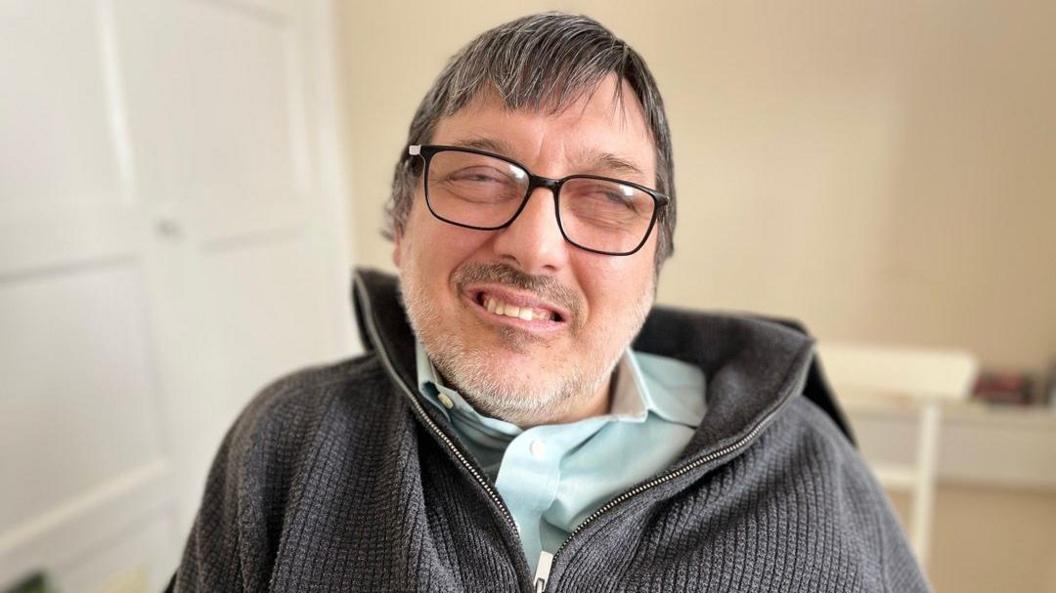
David Cording lived in a Bristol City Council assessment centre for eight-and-a-half years, despite it being unsuitable for him
ByMartin Jones
BBC West Investigations
David Cording was supposed to be housed in a temporary assessment centre for a few short weeks but, nearly nine years later, he was still in the place he refers to as his "jail".
He could not leave Concord Lodge in Bristol unaided, an experience he said left him feeling isolated and "locked up".
David, 54, has cerebral palsy, autism, and learning disabilities.
He had to be moved from his own flat in Bristol after an incident with his carers in 2015, but he ended up in the "unsuitable" placement for far longer than expected.
His friends and family said the total cost of keeping him in Concord Lodge for eight-and-a-half years had been more than £2m, based on a published weekly cost of £4,600 per week.
"That's £2m of local taxpayers' money that has been spent to keep him in a place which he absolutely hated and was impacted, traumatised by," said friend Mike Cooper.
Bristol City Council apologised and paid compensation after a complaint from David's family was upheld by the Local Government Ombudsman in 2020. It also settled a civil case without admitting liability in March 2026.
Some social care experts believe his case highlights a wider problem in which people with learning disabilities or autism spend far longer in institutional settings than they need to because of the difficulty in finding suitable care.
David loves games and jokes and has an active imagination. He collects one-liners, has performed in amateur movies and devised a comedy drama series in which he plays a character called Del Boy McGregor.
But while he needs no help with his imagination, David requires a lot of assistance on a day-to-day basis. He needs help with aspects of personal care and preparing food.
Cooper and David's friend Dr Mike Chase, along with his sister Sarah and mum Jenny, have campaigned on his behalf for many years.
"He's a very amiable, jovial person," said Cooper. "He's my mate, you know?"
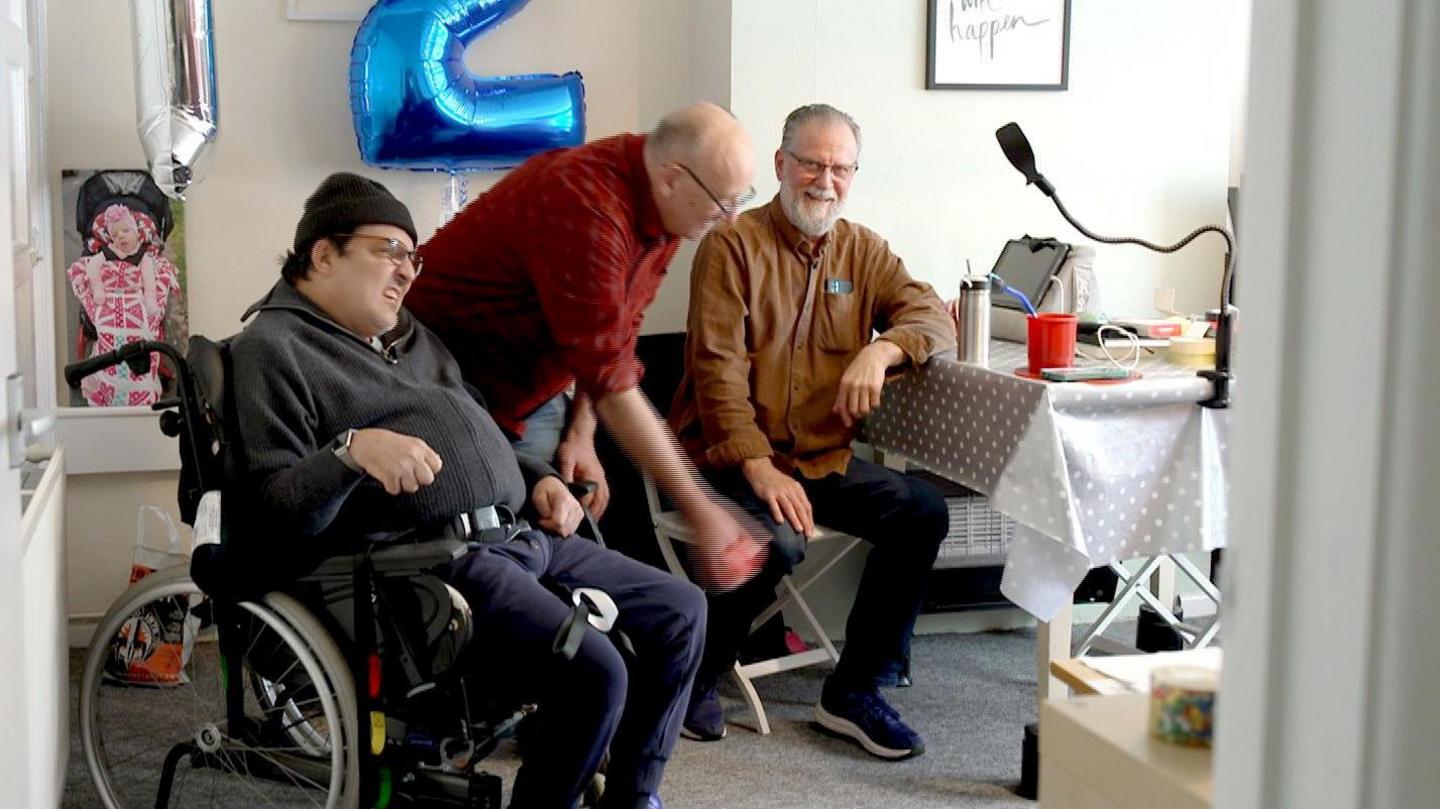
David enjoys playing Bocce, a variant of bowls, now he is back in his own flat. He keeps records of the scores
David needed to move from his flat to Concord Lodge in 2015 after an incident in which a support worker was injured and the relationship with his carers broke down.
He initially spent time in Southmead Hospital.
Concord Lodge was rated as "good" by the Care Quality Commission in 2015, 2017 and 2019, before closing in 2024.
"I would say Concord Lodge was pretty much a prison," said Chase. "It had locked gates.
"When we would visit... we'd have to be escorted. David did not know the codes to the gates until five years into his stay there."
This meant David could not leave independently.
Videos taken by his friends at the time show David struggling to open the gates. He could see nearby Horfield Common but not get to it.
Staff did not push him in his wheelchair for health and safety reasons, there was no kitchen in his flat and no communal area.
He described staying there as "pretty crap".
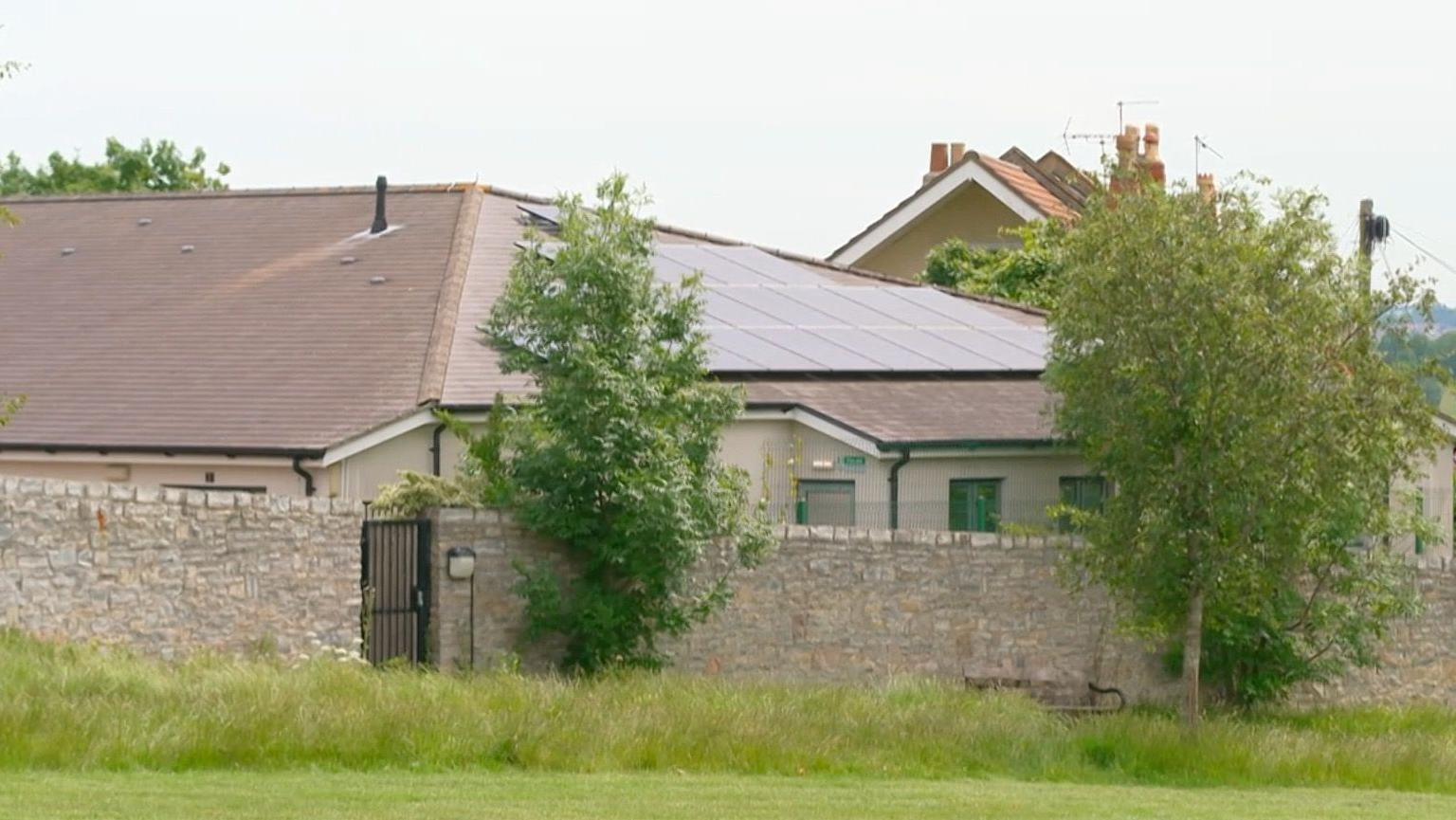
Concord Lodge was rated "good" by the Care Quality Commission but David's friends and family feel it was unsuitable for him
Cooper said the experience had set David back in his mental health and confidence.
"The guy you meet today [is] diminished in terms of his personality, in terms of his outgoingness, in terms of his friendliness and jovial attitude," he said. "He goes to strict routines to feel safe."
David, his friends and family complained to Bristol City Council and then escalated this to the Local Government Ombudsman.
In 2020, when he had been in Concord Lodge nearly five years, the ombudsman found in their favour, saying the council had paid "insufficient regard" to David's human rights and "repeatedly failed to take the action needed to secure an appropriate placement".
Bristol City Council accepted the decision in full, issued an apology and paid David £5,000 compensation.
It declined to comment on the specifics of the apology or payment.
David's family assumed he would then be moved - but he remained in Concord Lodge for another four years.
The council offered more than half a dozen alternative placements, but both the ombudsman and David's family found them unsuitable.
Cooper said the placements had been "inappropriate".
He said some were too small, one was in close proximity to drug users and another was pulled at the last moment due to lack of funding.
"His dream of an independent life collapsed," he said.
David's mum Jenny said she was "appalled" by what had happened to her son.
"I can't believe something that was council-run could have gone so badly wrong," she said.
"You don't lock somebody away for that many years. It's just unbelievable."
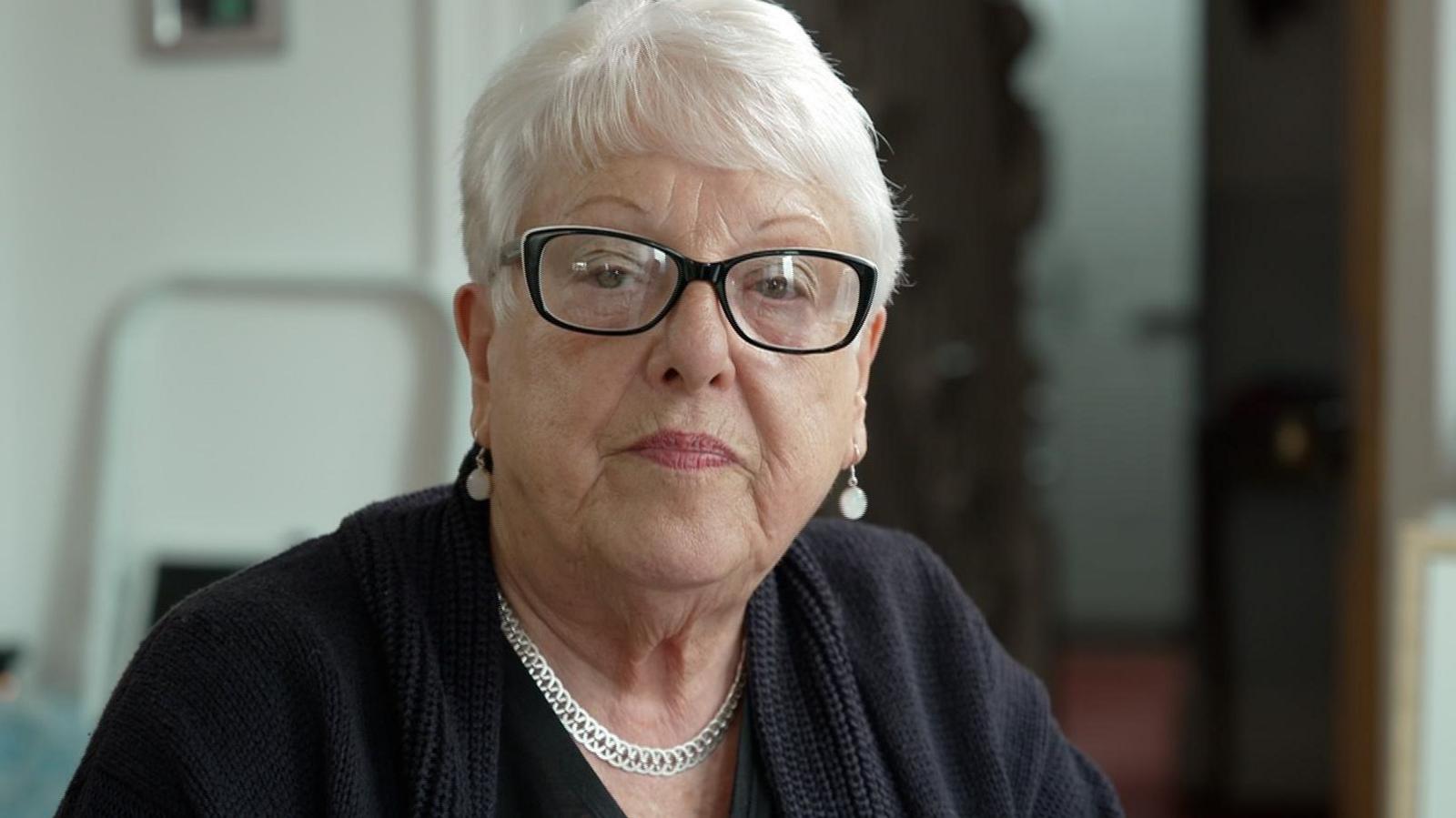
David's mum Jenny said she was "very angry" about her son's treatment
It took until 2024 for the city council to find somewhere safe and suitable for David.
The solution was for him to return to the flat he had left in 2015, but with safety improvements and carers round the clock.
"Everything was pristine when he went back in and he was just absolutely over the moon," Jenny said.
Bristol City Council said it had worked to find options that would "promote wellbeing".
A spokesperson said: "When major adaptations to a home are not feasible or economically viable or will fail to meet the person's needs... we will consider suitable care packages or alternative specialist accommodation.
"Where a person's needs are complex and specific, this can present additional challenges.
"We will of course make every attempt to offer a person's preferred choice but, given the constraints on our available resources, as well as the limits on capacity of external providers, this may not always be achievable."
David's family and supporters sued Bristol City Council after he returned to his flat because they believed the impact on him of staying in the council-run centre for so long had been profound.
Their case claimed David had been falsely imprisoned and his human rights had been breached.
The council settled the case in March 2026 without admitting liability but did pay David £25,000.
Around the country, "assessment centres" like Concord Lodge are rare.
But for some care charities, David's case is part of the deeper problem of people with learning disabilities or autism being kept in institutional facilities longer than they need to be.
According to Mencap, external, there were 2,150 people with autism or learning disabilities in mental health hospitals at the end of June 2026.
Of those, 210 were clinically ready for discharge but could not be returned to the community because of housing and social care pressures.
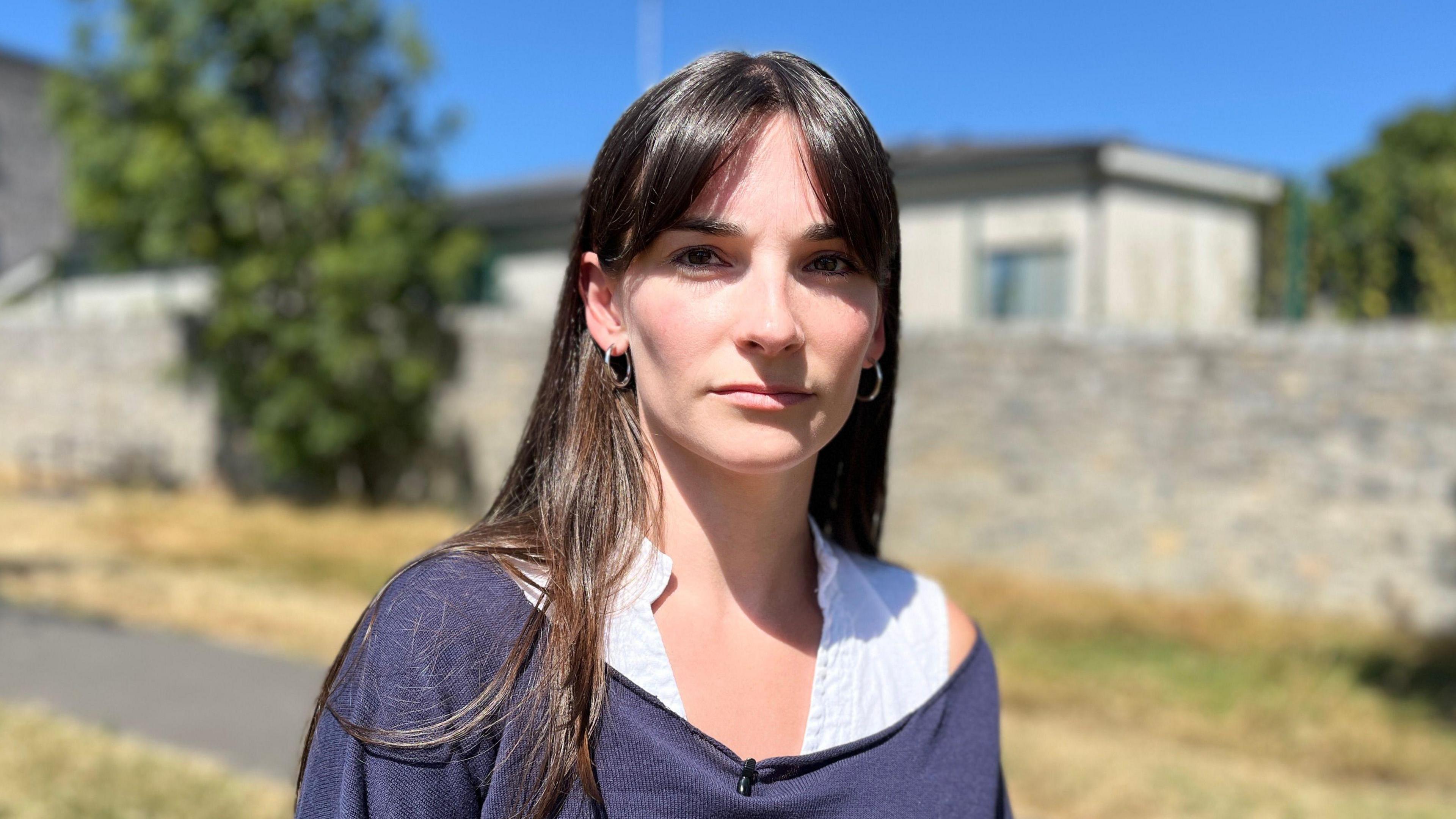
Lawyer Lucy Gripper said David's case was part of a wider pattern that showed the failure of the social care system
Lucy Gripper, a former legal caseworker for the charity Access Social Care, was part of the team that helped David challenge Bristol City Council.
She said his case was part of that wider pattern.
"People want to be free and they want to live good lives and they want to be in control of what's happening to them," she said.
"When you're put in an institution... that's taken away from you.
"So particularly for people who are autistic and have learning disabilities, these places can be really, really difficult."
Prime Minister Andy Burnham has recognised the issues facing the social care system and has brought forward a review into the whole sector,, external to report in summer 2027.
David said he was just pleased to finally have somewhere safe to live.