2 months ago
48
2 months ago
48

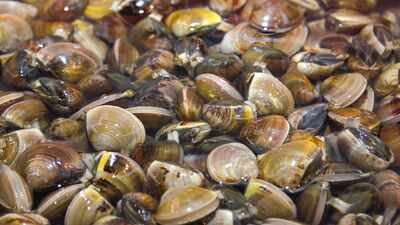
zebra mussels (Representative image by Canva)
In the late 1980s, an aquatic invader quietly entered North America through an unlikely route: a ship’s ballast water. That species was the zebra mussel, and within a decade it had spread across all five Great Lakes, triggering one of the most notorious invasive-species stories on the continent.
More than three decades later, the same tiny shellfish is still making headlines; this time in Texas, where officials have now declared Lake Meredith fully infested and identified it as a possible stepping stone for further westward spread.
A small mussel with a big impact
Zebra mussels are native to Eurasia, but once they arrived in North America, they adapted fast and spread even faster. According to the USGS, they are a problem because they cling to hard surfaces, multiply rapidly, and can damage ecosystems, native species, and infrastructure.
Their sharp shells can also litter shorelines and create hazards for people using the water.What makes zebra mussels especially difficult to control is how efficiently they travel. They can move from lake to lake on boats, trailers, and equipment, which means one contaminated vessel can carry them into a brand-new water body. That is one reason the invasion spread so quickly after its arrival in the Great Lakes region.
Why Texas is the new flashpoint
Fresh news comes from Texas shows that officials confirmed in June 2026 that Lake Meredith near Amarillo has an established, reproducing zebra mussel population, as per reports. Texas Parks and Wildlife Department (TPWD) says the lake is now the state’s 35th fully infested lake, and the concern is not just the infestation itself, but what it could mean for nearby waters in the west.Officials said the detection included both larvae and settled mussels of different sizes, which is a strong sign the population is not new or accidental.
In practical terms, that means the mussels are breeding in the lake, not just passing through. That is why Lake Meredith has been described as a troubling stepping stone in the species’ continued spread.
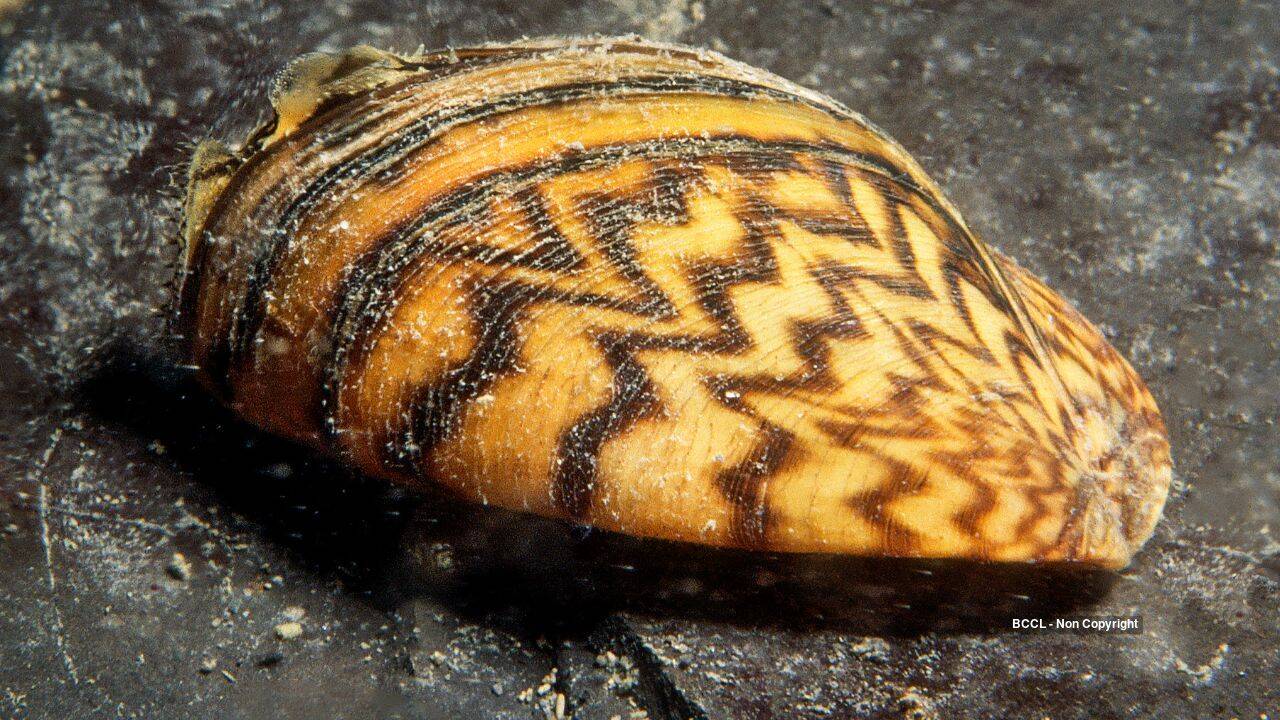
zebra mussel
How the invasion reached this point
The zebra mussel story in North America began with ballast water, but the larger spread happened through a mix of waterway connections and human movement. Once established in one place, the species can spread downstream naturally, and boats can move them overland to entirely new basins.
TPWD says that is exactly why boat cleaning and draining remain so important.The state’s current map shows just how far the invasion has advanced. Texas now lists 35 lakes as fully infested, with zebra mussels also detected in other lakes that are not yet known to have reproducing populations. That growing footprint shows how a problem that started years ago continues to expand in waves.
Why Lake Meredith matters
Lake Meredith is not just another dot on the map. Texas officials have warned that a lake in the Panhandle could act as a bridge for further spread westward, which raises the stakes beyond state lines.
Once invasive mussels are established in a water body, they become much harder and more expensive to manage.They can also affect recreation and infrastructure. Zebra mussels attach to pipes, pumps, docks, boats, and other hard surfaces, creating maintenance headaches and, in some cases, damaging equipment. For communities that depend on lakes for water supply or recreation, that can become a long-term burden.
A lesson in prevention
The main lesson from this story is that invasive species rarely stay where they start. Zebra mussels arrived through global shipping, spread through connected waters, and then found a second highway in human activity on lakes and rivers. That combination has made them one of the clearest examples of how fast a small species can reshape a large landscape.For boaters and lake visitors, the prevention message is simple: clean, drain, and dry every boat, trailer, and piece of equipment before moving to another water body.
That routine step may seem small, but it is one of the few effective ways to reduce the chance of carrying invasive mussels into the next lake.
The bigger picture
What began in the Great Lakes in the late 1980s has turned into a continent-wide warning about how easily ecosystems can be altered when invasive species gain a foothold. Zebra mussels are a reminder that biology, shipping, recreation, and water management are deeply connected.And now, with Lake Meredith added to Texas’s list of fully infested lakes, the story feels even more current. The invasion is no longer just history. Instead, it is still unfolding: one lake at a time.