
 2 months ago
42
2 months ago
42

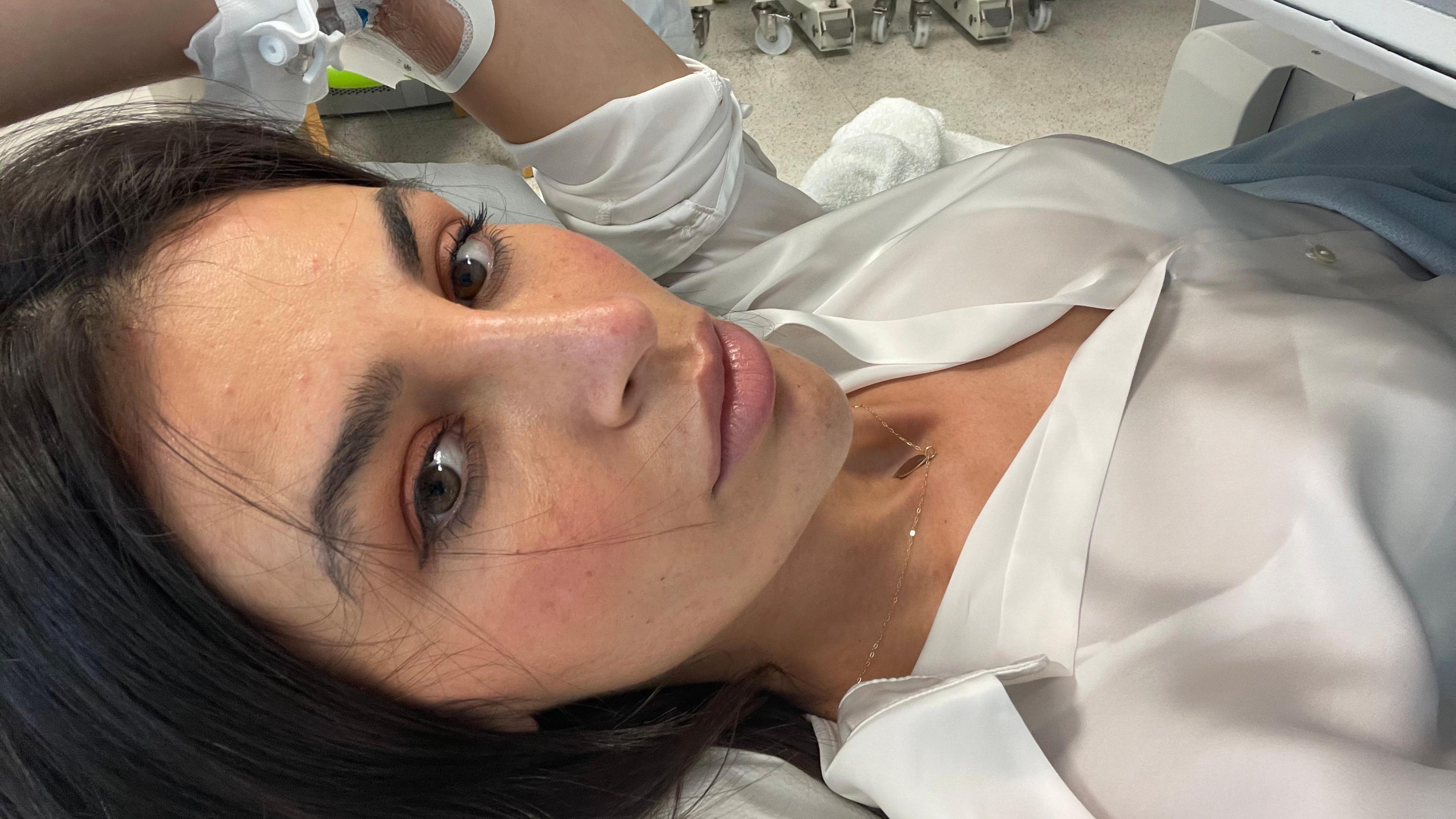 Image source, Carla Cressy
Doctors removed Carla Cressy's appendix, but it was endometriosis that was causing the excruciating pain
ByCharlie Jones and Alice Cunningham
Carla Cressy worked as a model from the age of five until she was 17, but kept collapsing on shoots.
"It was really embarrassing and I couldn't do it anymore," she says.
From the age of 13, when she started her periods, she was plagued by excruciating pain but she was only finally diagnosed with endometriosis when she was 25.
By then, doctors had removed her appendix, mistakenly thinking she had acute appendicitis.
"I was hospitalised for chronic constipation several times. I wasn't able to eat, I was vomiting and in such severe pain but I kept being told it was a stomach bug."
Carla ended up retraining as a beauty therapist because she felt she was "unemployable and unreliable" due to her health.
"I would have a client, then sit in a boiling hot bath to ease my stomach pain. It was horrible, but it was the only way I could earn a living," the 35-year-old from Essex says.
One in six women with endometriosis are estimated to leave the workplace due to the condition, which causes tissue similar to the lining of the womb to grow outside it.
Carla recently gave evidence to an ongoing inquiry, external into how the condition affects women in the workplace, external.
There is currently no legislation in the UK to ensure workers with menstrual health conditions are treated fairly if they need time off work.
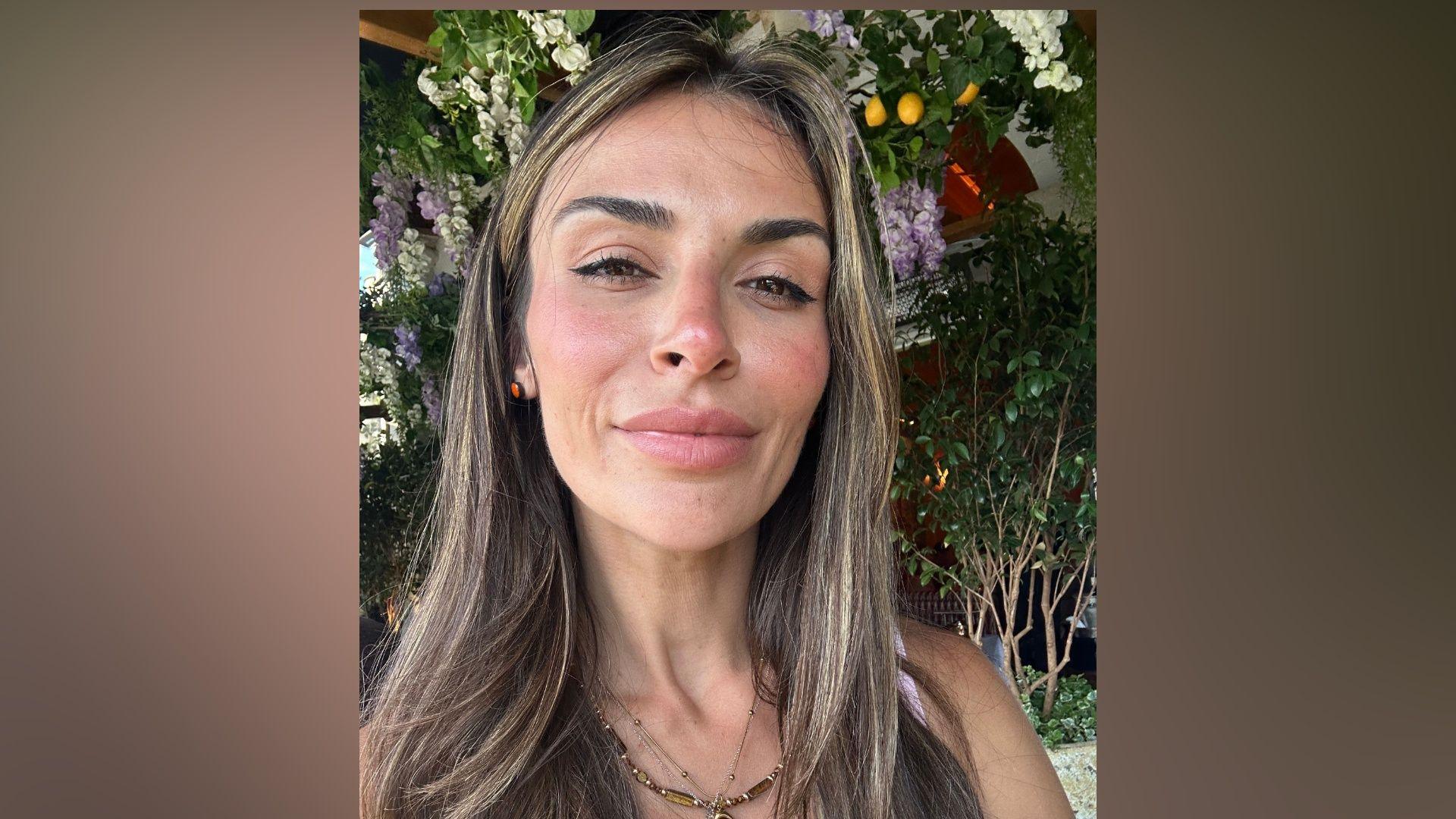 Image source, Carla Cressy
Carla was made an OBE earlier this year for helping ensure endometriosis is becoming a more visible and better-understood condition
Because her endometriosis had been left untreated for so long, it had formed into frozen pelvis disease where "everything was stuck together".
It destroyed Carla's reproductive organs and was so extensive she was left needing bladder reconstruction surgery and a total hysterectomy.
"Thankfully, I managed to freeze my eggs but I can't now carry a baby, so if I do decide to have children I will have to go down the surrogacy route," she says.
While bedridden after surgery Carla connected with other women with endometriosis and started online support groups which evolved into her forming a charity, The Endometriosis Foundation.
"It still shocks me that this condition is so common," she says. "When I was diagnosed 10 years ago, I was told I was too young and that it was rare. We now know that it is absolutely not rare.
"A lot of people still believe endometriosis is just a period condition. It's so much more than that. We're talking about lung collapse, kidney loss, extensive surgeries, infertility and careers being cut short."
'I threw up in a bin at work'
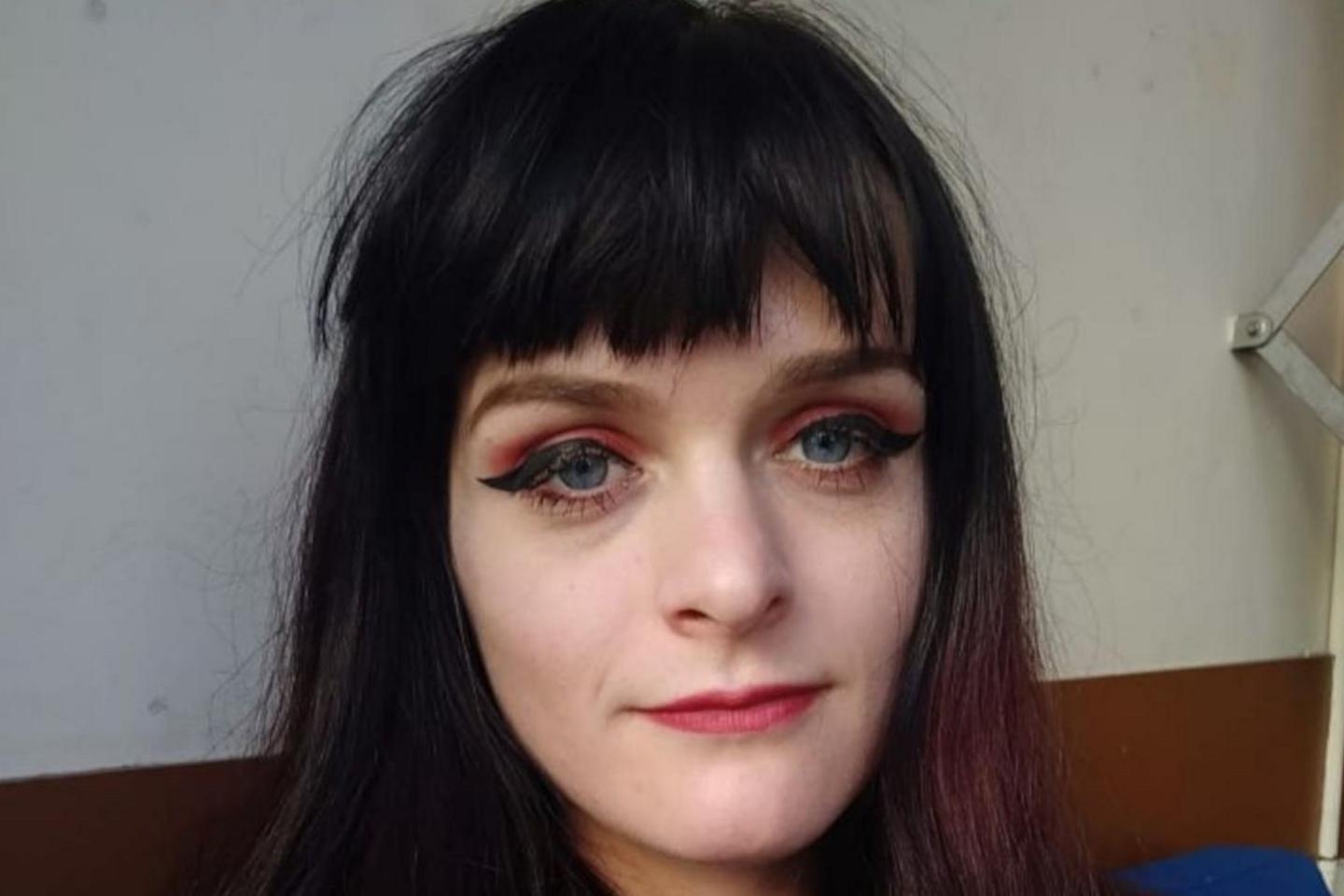 Image source, Abi Smith
Abi Smith said her endometriosis had made her mental health suffer over the years
Abi Smith, 27, who is originally from Braintree but now lives in Lowestoft, was prescribed a gut health yoghurt by doctors when she was 10 and struggling with pelvic pain.
When she started her periods soon after, she said the pain was so bad "I felt like I was dying".
"I worked in the post office," she said. "I would have periods where I was at work hunched over trying to serve customers, throwing up in the bin, running off to the toilet every three minutes."
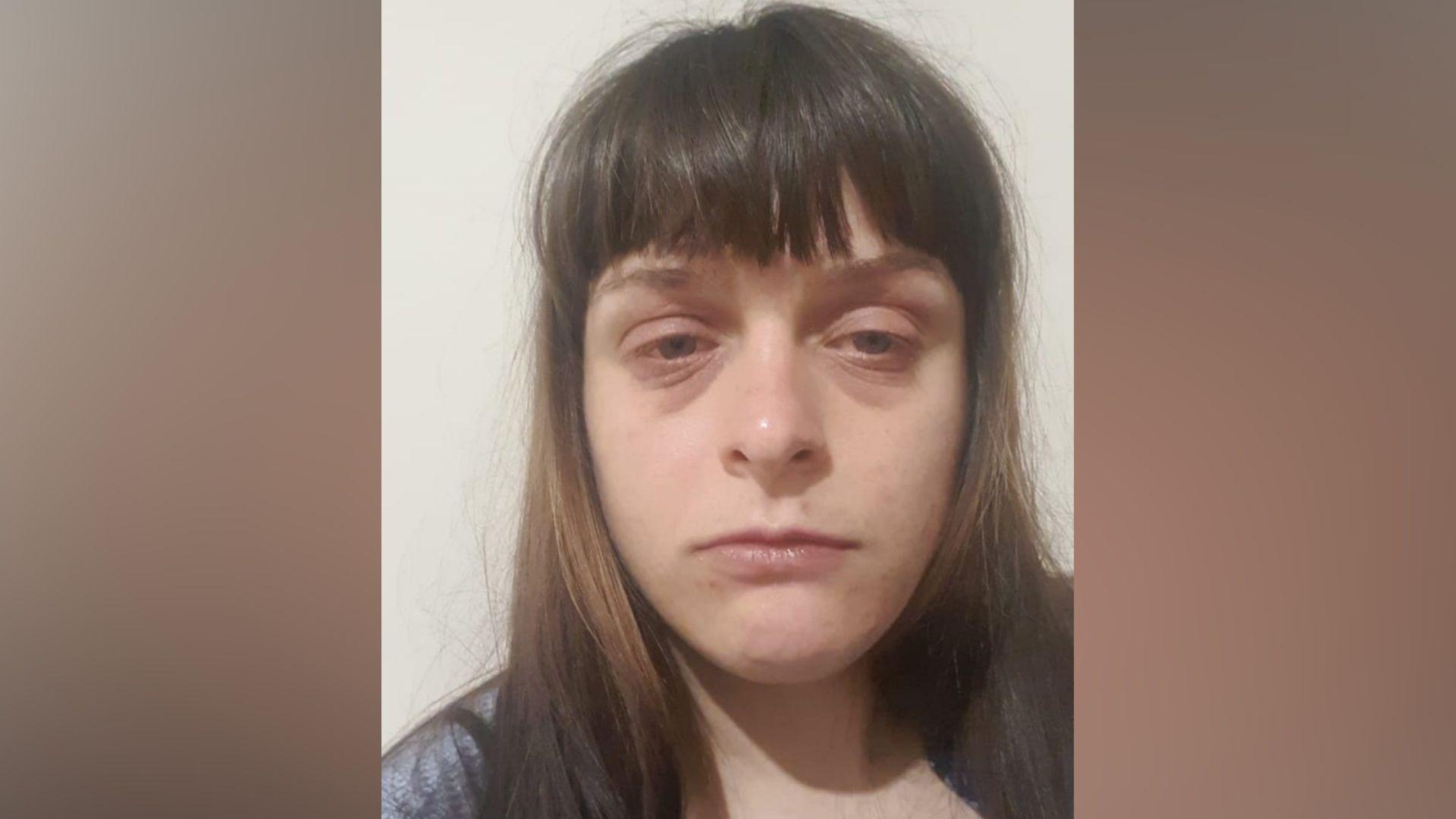 Image source, Abi Smith
Abi said it was "disgusting" how long some women have to wait before they are diagnosed with endometriosis
There was a long delay before Abi, like Carla, was eventually diagnosed.
For her it was not until she was 21 and she feels doctors failed to take her seriously.
She is currently going through her third medically induced menopause, which "shuts down" her ovaries and helps manage her pain.
"I'm just completely infuriated by everything I've had to go through.
"I've become a very bitter person because of all of this," she says.
Abi has applied for disability benefits and been rejected three times. She now works as a sales administrator and despite her pain she must carry on working.
She feels hopeful the inquiry is looking into how the condition affects women in the workplace, but would like to see it widened out.
"It's encouraging because it's a real struggle to be productive and show up every day."
"I've always worked, I've always tried my best to stay in work even though I feel like absolute crap," she says.
 Image source, Vicki Knights
Dr Windgassen says the combination of severe pain and not being believed is one of the most damaging experiences people can face
Psychotherapist Dr Sula Windgassen says women with endometriosis are often told their symptoms are "all in their head".
Many have had to quit their jobs, leaving them isolated and more anxious, she says.
"Therapy often becomes a space for exploring alternative careers, hybrid working arrangements, or other ways of maintaining employment. None of those decisions are simple.
"Some individuals spend two or three hours every morning recovering from the pain caused simply by going to the toilet.
"I've spoken with women who describe their pain as being beyond 10 out of 10, where all they can do is lie down and endure it.
"That isn't something a person can simply recover from and then continue with a normal work day. It's incredibly sad that more support isn't available."
She is currently researching medical gaslighting and gathering evidence via a questionnaire.
"There is a serious problem within healthcare around medical misogyny and unconscious bias.
"The more people are dismissed medically, the worse their health outcomes are likely to be. We see changes in inflammation, alterations in cortisol patterns, and a range of other biological effects that interact directly with health outcomes."
'Endometriosis has spread to my lungs'
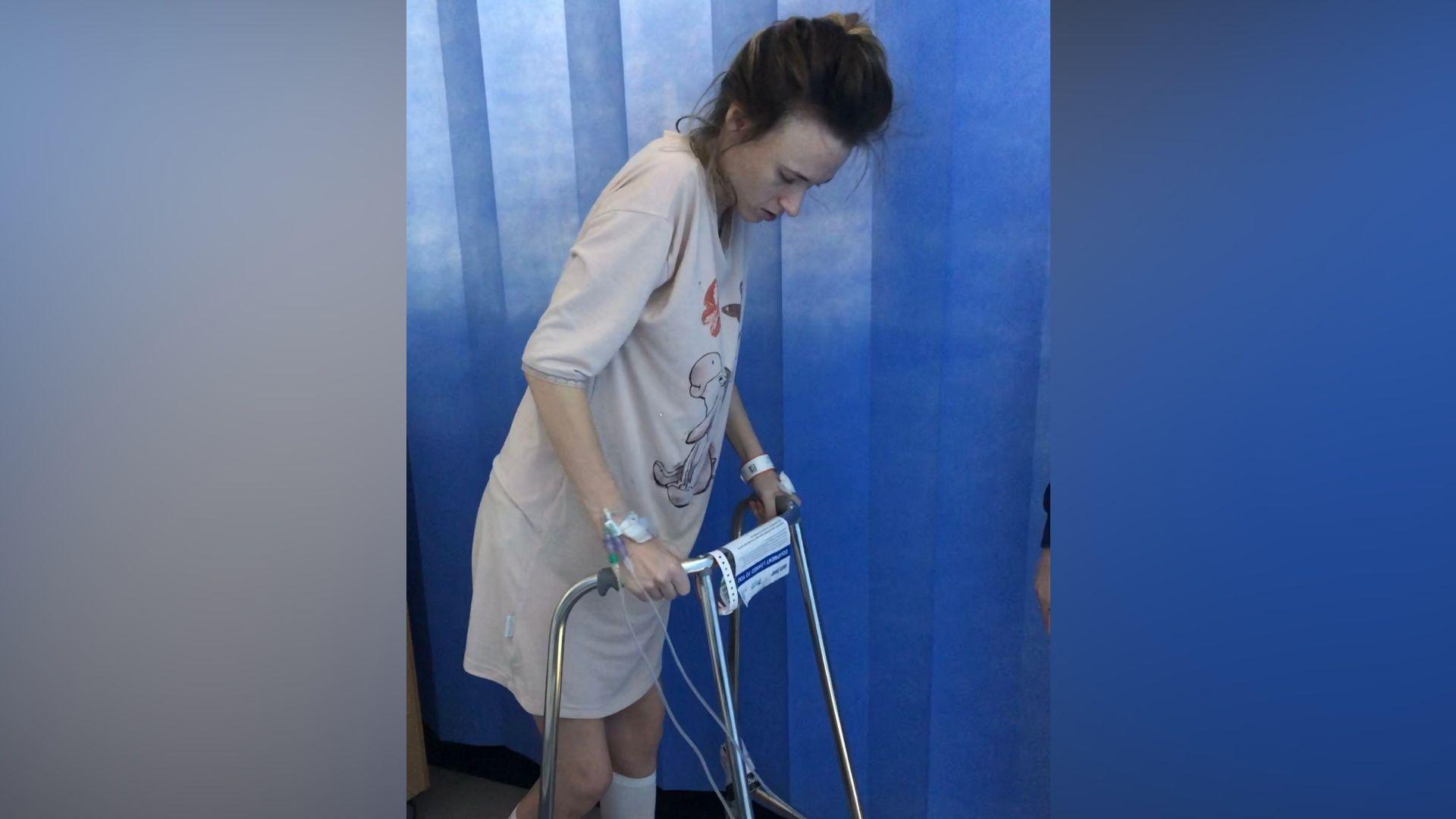 Image source, Monica Thomas
Monica said she spent years questioning herself when doctors failed to take her pain seriously
Monica Thomas, 34, from Ipswich had to wait years before she was diagnosed with endometriosis.
The condition has now spread to her lungs and she is due to have lung surgery, while she is also waiting for operations on her bowels and pelvis.
Monica also lives with adenomyosis, where the womb lining grows into the muscle in the womb's wall, pelvic congestion syndrome which causes chronic pelvic pain, and Lichen Sclerosus, which is a chronic inflammatory skin condition that most commonly affects the genitals.
"Throughout that journey, I felt incredibly isolated, lonely, confused," she says. "I didn't have anywhere to turn."
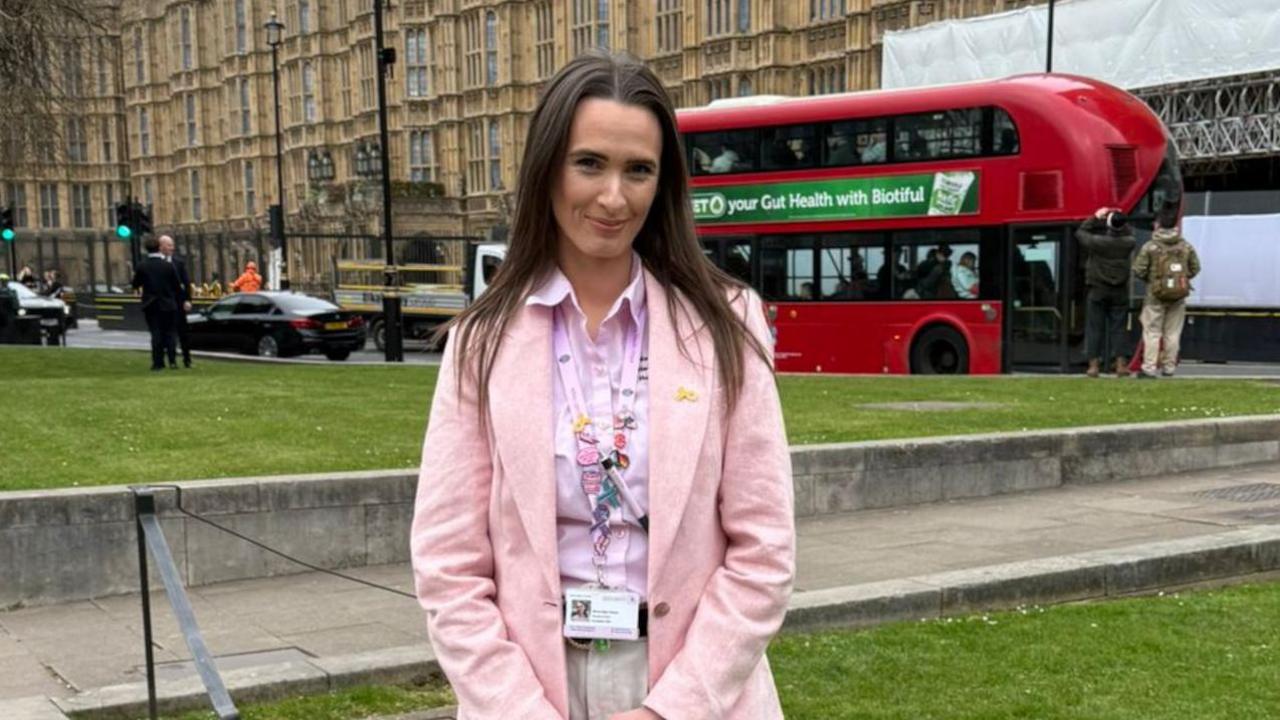 Image source, Monica Thomas
Monica Thomas has campaigned for better support for women and their health
Monica wonders if her health issues could have been prevented if she had been believed by doctors in the first place.
While researching the condition, she came across many other women in similar situations who felt "unheard and unsupported".
She now works to empower other women after setting up the charity Women's Health Hope.
It is due to open a women's health hub in the Unity Centre in Ipswich next month.
"For me, it's been incredibly important to actually give women somewhere they can go so that they can let their emotions out, talk to people, feel supported.
"Because we don't have it, we don't have that support.
"In a recent study 84% of women feel unheard by the healthcare professionals.
"It's a really large amount of women and to be able to give them a place to go where they can feel heard and supported, I think for me it was a no-brainer."
An NHS spokesperson said: "Medical professionals, including GPs, should follow National Institute for Health and Care Excellence guidelines to diagnose endometriosis.
"Struggling patients can also receive specialist care for menstrual problems and endometriosis through women's health hubs, which are available in most areas."


