1 hour ago
2
1 hour ago
2

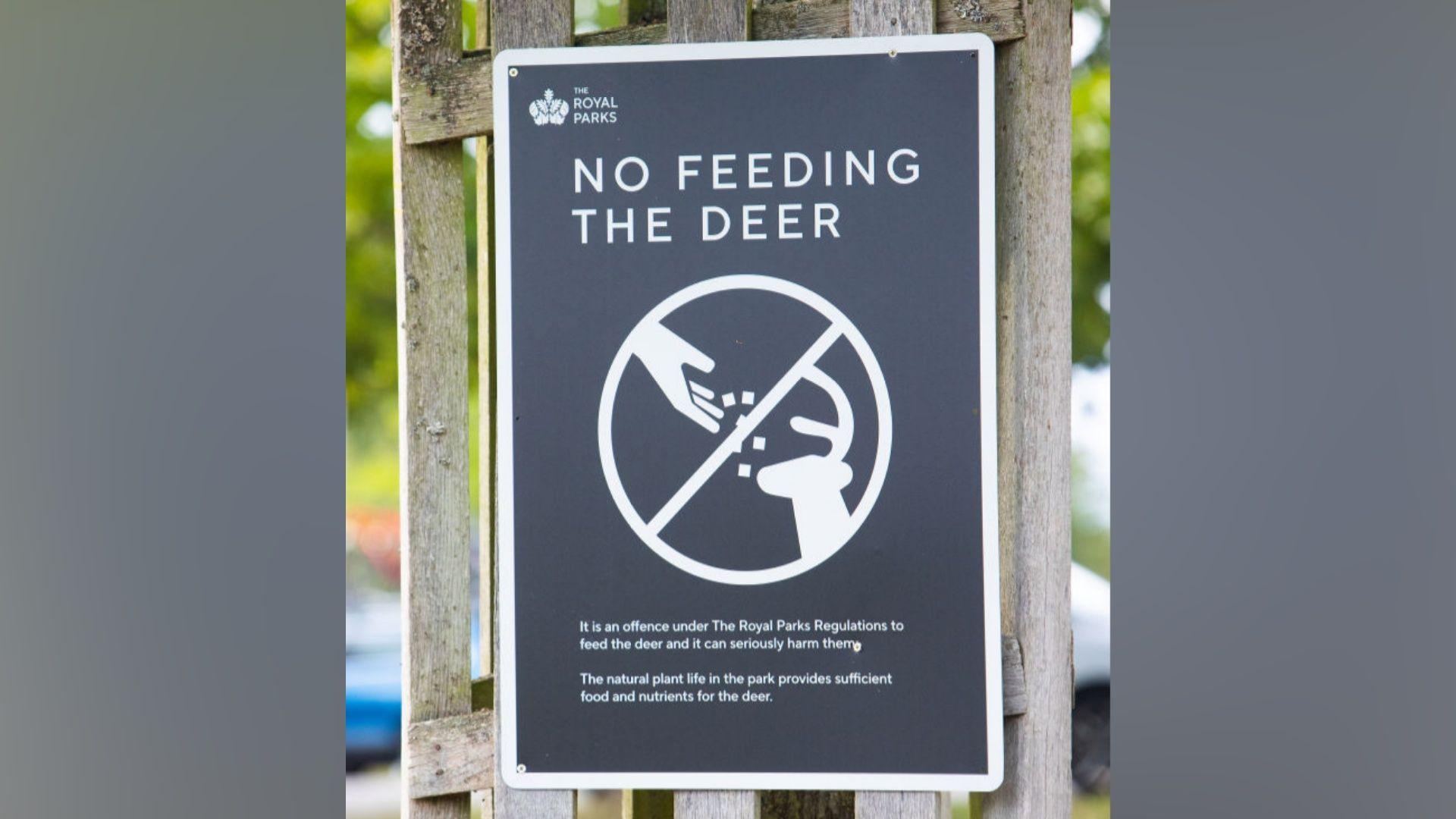 Image source, Getty Images
Why are people being told not to feed the deer?
Visitors to south-west London's Richmond and Bushy parks are being urged not to feed the red and fallow deer or get within 50m (165ft) of the animals.
On Saturday, a man in his 60s suffered chest injuries after being attacked by a stag in Richmond Park when it approached his picnic group.
The deer was subsequently shot by a Royal Parks wildlife officer as it was deemed a danger to visitors.
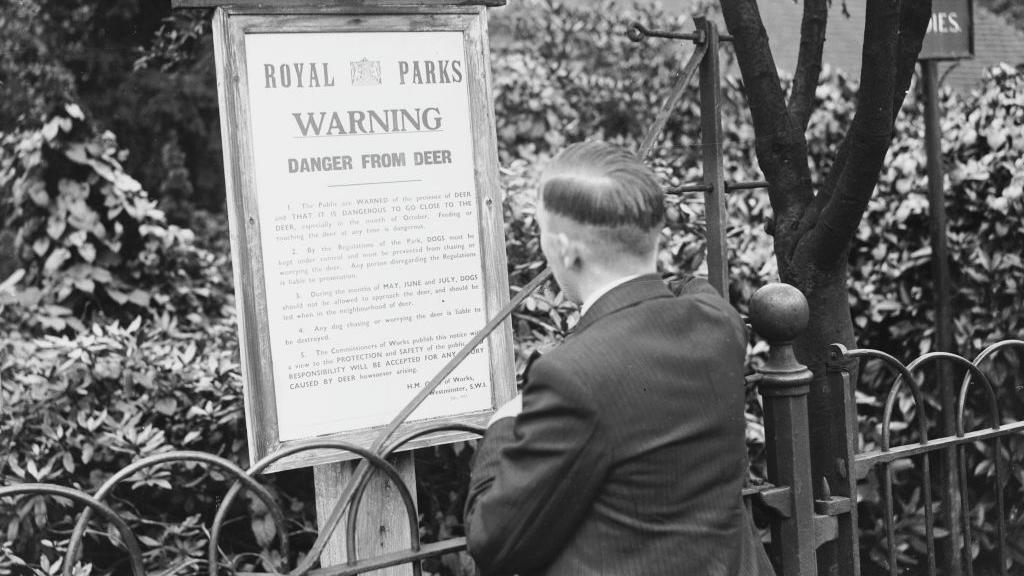 Image source, Getty Images
Visitors to Richmond and Bushy parks have been told for decades not to feed the deer
Paul Richards, park manager at Richmond Park, said the animal's behaviour was likely the direct result of having previously been fed by visitors at the park.
"It is only because people had fed this particular animal that its behaviour had changed," he told BBC Radio 4's Today programme.
The "do not feed" warning is not new. The Royal Parks has regularly told people visiting both of the south-west London parks not to feed the wild animals.
How can feeding deer put people at risk?
The deer in both parks are wild animals, and can act unpredictably around humans.
Unlike deer in other places, such as the city of Nara in Japan where deer are regularly fed by people, London's deer should not be approached or fed.
Richards said the deer in The Royal Parks had begun to associate visitors with food, which was "not their natural behaviour".
"Enjoy the deer, respect the deer, keep a safe distance from the deer," he said.
"Don't feed them, they don't need feeding. Some people think they're doing a good deed. In fact you're not, you're doing quite the opposite."
Richards said that if fed, the deer began to associate people with food and would be more likely to approach groups or individuals in the park.
This, he warned, was dangerous to visitors and put them at risk of serious injury.
Feeding deer may also increase the risk of them ingesting plastic, which blocks their stomachs and causes malnutrition.
My children want to pet the deer, why is that not allowed?
Last month, families with young children were seen trying to stroke the deer in Richmond Park.
Richards said his team were "shocked and extremely concerned" by video footage from the park, and called the actions "deeply irresponsible and highly dangerous".
The park manager explained that closing in on the animals would cause the deer stress and risked a "fatal incident".
"Richmond Park's red and fallow deer are wild, powerful animals. Although they may appear calm, they can react suddenly and aggressively if they feel threatened," he said.
"Stags can weigh more than 25 stone (159kg) and run at speeds of up to 30mph (48km/h), making them highly dangerous if visitors get too close."
Do the deer have enough food in the drought?
Red and fallow deer eat grasses, leaves and shoots of trees, as well as acorns, sweet chestnuts and horse chestnuts.
Richards said: "They don't need to be fed. A lot of people are thinking: 'It's bone dry out there, everything is brown', but the deer don't need supplementary feeding here at Richmond Park."
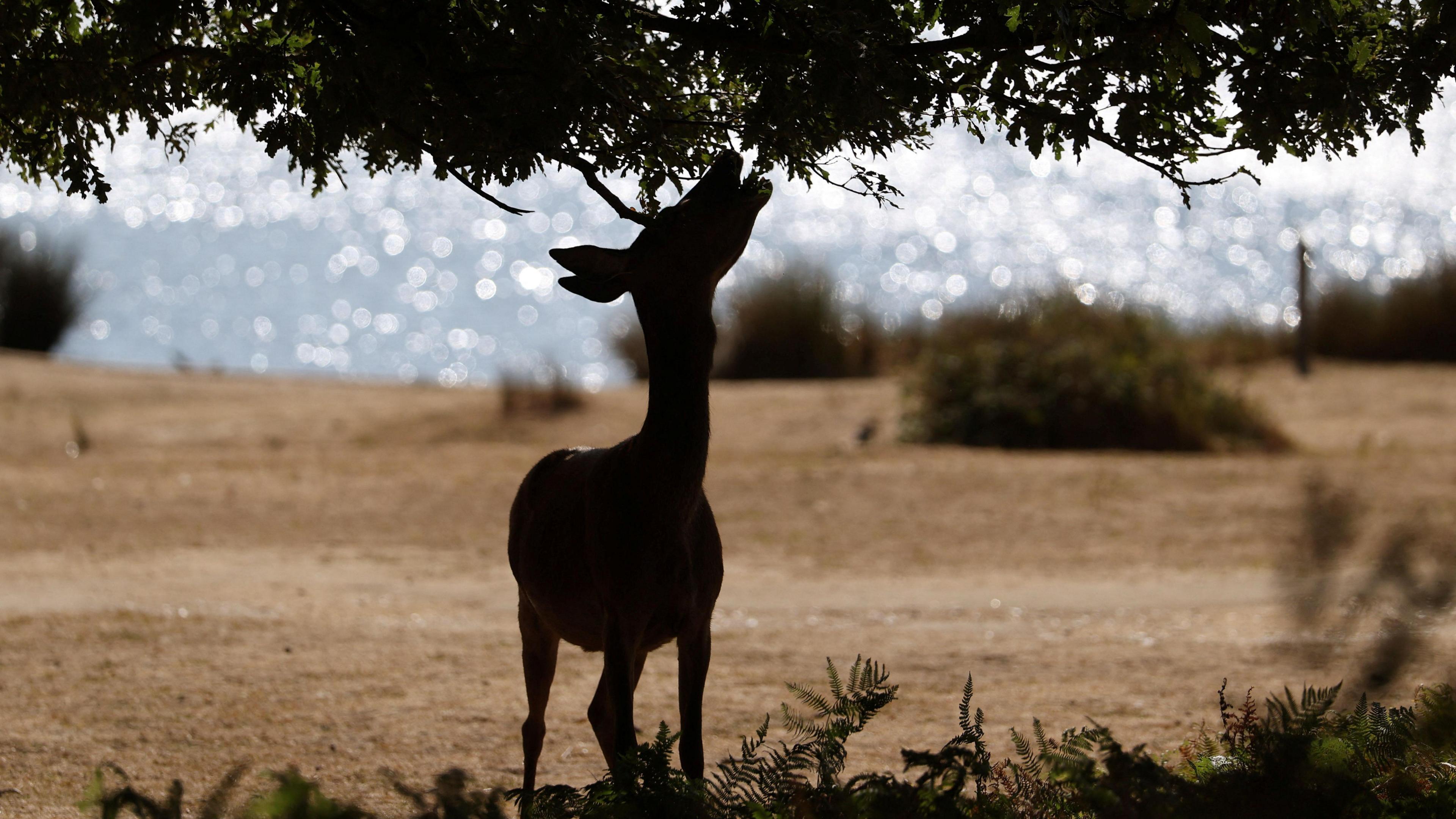 Image source, Reuters
Deer eat grasses, leaves, acorns, sweet chestnuts and horse chestnuts
"There's plenty of things for them to eat," he added. "They're grazing on bramble, we're already seeing a bit of an early autumn, and it won't be long before sweet chestnuts are beginning to fall, so there is plenty of food for them."
Visitors are urged not to remove conkers (horse chestnuts) from the park as they are a vital part of the deer's diet and help to build up their fat reserves for winter.
How can I photograph the deer?
London's deer population is much-loved and photographed, due to their apparent juxtaposition with city-life.
The current 630-strong herd of wild red and fallow deer in Richmond Park were first introduced by Charles I in 1637 and roam freely amongst the trees and grasslands.
They have been enjoyed by visitors for decades, but must be respected, Richards said.
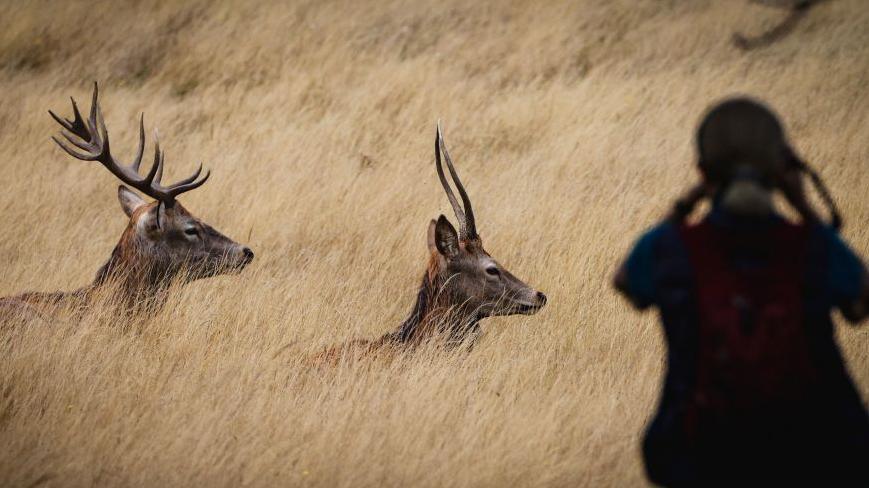 Image source, Getty Images
Visitors are told to photograph deer through a zoom lens
"The deer here are wild, they have been here for centuries," he said.
"If you want to photograph them, photograph them using the zoom function on your phone or camera."
He said visitors must keep a distance of 50m (165ft) from the animals.
What should you do if a deer approaches you in a Royal Park?
Visitors are told to never feed or touch the deer in Richmond and Bushy parks.
If one comes towards you, put all food and packaging out of sight and move away slowly and calmly, The Royal Parks says.
People should not try to move the deer away themselves.
"If you witness someone putting themselves, others or the deer at risk, please do not try and intervene but report it immediately to the police," a Royal Parks spokesperson says.
Listen to the best of BBC Radio London on Sounds and follow BBC London on Facebook, external, X, external and Instagram, external. Send your story ideas to hello.bbclondon@bbc.co.uk, external