6 months ago
63
6 months ago
63

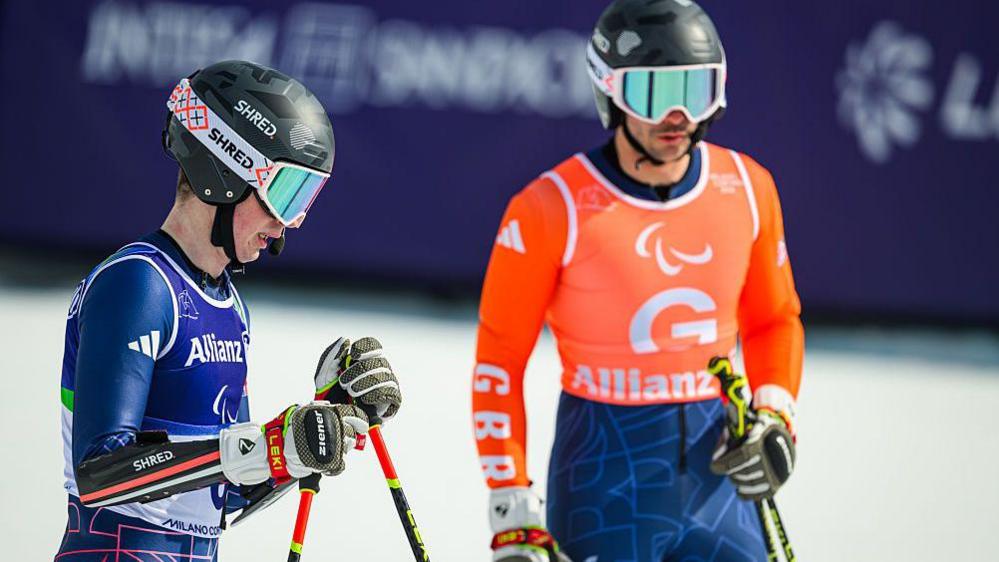 Image source, Getty Images
Neil Simpson (left) and guide Rob Poth (right) won Great Britain's only medal of the Paralympics
ByKatie Falkingham
BBC Sport Senior Journalist in Cortina
As Neil Simpson straddled a gate at the start of his slalom run on Sunday, it perhaps summed up just how tricky these Winter Paralympics have been for Great Britain.
With just one medal won - a silver for Simpson and his guide Rob Poth in the visually impaired alpine combined - it marks the team's worst finish from a Winter Games since Vancouver 2010, when they came home empty-handed.
At every edition in the interim, GB have won at least six medals, and with just over £7m ploughed into the sports on the Winter Paralympic programme over the past four years by UK Sport, questions can rightly be asked.
But the highs of previous Games were never expected to be achieved this time around.
Owing to a mix of injuries and an inexperienced squad - 17 of the 25-strong ParalympicsGB team were making their debut - UK Sport had set a medal range of between two and five, although there will inevitably be discontent that even the lower end was not met.
"I think it's impossible for us to be disappointed in any of these athletes, the journey that they've had to get here, the level of determination and resilience to make it to a Paralympic Games is truly worth celebrating," said UK Sport director of performance Dr Kate Baker.
"I think in many respects, these Games just came a little bit too soon for some of our athletes, so we can be excited for what is to come.
"We're in disciplines that we've not been in before, we are showing there is depth coming through and real potential for the future."
"Obviously we would have liked to see some other medal-winning performances," added ParalympicsGB chef de mission Phil Smith. "There is lots to be positive about the Games overall.
"We know that winter sport is full of jeopardy. If you ran this week again, we could very much have been somewhere more in the middle of that target with just a little bit more luck and things turning out slightly differently."
As medal chances came and went as the Games progressed, there was still hope that GB, most likely through Simpson and Poth, could add at least one more medal to their haul.
In the slalom race of their alpine combined success, they had recorded the fastest time of the day, which boded well for the giant slalom and slalom events later in the Games.
But such hope was extinguished when an error in the former race, followed by a straddled gate in the slalom amid heavy snowfall in Cortina, ended all chances of a higher standing on the medal table.
"It's part of ski racing and unfortunately it happened today. It's just one of those things," said Simpson, who four years ago won two medals, including GB's only gold of the Beijing Games.
"It is obviously disappointing, we'll take a bit of time to process it."
Poth added: "Straddling is part of ski racing in the best of conditions, it's part of the game and we've got to accept that.
"After that combined run, the medal, the gold, was in our grasp, but that's just the way it is."
For Menna Fitzpatrick, the Games definitely came too soon.
As the nation's most decorated Winter Paralympian with six medals from the past two editions, she would always be seen as a podium hope - but after breaking her leg and sustaining an anterior cruciate ligament injury within the past 18 months, she came into the Games not at full fitness.
There were close calls too, including two fourth-place finishes for Simpson in the downhill and super G, while the mixed doubles curling duo of Jason Kean and Jo Butterfield just missed out on the semi-finals and a place in a medal match.
There are positives to take, not least because Simpson and Fitzpatrick will carry on to the 2030 Games.
Nina Sparks became GB's first female snowboarder at a Paralympics, while English athletes took to the ice among GB curling rinks - usually an all-Scottish affair - at the Games for the first time.
There is excitement too for the future of many of the young athletes among GB's ranks, particularly Para-alpine skiers Dom Allen, 16, Hester Poole, 18, and 19-year-old Sam Cozens.
"We've had some brilliant breakout performances from the youngsters," said Smith.
"This was never about medal winning and podium performances for those guys.
"This was very much about getting that experience under their belt and being able to take that forward into the next four years with that inspiration and that drive now to be the athletes that are in the medal zone in four years' time."
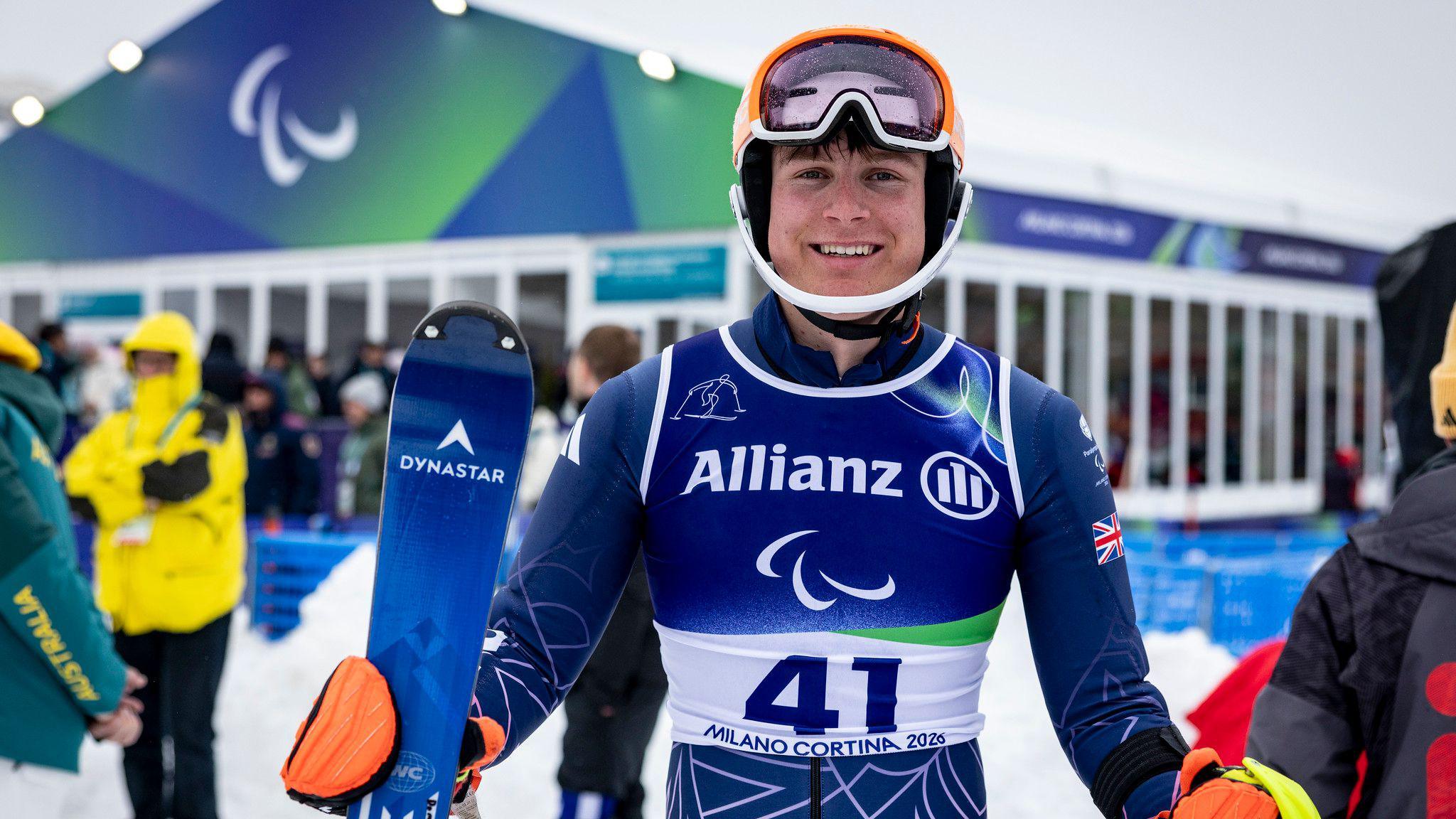 Image source, ParalympicsGB
At 16, Dom Allen was the youngest member of the ParalympicsGB squad
There will not be any kneejerk reactions to the team's lack of medals, however.
While an important metric, funding is not just based on the number of medals won, or a reward for it. UK Sport also looks at future potential, as well as the impact and resonance on the watching British public.
The body has already held discussions with the sports regarding funding for the next cycle, and sports are aware of roughly what they will receive.
"They've all come knowing how we see them, what we see is the potential in their sport and therefore how we might want to support them going forward," said Baker.
"That's important so they can come out here knowing they don't have to worry about funding while they are trying to compete.
"Of course we will go back and review and we will see if anything that has happened out here has changed their view or changed their plans, and critically what their strategy is going to be going forward to make sure we really do capitalise on the potential in the team... and achieve the medals that we know we're capable of in the French Alps in four years' time."