1 year ago
26
1 year ago
26

Such a public display of unfettered fury by an American president is extraordinary and perhaps unparalleled.
Standing on the South Lawn of the White House, a crowd of journalists had just asked Donald Trump about Israel and Iran’s violations of the ceasefire he had just proudly declared on social media.
Leaning in, a furious Trump spat out that the two nations had been fighting “for so long and so hard that they don’t know what the fuck they’re doing.”
“Do you understand that?” he raged, before storming off to his helicopter.
In the moments before, he had repeated four times in the space of a few minutes that he was displeased with Israel—the US’s closest ally in the Middle East region, if not the world.
“I’m not happy with Israel. When I say, ‘OK, now you have 12 hours’, you don’t go out in the first hour and just drop everything you have on [Iran]. So I’m not happy with them,” he told the reporters, growing visibly more agitated.
“I am really unhappy if Israel is going out this morning because of one rocket that didn’t land, that was perhaps fired by mistake - I’m not happy about that.”
The language - for a president known for his erratic behaviour - was vehement.
Barbara Leaf, who served as the US’s Assistant Secretary of State for Near Eastern Affairs until earlier this year told The Independent: “It's pretty extraordinary to have the president essentially loudly chiding the Israelis... to stand down and not go on that bombing.
“Trump is clearly very personally invested in this. But we'll see. It’s fragile—you’ve halted things right in the midst of a hot conflict.”
Trump is no stranger to public, heated altercations with leaders who by all measures should be Washington’s allies.
One of the most infamous incidents was the excruciating February press conference with Ukrainian President Volodymyr Zelensky, which descended into a shouting match between the two leaders, as the Ukrainian ambassador sat with her head in her hands.
But the use of f-word to describe the actions of such a close ally comes after months of growing tension between the US and Israel. Israeli Prime Minister Benjamin Netanyahu has launched multiple devastating regional bombing campaigns — again and again — often, it seems, against the wishes of Trump, who campaigned as a “presidential peacemaker”.
This shift is reflected more broadly in American public opinion. A Gallup study in March showed support for Israel in the US had reached a 25-year low, apparently due to the devastating war in Gaza and beyond. No matter how bloody and chilling the October 2023 Hamas attacks on southern Israel were, Netanyahu’s decision to obliterate and starve the 2-million-strong population of Gaza has taken a toll.
And so, as the dust begins to settle, one of the consequences of this extraordinary “12-day war”, as Trump has proudly called it, will be increasingly strained relations between two nations whose relationship was already at an all-time low.
It is very telling that Netanyahu’s statement following Trump’s outburst sought to downplay Israel’s post-ceasefire military actions this morning. He claimed they had targeted a single radar installation in response to Iran’s violations. This marked a stark contrast to the Israeli defence minister earlier bombastic rhetoric that he had instructed the Israeli military “to respond forcefully… with powerful strikes against regime targets in the heart of Tehran.”

Netanyahu concluded his statement by promising that Israel would refrain from additional attacks, adding - again with emphasis - that “President Trump expressed his great appreciation for Israel, which achieved all of its objectives for the war, as well as his confidence in the stability of the ceasefire.”
Even though the US ultimately joined Israel in bombing Iran, three weeks before Israel launched this extraordinarily risky conflict, US intelligence sources apparently leaked Israel’s plan to CNN.
At the time, Dennis Ross, a former special assistant to President Barack Obama and now fellow the Washington Institute, remarked that the decision to share that intelligence with a major news network was not likely to “facilitate or encourage such a strike” but do “just the opposite.”
“If Israel acts, it will want to prevent Iranians from preparing, to maximize the surprise factor and ensure they are unable to move and hide centrifuges,” he concluded.
In fact a picture has emerged of a drawn-out process in which an American president found himself torn between the diplomacy he had promoted during his election campaign and supporting military action from an ally whose actions he clearly could not fully control.
Military and diplomatic sources told Reuters that the Pentagon - perhaps unwillingly - began drawing up detailed contingency plans to assist Israel if it went ahead with its long-held ambition to strike Iran’s nuclear facilities. The conclusion the sources suggest is that while Trump did not say no to the idea, there is no indication he fully signed off on it either. Israel then bombed Iran just days before Oman was due to host the sixth round of talks between Iran and the USA.
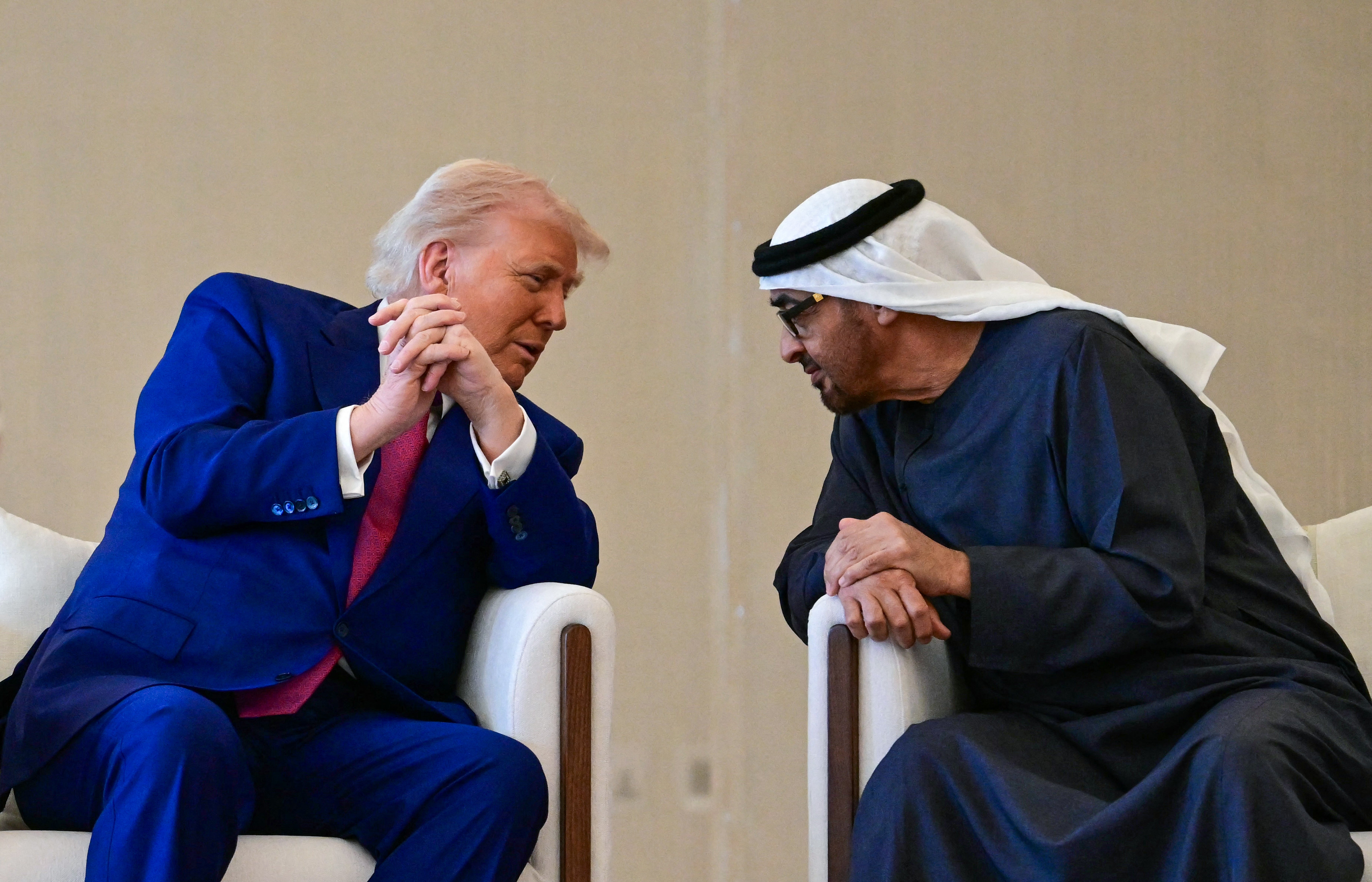
This all followed a string of prior tensions and apparent snubs.
Trump’s first major foreign trip was to the Middle East in May—yet he notably did not visit Israel. Instead, Trump, who at heart is a transactional businessman, signed trillion-dollar deals with Gulf leaders in glittering ceremonies where he boasted about receiving a free plane from Qatar.
Around the same time, his team negotiated directly with Hamas militant group over hostage releases and a potential ceasefire—apparently without consulting Israel. That is something no previous US administration has done before.
And so while right now appears to be a shaky end to a potentially terrifying war that would have engulfed us all, in Leaf’s words the conflict is “halted” but “not settled”.
And one of those unresolved problems could be Israel and the US.