
 4 months ago
52
4 months ago
52

6 minutes ago
Becky MortonPolitical reporter

 Getty Images
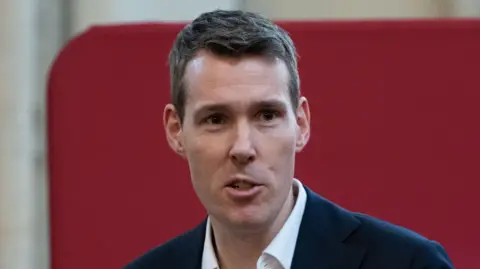
The outright and immediate abolition of the leasehold system in England and Wales would be "almost certainly impossible", the housing minister has said.
In Labour's 2024 general election manifesto, the party promised to "finally bring the feudal leasehold system to an end".
In a speech, Matthew Pennycook said this meant the government would "dismantle" the system before the next election by making it easier for leaseholders to gain control of their buildings, but that leasehold would not disappear overnight.
Critics have accused the government of dragging its feet on leasehold reform and rowing back on Labour's election promises.
However, in a speech at the Institute for Government think tank, Pennycook rejected this.
"In making that manifesto commitment to bring the leasehold system to an end, we were not promising to immediately abolish leasehold outright," he said.
"Anyone with even the most rudimentary knowledge of leasehold knows that outright and immediate abolition of circa five million English and Welsh leases is almost certainly impossible."
He questioned whether such an approach would be lawful, how it would impact the mortgage market and how millions of commonhold associations could be immediately established to manage buildings.
Taking questions after his speech, Pennycook directly criticised the Green Party, which has promised "the total abolition of leasehold".
"It's very easy to put out glib soundbites - end leasehold - we've got a serious policy programme here," he added.
Green Party leader Zack Polanski has accused Labour of being "more interested in pleasing property developers than freeing five million people from the financial burden of service charges".
Under the leasehold system, people own the right to occupy a property via a lease for a limited number of years from a freeholder.
Many leaseholders complain of spiralling service charges, which they have no control over and must pay for the management and maintenance of their building.
The government's draft leasehold bill, which is currently being scrutinised by MPs, aims to make it easier to convert to commonhold.
Under this system, people jointly own and take responsibility for their buildings without an expiring lease.
The bill would also ban the sale of new leasehold flats and cap ground rents - an annual fee leaseholders must pay to their freeholder - at £250 a year.
Pennycook said that taken together, these measures would empower leaseholders to take control of their buildings and the bills they pay, allowing them to convert to commonhold "when they judge it is the right time for them".
He added: "This is how leasehold ends - not through an abrupt and chaotic single moment of destruction...but by taking a methodical approach, firmly shutting the door on leasehold's future use, and opening easy and effective escape routes for those living under it today so that we rapidly reduce the prevalence of existing leasehold."
While he acknowledged some reforms would take longer, Pennycook said he expected a new commonhold framework to be operating "well before the end of the Parliament", which is due to run until 2029.
However, Harry Scoffin, founder of campaign group Free Leaseholders, said: "The government appears to think that desperate leaseholders who need the change Labour promised at the last election, namely an end to this feudal system, are naysayers acting in bad faith."
He said Pennycook's speech was "a wasted opportunity for the government to show urgency in freeing millions of leaseholders".
Key elements of the legislation, including a ban on evicting tenants in England without a reason, come into force on Friday.
Pennycook insisted the "nominal costs" of the legislation for landlords were "low".
He rejected the idea there had been an "exodus" of landlords from the sector ahead of the act coming into force.
"I think we are seeing, perhaps at the margins, exit of some landlords...but we haven't seen an exodus," he said.
He argued buy-to-let landlords were mostly selling up because of of tax changes introduced under the Conservatives, rather than increased regulation.
The minister added that the act would bring greater "security and stability" for tenants.



