1 month ago
47
1 month ago
47

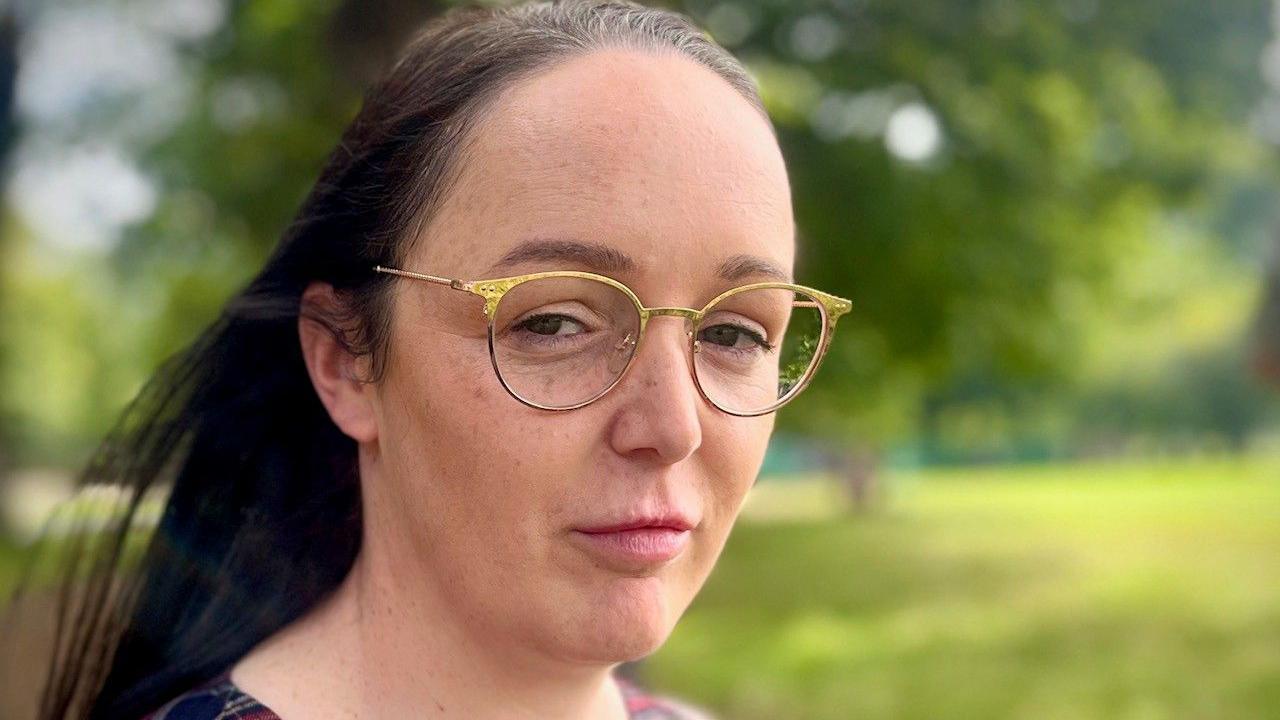
Katie Johnston was raped 10 years ago and wants victims to be listened to when it comes to the early release of prisoners
By
Scotland home affairs correspondent
A woman who was raped by a stranger has asked politicians to think of victims and abandon plans for the early release of hundreds of criminals.
Katie Johnston's attacker Alasdair McDonald was branded a "faceless, violent and predatory rapist" by the judge who jailed him for 10 years.
Under proposals from the Scottish government, long-term prisoners like McDonald would be freed automatically after completing two-thirds of their sentence.
Ministers argue urgent action is required to address record levels of overcrowding in Scotland's jails, but organisations representing victims of crime say exemptions for sex offenders and people convicted of domestic abuse should be considered.
McDonald targeted Katie in Aberdeen city centre in 2016, leaving her seriously injured and traumatised.
He is now nearing the end of his prison sentence and will be supervised for a further three years after his release.
That means the 59-year-old will be out of jail before any changes come into effect, but the prospect of automatic early release for people like him worries Katie deeply.
 Image source, Police Scotland
Police Scotland images of 36 people who have been given long-term sentences this year - all of them would benefit if the proposals are backed by parliament
She said: "Victims go through the ordeal of actually getting attacked and then you have to go through the ordeal of the legal process, the courts, reporting it to the police.
"Once the person is sentenced, I feel like the prison sentence is a time for the victim to recover and go through therapy.
"At least you know the person who has done something bad can't harm you or harm others."
Katie said the early release of such prisoners is "almost a punishment on the victim again".
"We've not done anything wrong - it's not our fault that the prisons are full," she said.
"I don't feel like the victims should be punished again just because they can't hold prisoners for their full sentence."
Justice Secretary Neil Gray said: "My heart goes out to Katie in terms of what she has been through and I don't diminish that in any way.
"This is not just about taking forward a set of proposals in order to deal with a prison population issue.
"It's also about looking at how we manage our offenders, how we manage and prevent re-offending happening so that we can prevent people becoming victims in the first place."
Scotland's prisons face the same challenges as those in England and Wales, where the Westminster government has become embroiled in controversy over plans which would result in the early release of two teenagers who killed PC Andrew Harper.
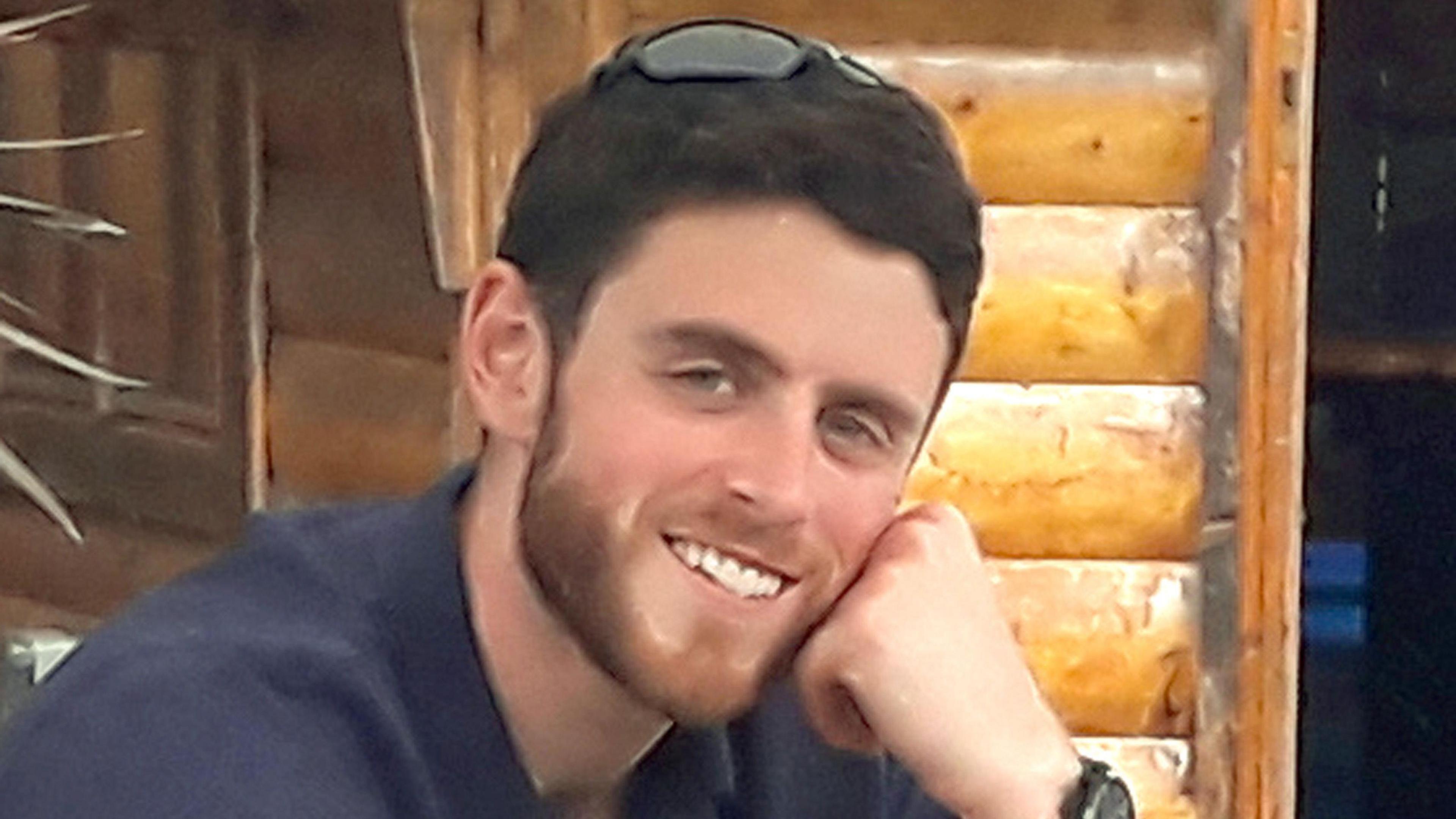 Image source, PA Media
Police officer Andrew Harper suffered fatal injuries while on duty in 2019
PC Harper, 28, died in 2019 when he was dragged behind the getaway car of three teenagers who had fled the scene of a quad bike theft in Berkshire.
Days before the Scottish Parliament closed for summer recess, the Scottish government published for consultation a raft of proposals designed to bring about a sustained reduction in the prison population
If backed by Holyrood, the most controversial changes would result in the automatic early release of long-term prisoners serving four years or more.
Up until February 2016, long-term prisoners who had been refused parole were freed automatically after two-thirds of their sentence.
The rules were changed by the SNP administration led by Nicola Sturgeon. Since then, prisoners who do not get parole have been allowed out when they have six months left to serve.
The justice secretary now wants to turn the clock back, reinstating automatic early release at two-thirds of the sentence.
Gray said the proposed change in the automatic release point would help reintegrate prisoners into society.
"This is about managing how we are releasing individuals back into the community, regardless of the heinous or horrific crime that they may have committed," he said.
"They are going to be released back into society. We're not talking about whole life orders. We're talking about determinate sentences."
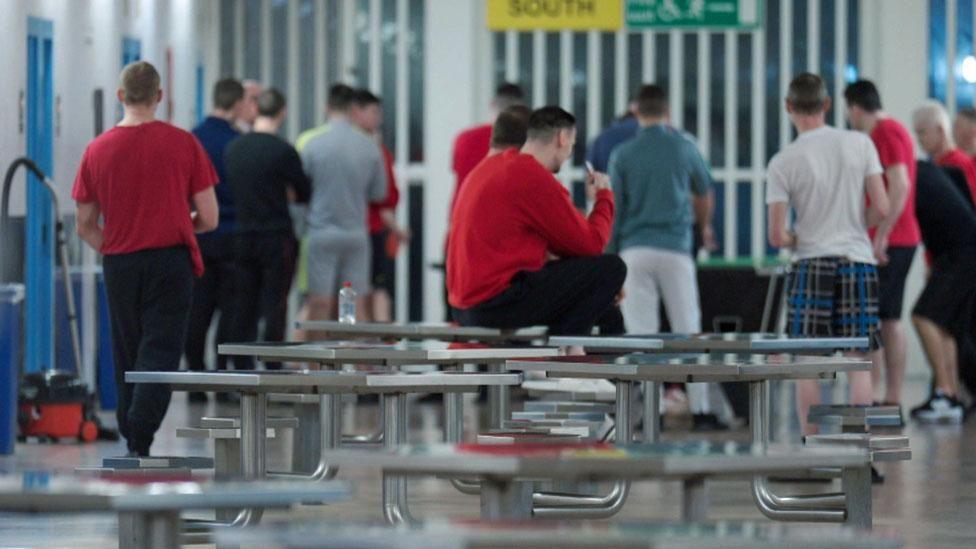 Image source, Gavin Hopkins
Scotland's prison population reached a record high earlier this year
Long-term prisoners include people convicted of offences such as culpable homicide, rape, attempted murder, child abuse, drug trafficking and involvement in serious organised crime.
The government's latest proposals go further than the last time the idea was put forward in 2024 - it was abandoned in the face of stiff opposition - and cover a wider cohort of prisoners.
Officials have estimated that at least 630 inmates would have been freed immediately if the new rules had been in place in February this year.
Prisoners serving life sentences and orders for lifelong restriction would be excluded.
Scotland's prison population hit an all-time high of 8,600 in May - 800 over capacity - despite the early release of 1,400 prisoners serving sentences of less than four years.
The main cause is a steady rise in the number of long-term prisoners and an increase in the length of sentences handed out by the courts.
This week, the population of 8,500 included 3,369 long-term prisoners, the first time they've outnumbered short-term prisoners. More than 40% had at least one conviction for a sexual offence.
The upward trend is expected to continue. It's projected that the Crown Office will send more than 2,000 cases for prosecution at the High Court this year, more than double the number two years ago.
That rise is being driven in part by investigations into historical sex abuse and changes to the laws on evidence in rape cases. Not all will result in convictions but the pressure on the justice system is unrelenting.
The government is trying to free-up space by reducing the number of short-term prisoners and strengthening community payback orders.
The plan for long-term prisoners is that they would serve no more than two-thirds of their sentence in prison and the rest outside, under the supervision of social workers.
Convicted murderers and prisoners on orders for lifelong restriction would be excluded from the changes.
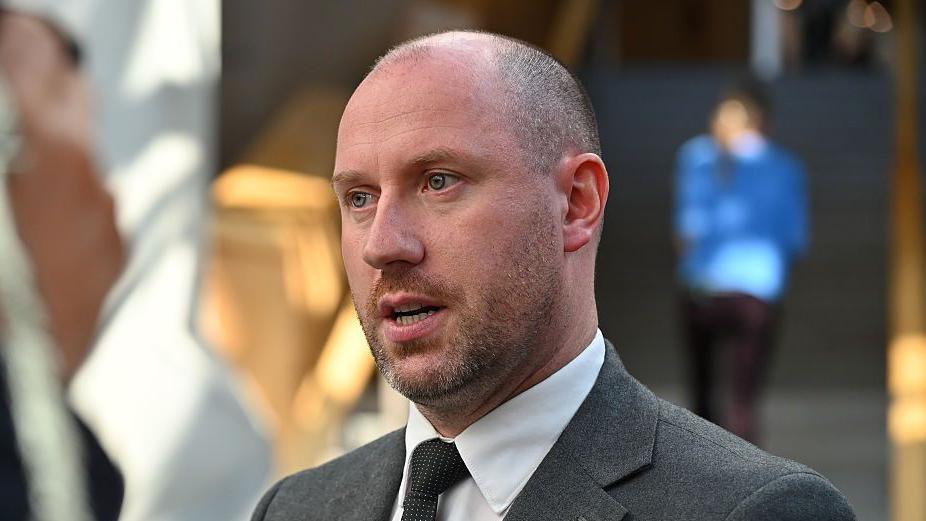 Image source, Getty Images
Justice Secretary Neil Gray wants to reinstate automatic early release at two-thirds of the prisoner's sentence
Organisations representing victims of crime are concerned that the sex offenders and domestic abusers won't be excluded from the proposed changes.
Victim Support Scotland's interim chief executive Debbie Adams said: "This might be too much of a blunt object. Are there crimes where there should be exemptions, or where further assessments need to be made, for example for targeted crimes like domestic abuse?"
The chief executive of Scottish Women's Aid Marsha Scott said: "Unless we're going to greatly improve our risk-assessment process and the safety measures that are in place in the community when we release them, they should be automatically exempted."
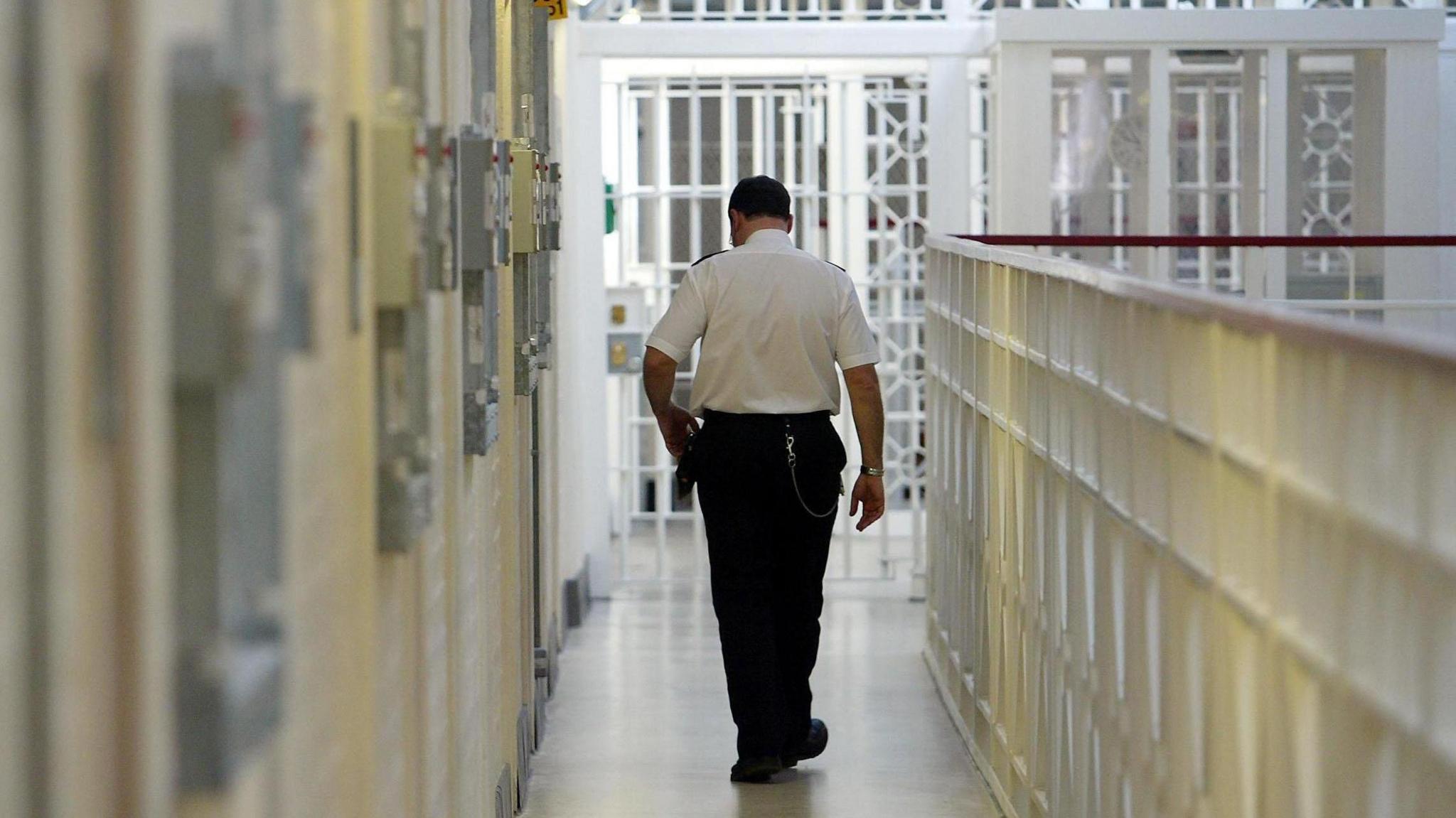 Image source, PA Media
The Scottish Prison Service says the current prison population is unsustainable
Social Work Scotland, the profession's leadership body, is broadly supportive of the government's proposals, if extra resources are put in place.
Its justice policy spokesman Euan Lloyd said: "It wouldn't be possible to do it safely unless we get the adequate resources to do the job.
"Having said that, justice social workers are highly skilled, highly experienced in managing complex, high-risk individuals in the community and as long as we're resourced to do that, I've got no doubt the profession will be able to do so."
The Scottish Prison Service says the current prison population is unsustainable, poses a significant risk to prisoners and staff and limits efforts to deliver rehabilitation.
A spokesman said: "We welcome the Scottish government's consultation and the wider discussion it has prompted about what is needed to create a safe and sustainable prison population.
"This is essential to ensure we can fully support those in our care, reduce the risk of reoffending, and help build the safer communities we all want to see."
The government's consultation on the proposals closes on 20 August. It can be accessed here., external