1 hour ago
3
1 hour ago
3


The house was commissioned in the 1920s by Daniel C. Jackling, a self-made copper millionaire whose business transformed the American copper industry.
For a house that once embodied California wealth and architectural ambition, the end came not with a grand renovation but with bulldozers. The Jackling House, a sprawling Spanish Colonial Revival mansion in the wealthy Silicon Valley town of Woodside, became the center of a years-long fight between Steve Jobs and preservationists.
According to an online report by Fortune and Architectural Record, Jobs wanted it gone and hoped to replace it with a smaller, more modern home. Preservationists saw something very different: a rare piece of California architectural history worth saving. In the end, Jobs got his way. The 17,250-square-foot mansion was demolished in 2011, although many of its historic fixtures were salvaged before the building disappeared.
A grand home with an unusual past
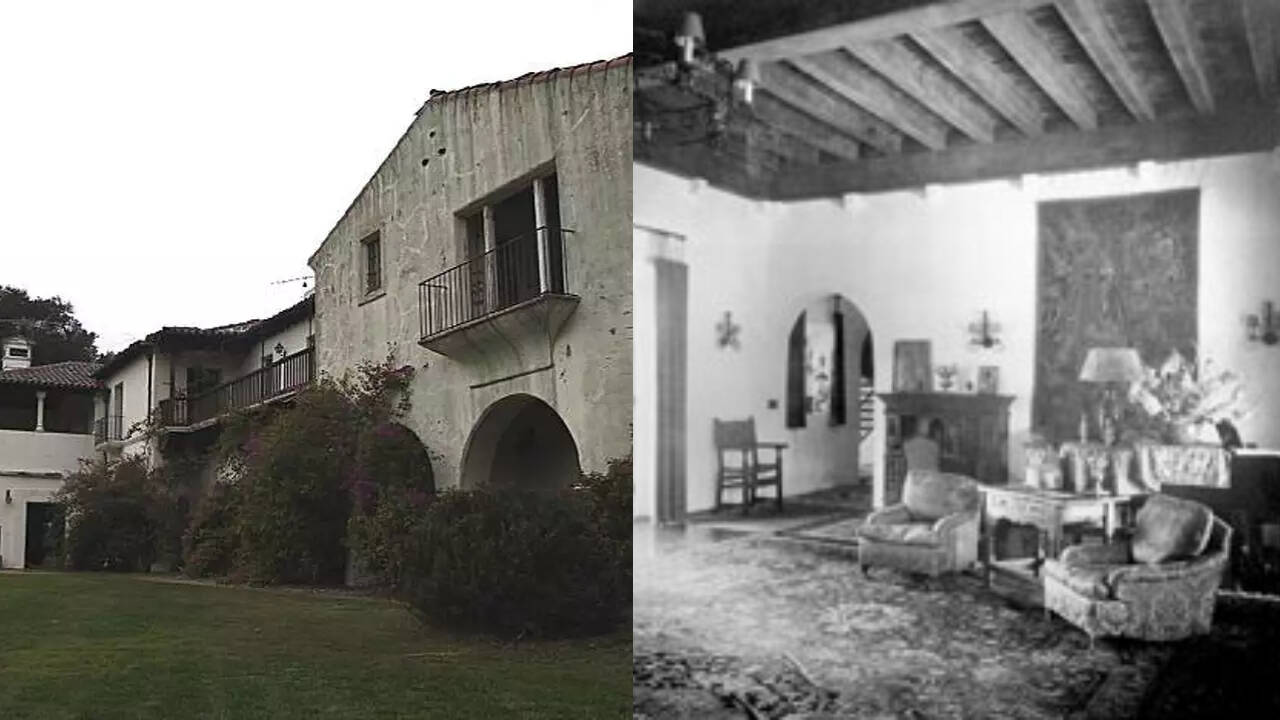
The house was commissioned in the 1920s by Daniel C. Jackling, a self-made copper millionaire whose business transformed the American copper industry. Architect George Washington Smith designed the residence, drawing on Spanish and Andalusian influences to create a massive white-stucco estate with the character of an old European village, states the online report.Built in 1926, the mansion featured 30 rooms, including 14 bedrooms, and occupied six acres.
Its construction incorporated a distinctive double-wall system designed to provide insulation while giving the structure the heavy appearance of traditional adobe buildings.Inside, the house was equally elaborate. Thousands of handmade Tunisian and Spanish tiles covered parts of the interior, while dark timber beams, wide-plank white oak floors, custom copper hardware and ornate chandeliers added to its old-world character and according to a report by the Fortune, an aeolian pipe organ was among its most unusual features.
Jobs takes on the mansion
Because the mansion was more than 50 years old, its proposed demolition came under review through California's environmental and historic preservation laws.
According to Architectural Record, Jobs purchased the property in 1984, when he was 29 and Apple was preparing to launch the Macintosh. He reportedly paid about $2 million for the estate and lived there for roughly a decade before eventually moving to Palo Alto. Despite its architectural pedigree, Jobs disliked the sprawling mansion and considered it impractical for his lifestyle. He eventually envisioned replacing it with a much smaller residence designed around his own preferences and the needs of his family.
A battle over preservation
Because the mansion was more than 50 years old, its proposed demolition came under review through California's environmental and historic preservation laws. A subsequent assessment determined that the property was eligible for the California Register of Historical Resources. Preservationists organized against the demolition, arguing that Smith's work represented an important chapter in American architecture.
The dispute moved through the courts, reaching the California Supreme Court after an earlier demolition attempt was challenged, adds the online report.Jobs also offered an alternative, where anyone willing to relocate the enormous house could potentially take it. Several preservation-minded parties explored the possibility, but the relocation plans never came together. As the legal battle continued, the empty property deteriorated.
The house sat largely unused, exposed to the elements and increasingly difficult to restore.
The mansion comes down
By 2008, Jobs had revised his plans and again sought permission to demolish the structure. The proposal compared the cost and difficulty of restoring the deteriorated mansion with building a significantly smaller replacement home and this time, the legal challenge failed. The demolition permit was eventually issued, and in 2011 the Jackling House was reduced to rubble, ending one of Silicon Valley's most unusual preservation disputes.Yet the story did not end entirely with the wrecking equipment. Many of the home's historic fittings were removed and preserved, including Victorian-era marble sinks, handmade tiles and other architectural elements. The famous pipe organ was also salvaged. The mansion itself was gone, but pieces of its history survived, scattered remnants of a grand California estate that had spent years caught between preservation and the desire to build something new.Images Courtesy: Facebook, Architectural Records, and SFGATE