1 hour ago
2
1 hour ago
2

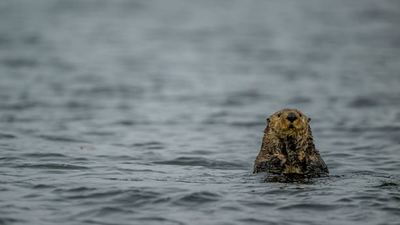
The reintroduction and success of sea otters in British Columbia was a story that initially satisfied everyone including conservationists and the natives. The adorable creatures once occupied much of Canada's Pacific coast, before the fur trade for their exceptionally dense coats turned into a mass death sentence.
But now, their population is threatening the availability of a local dish that most around the coast love, according to a report by AS.Hunting of sea otters led to their disappearance from British Columbia by 1929. Years later, between 1969 and 1972, 89 otters were flown south from Alaska and released into Checleset Bay, off Vancouver Island. While the newcomers struggled to settle down initially, their population dropped to around 70 by 1977.
After that, however, the recovery gathered remarkable speed. According to a 2022 report by the Government of Canada, the population of sea otters went up from just 3,185 in 2004 to 8,110 in 2017.
Not just in numbers, they also spread along the coast.
A flourishing ecosystem
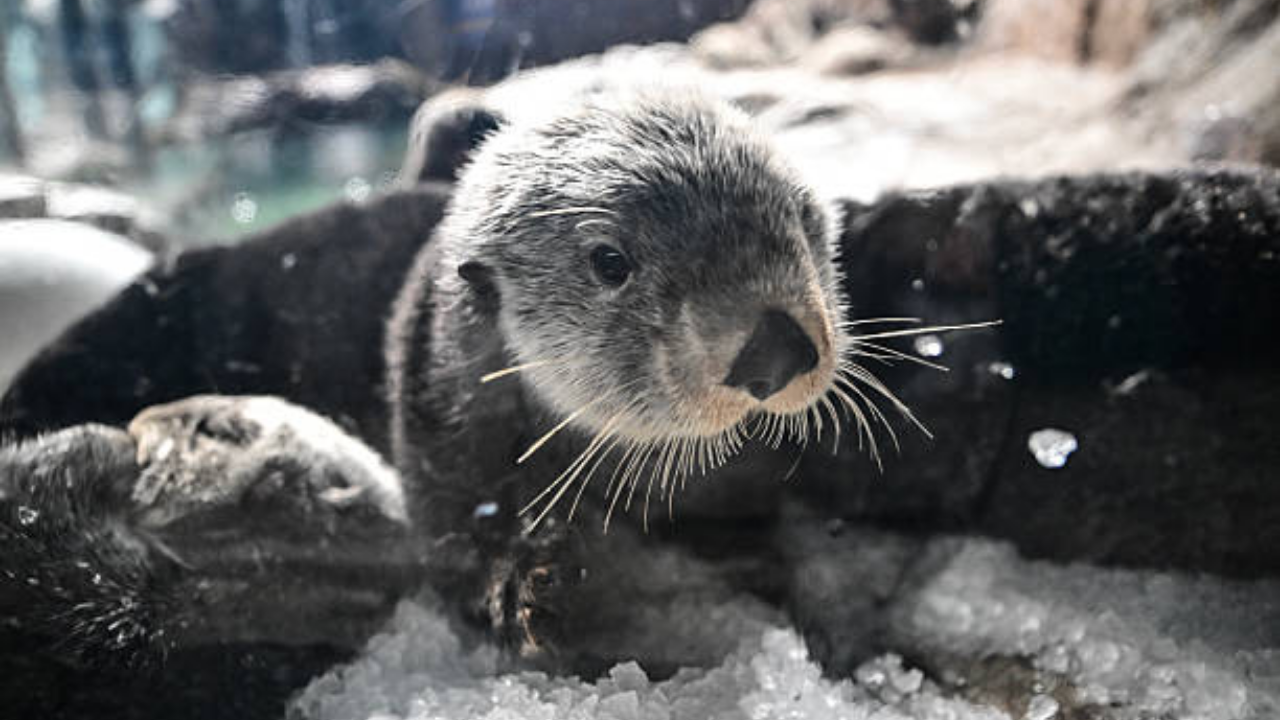
Otters keep the sea urchin population in check with their diet, allowing kelp habitats and the marine life underwater to recover.
The return of sea otters was more than just the return of a species. These mammals are known for their ferocious appetites, consuming roughly a fifth of their body weight daily.
Sea urchins are among their preferred meals, which in turn helps the population of kelp. Without enough predators, the urchins can graze the entire underwater forests into lifeless 'urchin barrens'. Otters keep them in check with their diet, allowing kelp habitats and the marine life underwater to recover.However, their diets are not just limited to urchins. They also eat crabs, clams and northern abalone, a marine snail considered a delicacy and an important traditional food for coastal First Nations.
This is where one conservation triumph turns into an ecological concern.
An endangered species on the menu
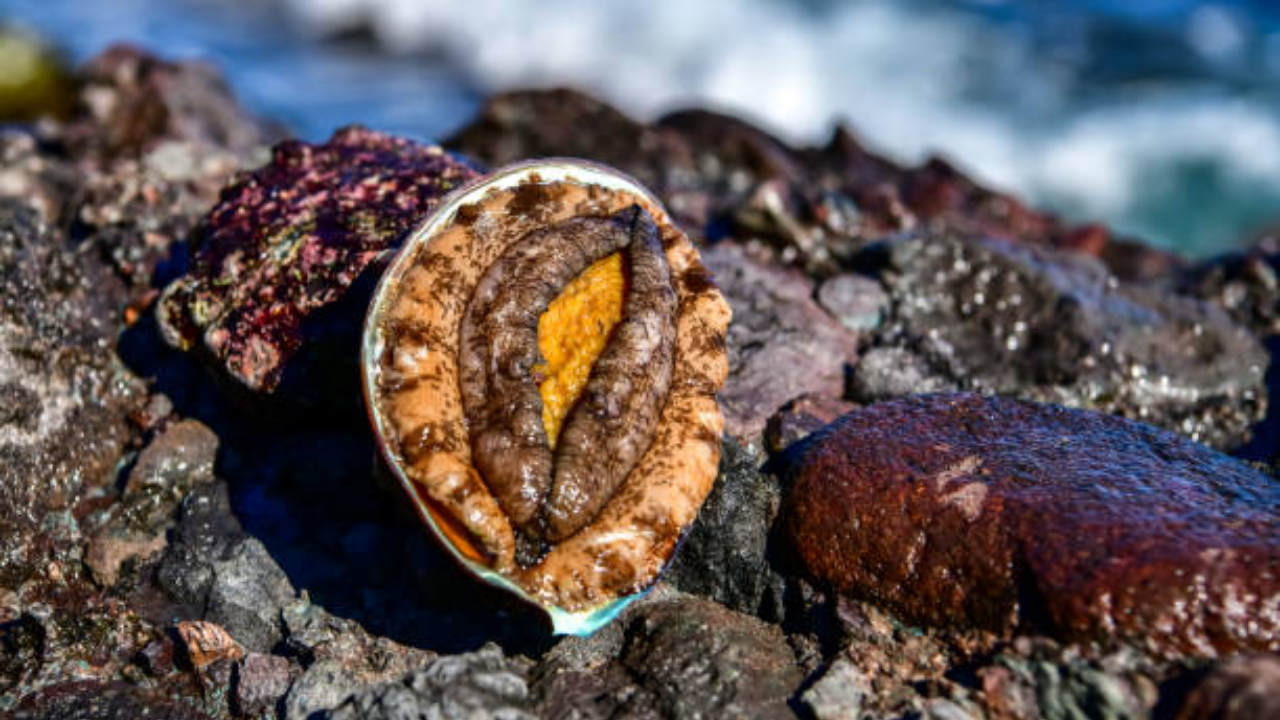
The species is classified as Endangered under the Canadian Species at Risk Act (SARA) because the population has remained severely depleted following a population collapse of more than 75%.
Northern abalone have been protected from all harvesting in British Columbia since 1990. Still, their recovery remains extremely slow. Illegal fishing and poor reproduction are considered their biggest problems, and sea otter predation just adds to the pressure. The species is classified as Endangered under the Canadian Species at Risk Act (SARA) because the population has remained severely depleted following a population collapse of more than 75%.One study found 16 times fewer exposed abalone in locations occupied by otters for more than 30 years than in areas the predators had not yet recolonised. Hidden abalone remained more abundant, suggesting the species may survive alongside otters, although at lower densities.Now, the real challenge is deciding how restored nature should live. Saving otters was one plan of action, helping northern abalone coexist with them is another.