2 hours ago
4
2 hours ago
4

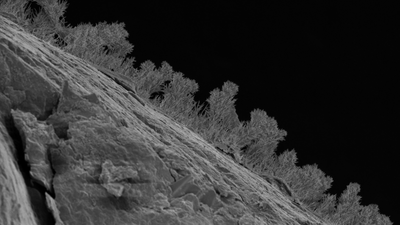
A research team led by University of Michigan isolated and grew more than 200 kinds of fungi from the deep subsurface (Credit: Quinn Moon University of Michigan)
Scientists drilling 1,640 feet beneath Michigan have discovered 689 kinds of fungi living in water that last touched the surface 11,000 years ago.The University of Michigan study shows that deep underground rocks and water are full of living creatures.
Researchers found busy communities of fungi, tiny worms, and tardigrades, which are often called water bears.
The water carrying them fell as rain or melted ice at the end of the last Ice Age, then slowly sank into the ground.The findings were published in The ISME Journal in a study titled "Deep subsurface organic-rich shale supports abundant, diverse, and novel fungi" (2026). The research was led by University of Michigan doctoral candidate Quinn Moon and senior author Tim James.
Out of the 689 fungal species identified, 13 have never been seen before.
Busy life in total darkness
To find these tiny living things, the team collected water from gas wells drilled deep into the Antrim Shale. This black, carbon-rich rock layer lies under much of the Great Lakes region at depths between 650 and 1,640 feet (200 to 500 metres).Using genetic tests and microscopes, scientists discovered that a single drop of this underground water holds about 250 fungal cells.
That is just as many cells as you would find in a drop of ocean water. In an Olympic-sized swimming pool, that would equal more than 12 trillion cells."Our study challenges the idea that it's inhospitable for more complex life like fungi in the deep subsurface, and under favorable conditions, eukaryotes can be quite abundant," Moon said. "We propose in the paper that we may be meaningfully underestimating the biomass and diversity of fungi on the planet because we've never incorporated the subsurface into estimates of global fungal biodiversity."
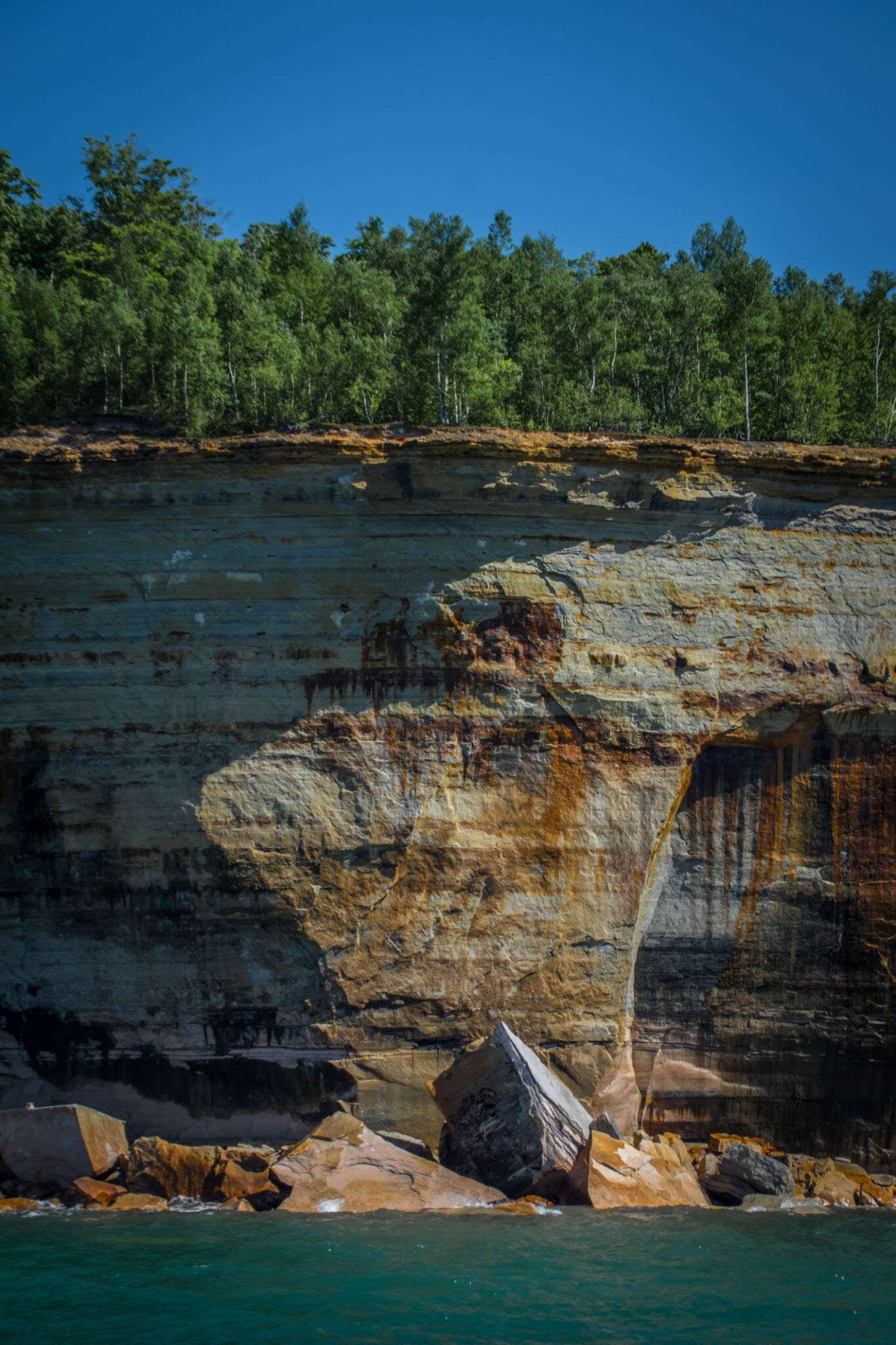
Rock layers like the Antrim Shale hold ancient water and food deep underground.. Source: TMRoberts / Getty Images
How the underground web survives
By testing the atoms inside the water samples, researchers proved the liquid came from melting glaciers 11,000 years ago. As the ice melted, the water trickled down through small cracks in the rock, carrying surface fungi and bacteria along with it.Once locked inside the dark shale, these tiny organisms started eating the ancient organic matter stuck in the stone. Tests on carbon dioxide and methane in the samples confirmed that the rock itself serves as the main food source for the whole group.The team also spotted tardigrades and small worms living alongside the fungi. Together, they form a complete underground food web, where some creatures hunt others and some live as parasites."For a long time, there wasn't evidence that eukaryotes can be abundant in the deep subsurface. People have found traces of them using environmental DNA, but they've been chalked up to being transient or dormant," said Moon, who works in James' lab.Researchers believe similar underground living worlds exist around the globe, especially inside deep oil and gas rock layers.
Changing how we count carbon
This discovery could change how scientists track carbon underground. Experts usually assume carbon locked inside deep rocks stays trapped forever. But if fungi and bacteria are actively eating that rock and turning it into gas, underground carbon is moving around much more than previously thought."Regardless of whether these fungi originated in or were introduced to these deep spaces, many fungi possess adaptations that allow them to grow and influence the carbon dynamics deep in the Earth," said James, curator of fungi at the U-M Herbarium and professor of ecology and evolutionary biology. "Fungi need to be incorporated into models of carbon cycling and sequestration in the subsurface."The team gathered and grew more than 200 living fungal types from the wells to study how they survive such harsh conditions.This group of living samples is now kept at the University of Michigan Herbarium, making it the first public collection of deep underground fungi in the world."The discovery opens a window into a world that is dark, ancient and almost entirely hidden—but is far from lifeless," Moon said.
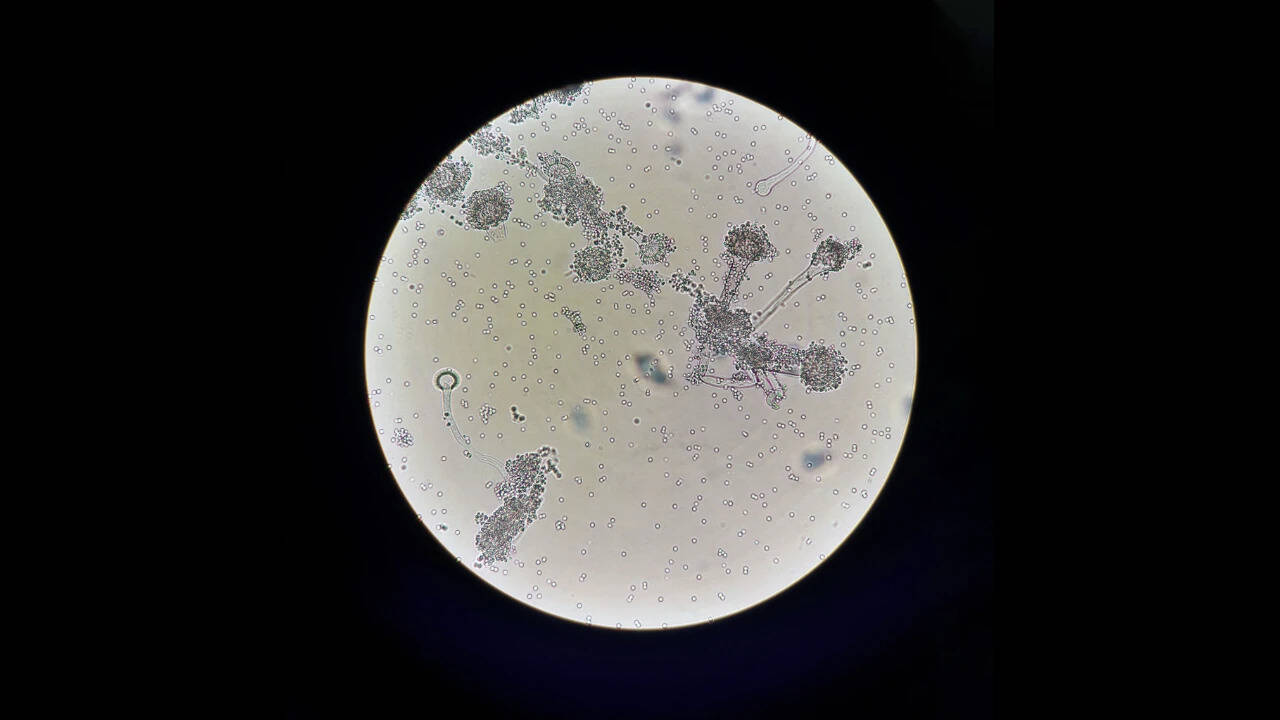
Microscopes showed hundreds of fungal species thriving deep beneath the surface.. Source: Stepan Khadzhi / Getty Images
Industrial waste and clean energy potential
This deep fungal world does more than just rewrite biology textbooks; it changes how scientists view energy production and environmental cleanup.
The Antrim Shale has long been known as a major source of natural gas in the United States. For years, experts believed that simple single-celled organisms like bacteria and archaea were the only living things breaking down ancient plant material into underground gas.The discovery of massive fungal communities in the same space suggests that fungi play a direct role in breaking down tough, stony materials. Groups of fungi found in these samples, such as Agaricomycetes, are known aboveground for breaking down dense materials like wood and coal.
Underground, they likely act as the first stage of a biological assembly line, tearing apart hard fossil materials so that gas-producing microbes can finish the job.Because these fungi can feed on tough carbon sources in dark, oxygen-free places, researchers at the University of Michigan are now testing their ability to break down hard-to-recycle industrial waste.Studying these ancient organisms could lead to new tools for eating up plastic pollution, cleaning up oil spills, and managing toxic waste deep underground.