1 hour ago
5
1 hour ago
5

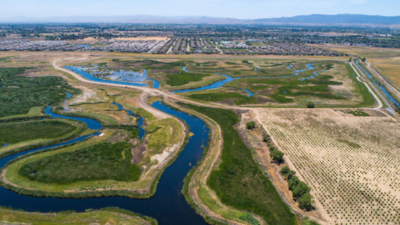
California’s efforts to restore wetlands in the Sacramento–San Joaquin Delta are showing measurable benefits for marsh-dwelling birds, with a newly published study documenting a dramatic rise in Marsh Wren numbers after tidal flows were reintroduced to former agricultural land.
According to the journal Restoration Ecology on June 8, 2026, the research by Jason Riggio and colleagues tracked bird populations from 2020 to 2025 at restoration sites managed by the California Department of Water Resources (DWR). The findings build on the state agency’s Dutch Slough Tidal Marsh Restoration Project, which converted former grazing and dairy land into freshwater wetland habitat. The study found that Marsh Wren density at Dutch Slough rose from 0.15 birds per hectare in 2020 to 18.47 in 2025, an increase of more than 12,000%.
Other marsh-associated species, including Song Sparrows and Common Yellowthroats, also recorded substantial gains as vegetation developed and the restored landscape became more suitable for wetland wildlife.
How wetland restoration changed the landscape
The Dutch Slough project is located near Oakley, at the western edge of California’s Sacramento–San Joaquin Delta. According to the DWR, the site covers 1,187 acres of former grazing and dairy land acquired as part of broader efforts to protect water quality and restore habitat in the Delta.
The first phase of restoration involved reshaping the land to suitable tidal elevations, planting native vegetation and opening sections of the site to natural tidal exchange. The agency reported in November 2021 that more than half of the property had been restored, with the completed phase allowing daily tides to flow through the wetland.The work included planting more than 40,000 trees, shrubs, flowering plants and grasses, alongside approximately 25,000 tule plugs.
These plants helped establish the vegetation needed to support a range of wetland species. The project was designed to deliver several benefits beyond wildlife habitat, including helping reverse land subsidence, improving environmental conditions and providing a buffer against flooding.
It also serves as a living laboratory for scientists studying how restored freshwater tidal wetlands develop over time.
Marsh birds responded within a few years
The research team analysed 1,258 bird surveys conducted between 2020 and 2025 across 26 sites at Dutch Slough, Sherman Island and Twitchell Island. The sites included restored tidal wetlands, managed freshwater marshes and unrestored pastureland, allowing researchers to compare bird communities under different habitat conditions.The results showed that several marsh-dependent species colonised the restored wetland quickly.
Marsh Wren numbers rose sharply, while Song Sparrow density increased from 5.09 to 16.37 birds per hectare and Common Yellowthroat density climbed from 0.77 to 5.08 per hectare between 2020 and 2025.American Bitterns, which were not detected in the restored tidal marsh in 2020, reached an estimated density of 0.86 birds per hectare by 2025. Pied-billed Grebe density also increased, from 0.10 to 0.47 birds per hectare.
These changes suggest that tidal reconnection and the development of emergent vegetation created suitable nesting and feeding conditions for species associated with freshwater marshes. Within one to four years, several marsh specialists reached densities comparable to or higher than those in established managed wetlands.
Restoration also changed which birds thrived
Not every species benefited equally. As vegetation spread across the restored marsh, birds that favour open water and exposed ground became less common.
Black-necked Stilt density fell from 2.47 birds per hectare in 2020 to none detected in 2025, while Killdeer numbers dropped from 1.55 to 0.10 per hectare. Mallard density also declined by 83%.The pattern reflects a natural shift in habitat as wetlands mature. Open-water areas and exposed mud can attract waterfowl and shorebirds during the early stages of restoration, while growing stands of marsh vegetation create more suitable conditions for species that nest and forage among dense plants.The research also found that restored tidal marsh supported a greater variety of waterbird species than managed marshes or pastureland. By 2025, tidal marsh sites averaged seven waterbird species, compared with 3.8 in managed marshes and 1.8 in pastureland. However, overall bird species richness remained relatively stable throughout the study period. The findings suggest that restoration changed the composition of bird communities rather than simply increasing the total number of species present.
Why the findings matter for future restoration
The Dutch Slough project demonstrates how restoring natural water movement can help re-establish wildlife habitat in a heavily modified landscape. The Sacramento–San Joaquin Delta has undergone extensive changes through agricultural development, land drainage and the construction of levees, leaving much of its original wetland ecosystem altered.According to the researchers, continued monitoring will be important to establish whether the early gains persist as vegetation matures. Maintaining different habitat types across the wider landscape could also help support species with contrasting needs, including birds that depend on open water and exposed ground. The study, published in Restoration Ecology, adds evidence that large-scale wetland restoration can produce measurable ecological benefits within a relatively short period.
At Dutch Slough, the sharp rise in Marsh Wren density offers one of the clearest examples of how wildlife can respond when a landscape is reconnected to its natural tidal processes.