2 hours ago
1
2 hours ago
1

18 minutes ago
Naomi Clarkeand Eleanor Shearwood,BBC Newsbeat

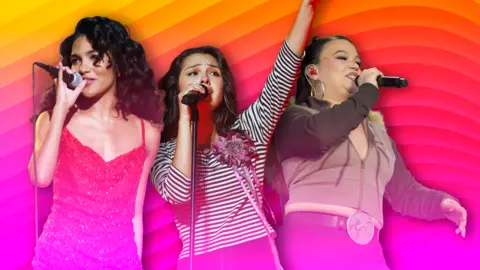 Getty Images
Olivia Dean, Olivia Rodrigo and Lola Young have found success with their relatable lyrics
Raw emotion, confessional lyrics and sharing everything in videos online.
In 2026, fans want their pop stars honest, raw and real.
And as Olivia Rodrigo, arguably the queen of the new, unfiltered breed of female singers, looks set to storm the charts with her latest album which, in her own words, chronicles a "love story that falls apart".
Lola Young and Olivia Dean are also among the singers whose perceived authenticity has won them millions of fans and multiple prestigious awards.
It seems to be the end result of a shift where the music industry has gone from a world run by record labels and managers to one where artists appear to control the narrative.
But there's clearly a demand for the confessional style.
BBC Newsbeat's been speaking to artists and those who work behind-the-scenes on helping them to build their images about the opportunities it creates and the demands and challenges it presents.
British singer Alessi Rose, a BBC Radio 1 Sound of 2026 nominee, says pop music did not use to be seen as a place to process serious thoughts and emotions.
"Whereas now there are so many pop stars that speak about things that are so personal and so intricate and niche.
"It's so great that so many people relate to it," she tells Newsbeat.
The 23-year-old's poetic observations on heartbreak and self-doubt have led to her being dubbed by some as "Derbyshire's Olivia Rodrigo".
Rose's latest single, Skin, explores "feeling not quite myself and cycling through all these thoughts that the average teenager to 20-something is constantly going through".
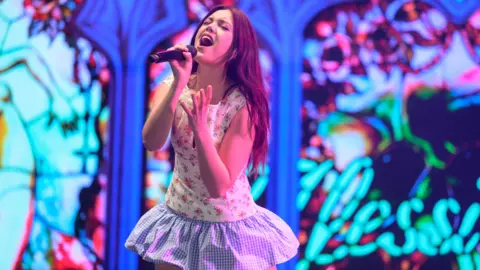 Getty Images
Alessi Rose has been dubbed by some as "Derbyshire's Olivia Rodrigo"
Record label owner and artist coach Stevie Red McMinn feels fans want "more transparency" from artists and for "something to feel real and raw".
For a long time, he says, the music industry felt "curated and almost to a certain degree manufactured".
McMinn says even 10 years ago record labels were able to control the narrative more and decide how an artist would be presented to the world.
"It was sort of very gatekeepery as the only way that you could get your music or anything in front of fans was by going through specific channels, which were record labels and the media," he tells Newsbeat.
"Whereas with social media, you don't have to sign to a record label, you don't have to do press interviews, you can basically just speak to your fans."
Singer Rose says her honest outpourings aren't just limited to her songwriting, and she is "someone who's very myself online".
It can bring "excessive levels of both positivity, but also criticism," she says.
"But to be polarising is to be talked about and to be cared about, and I think I'd always rather that than be constantly treading on eggshells and trying to dictate how people perceive you."
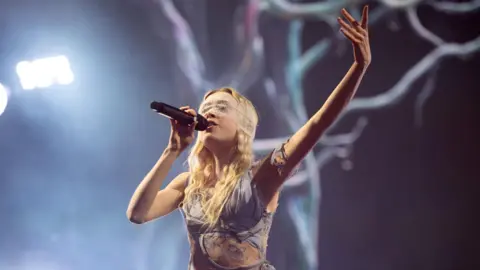 Getty Images
Erin Le Count says she doesn't worry about trying to appear authentic on her social media
Singer-songwriter Erin Le Count has capitalised on this shift by building a young, devoted fanbase through her alt-pop sound and selfie-style videos filmed in her bedroom.
When it comes to what posts she's putting out, the 23-year-old says she never worries about appearing authentic but focuses on being "creative" and "joyful".
"Everything on social media is really just me having a giggle, which is the truth of it. And that's all it should ever be, I think," she tells Newsbeat.
And while Le Count says she's not overthinking her content too much, McMinn observes she has still been able to curate a brand and an aesthetic by dressing her bedroom to reflect her gothic-pop style.
McMinn still thinks it feels "more human, more real" and "fans really, really resonate with it".
'Allowed to keep things to yourself'
Deeply personal lyrics, hours of video and hundreds of social media posts can feel like a gift for devoted fans who want to pick through every morsel their favourite singer throws their way.
But some would argue it creates a parasocial dynamic where people feel like they have a relationship with a famous person they do not know.
London-born singer-songwriter Rachel Chinouriri says she feels it's important to show your authentic self, but also champions having boundaries.
"I feel like we live in a time where everyone feels like they're obligated to post everything about themselves, but actually you're allowed to keep things about yourself to yourself and you owe yourself that," she says.
"So be authentic, but you don't have to put everything online as well."
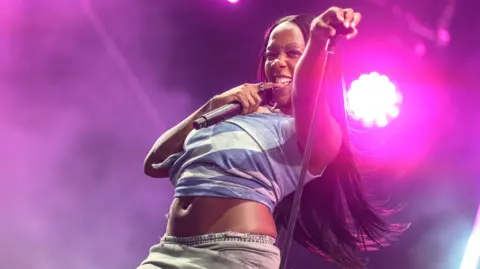 Getty Images
Rachel Chinouriri advocates for setting up personal boundaries as an artist
This desire for authenticity also comes as artificial intelligence has become more prevalent within online content and music.
McMinn believes fans have become "more sophisticated" and "knowledgeable" about the inner workings of the music industry as people are being more open about it.
"I just do think that the more unapologetic you are able to be, and the more honest you're able to be, I think it resonates," he says.
"If I'm ever working with an artist, I'm like: 'Only be authentic and vulnerable if that's what feels real to you'.
"Because at the end of the day, I don't think it's going to do you any favours to be performative anyway."