57 minutes ago
2
57 minutes ago
2

Losing a leg was probably the best day of my life
ByClare Hutchinson and Nia Cerys GwynnBBC Wales
A man who lost his leg after being hit by a car as a 10-year-old has said he wants to thank the driver for changing his life "for the better".
Mark Williams went on to become a world champion swimmer and won a silver medal at the 1988 Seoul Paralympics before setting up his own company.
He said the unknown driver of the car that hit him as he cycled home in June 1982 might now be in his 80s and could be "traumatised" by what happened, but wanted him to know that "amazing things" had happened to him as a result.
"My biggest fear is that he doesn't know my story. I just want him to send me a message, just get in contact," he said.
Mark was 10 years old and cycling home from school on the day Prince William was born on 21 June 1982, when the crash happened.
"I had just passed my cycling proficiency. I got top marks - I was the safest rider," he said.
"I had the certificate in my rucksack and I was riding home to show it to my mum and dad."
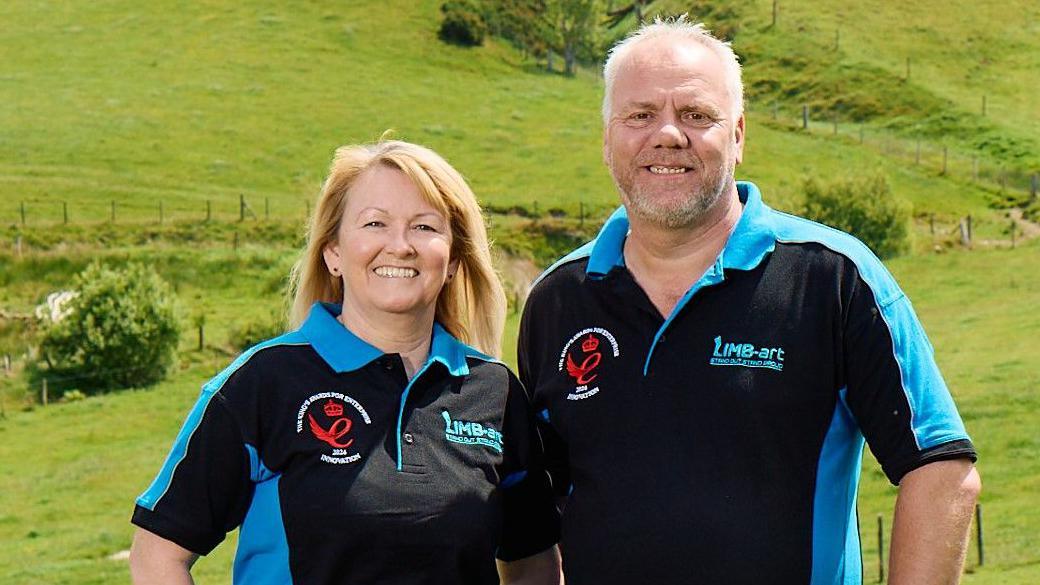 Image source, Department of Business and Trade
Paralympian Mark Williams went on to set up a company designing covers for prosthetic legs with his wife Rachael
He cannot remember the crash at a busy junction in Rhyl, Denbighshire, but knows a friend from school cycled to his parents' house to tell them.
His dad, a caravan repairman, and his older brother ran half a mile and arrived just as Mark was being loaded into an ambulance.
He was taken to hospital where a surgeon told his parents Prince Charles and Princess Diana had just had baby boy - before breaking the news that Mark had gangrene in his leg.
His parents were told that if his leg was not amputated, he would "die in the next few hours".
Mark said, in a sign of attitudes to disability at the time, his parents took time deciding if they should sign the paperwork giving permission for the operation.
When Mark woke up in intensive care a couple of days later, there was "a lump where the right leg was and no lump where the left leg was".
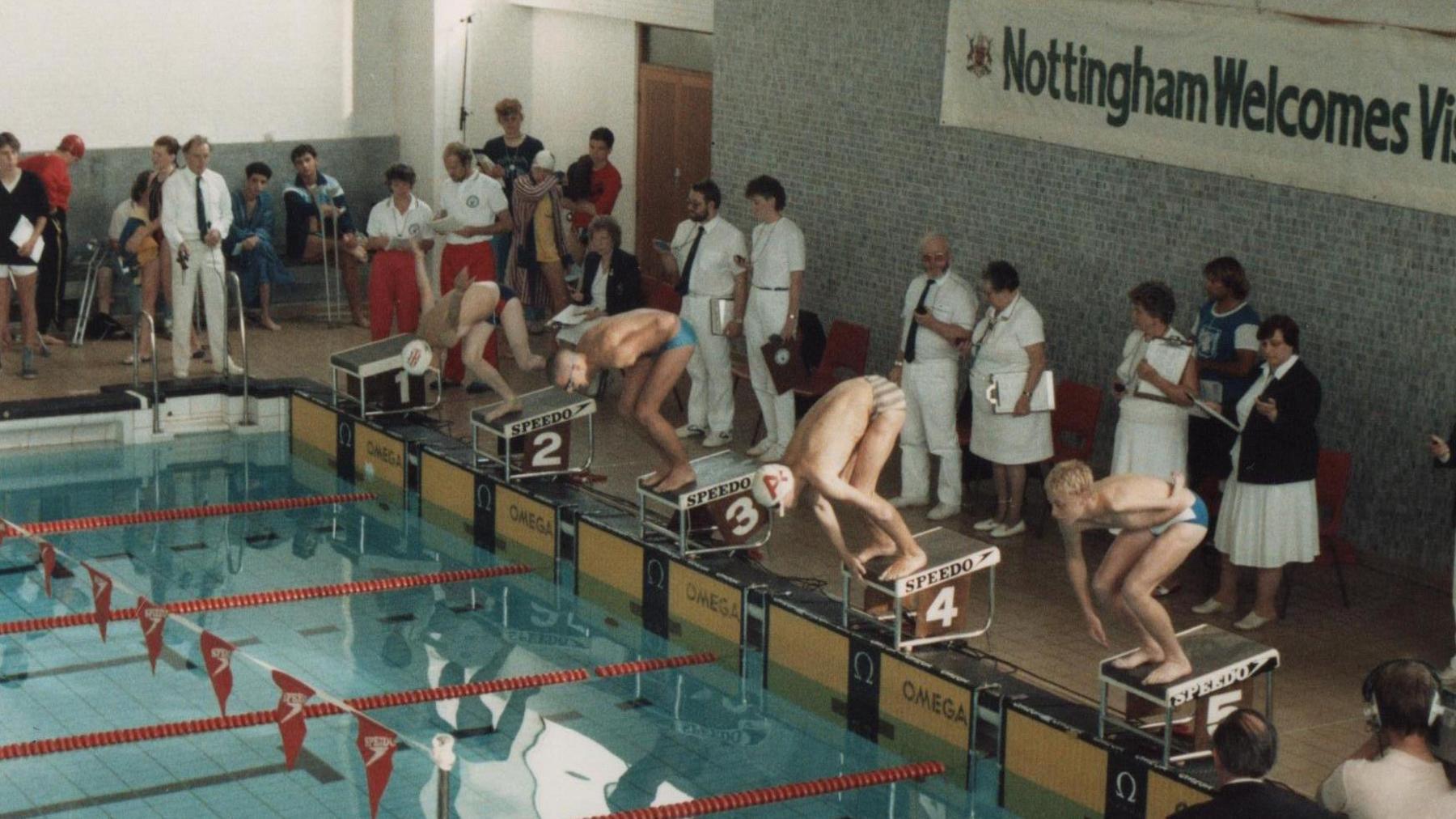 Image source, Mark Williams
Mark (lane two) raced in the first World Games for Disabled Youth in Nottingham in 1986
The driver, a man in his 30s, stayed at the scene of the crash and came to the hospital days later to ask staff how Mark was.
Police decided not to press charges and no record remains of who he was.
After speaking to local media in 2019 in an attempt to find him, Mark thinks he had a close call when a stranger in his 70s turned up at a neighbouring farm a week later, looking "scared stiff" and asking for him.
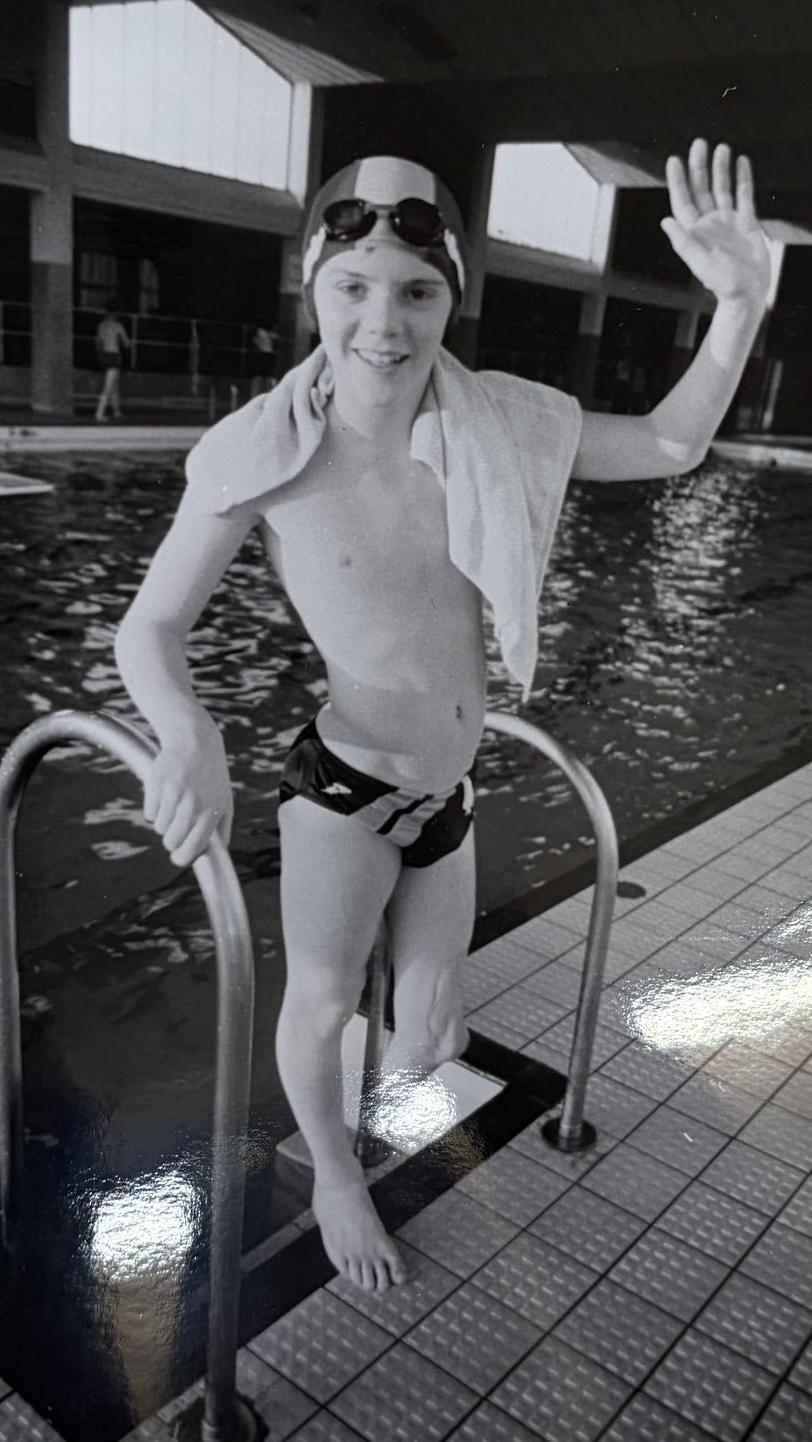 Image source, Mark Williams
Mark was taught to swim in Ysbyty Glan Clwyd as part of his rehabilitation
But, after getting directions to Mark's farmhouse, he never arrived and Mark still wonders if it was him, or just a coincidence but really wants him to get in touch.
When he woke up after his crash, Mark was terrified his "life was over" and feared he would be reliant on his parents for the rest of his life.
Instead, "amazing things" happened.
It started when he met Mick Jones - the head of Rhyl Dolphins Swimming Club - at the hospital's physiotherapy pool.
Jones had slipped at the poolside and was recovering from a damaged spine when he met Mark, who could not swim.
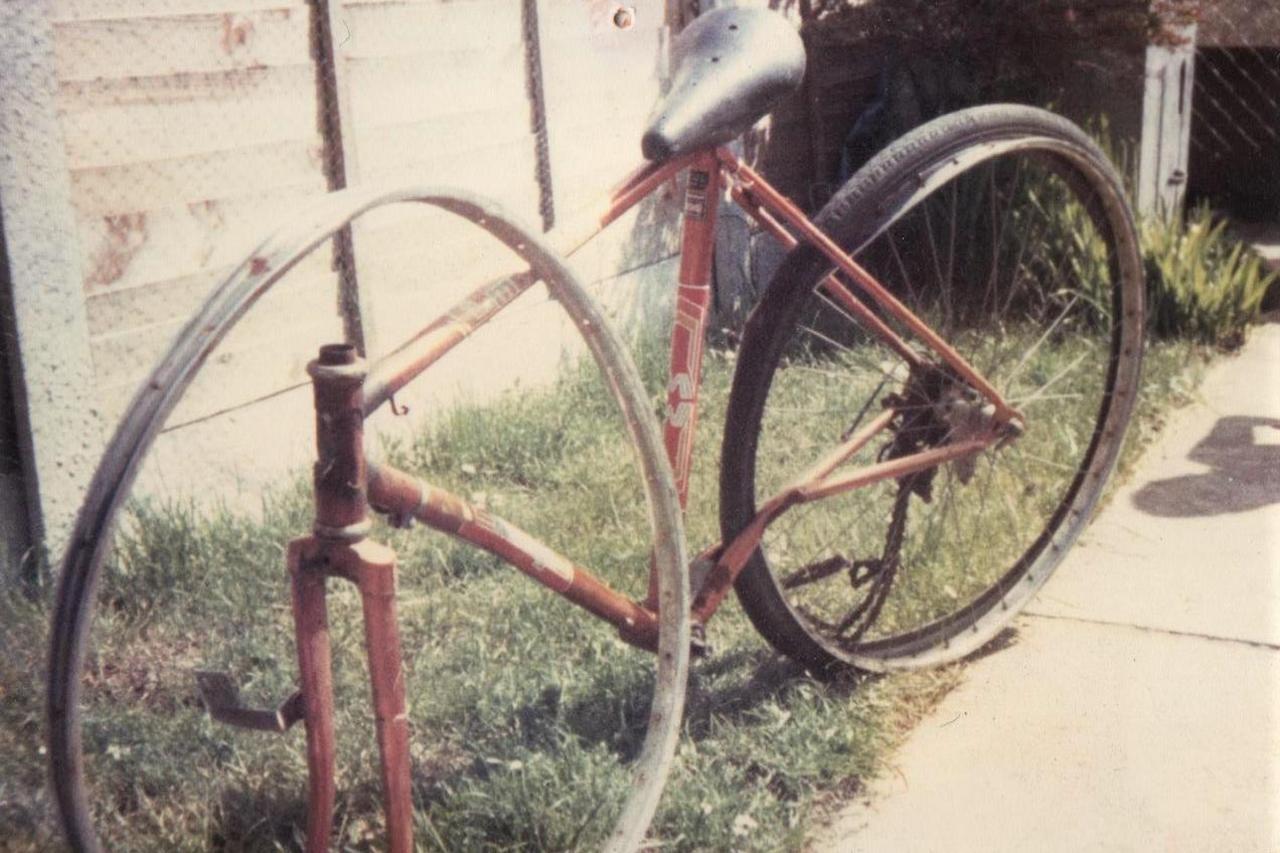 Image source, Mark Williams
Mark's bike was badly damaged in the crash that resulted in him having his leg amputated
"It was unlucky for Mick but lucky for me, because he took it upon himself to teach me," said Mark.
"And when I left hospital he asked my parents if he could offer me free swimming lessons for a year."
Four months later, Mark went to a swimming gala where he competed against more experienced boys of the same age who were not disabled.
He "won most of the races" and Mick contacted the British Sports Association for the Disabled (BSAD) based at Stoke Mandeville - known as the birthplace of Paralympic sports.
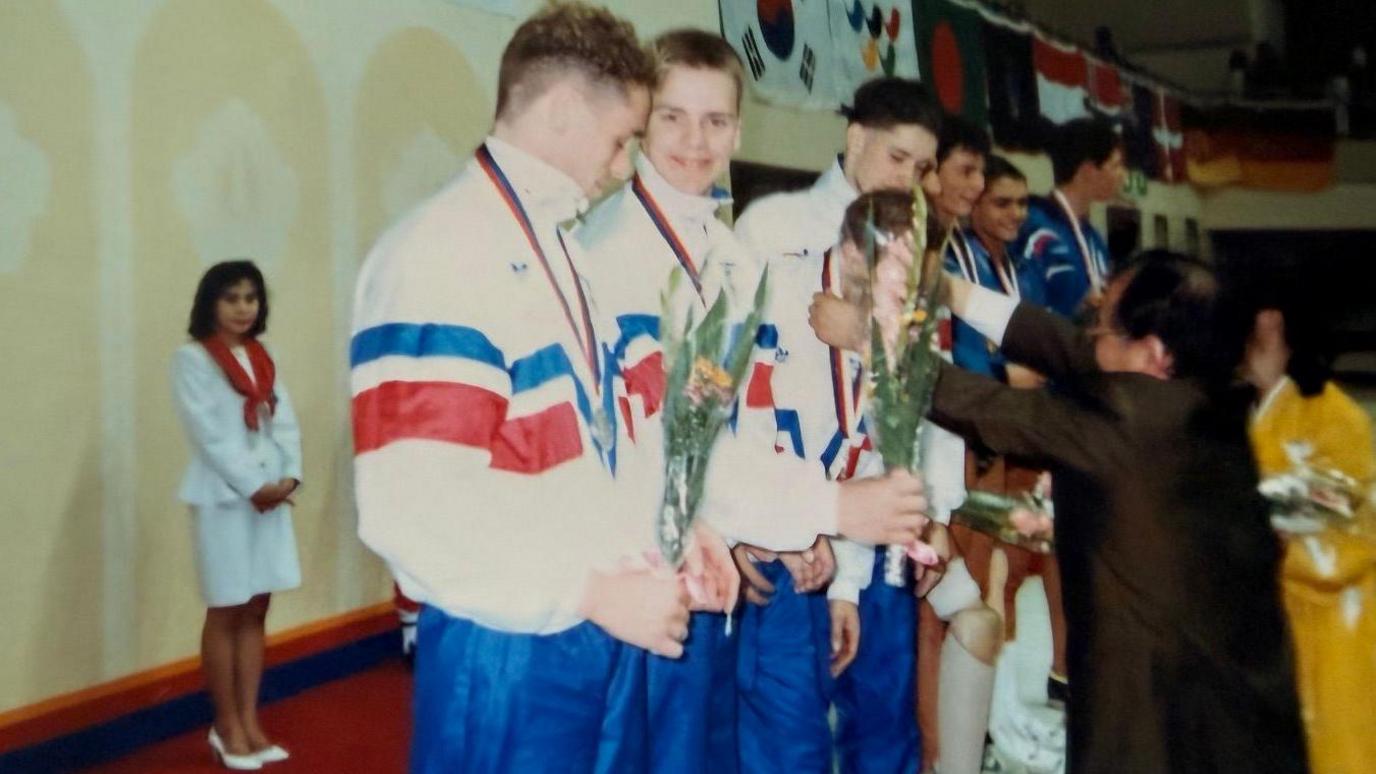 Image source, 1998 Seoul Paralympics
Mark, seen here smiling into the camera, won silver in the 100m butterfly and bronze in the 4x50m medley relay at the 1988 Seoul Paralympics
They sent qualifying times for entering the British Championships and, about five months later, Mark achieved them.
When the times were submitted, the BSAD wrote back saying they had made a mistake.
They had not sent the qualifying times - they'd sent the British records.
Six weeks later, with his parents supporting him, Mark competed in the British Championships, winning five gold medals and setting five new British records.
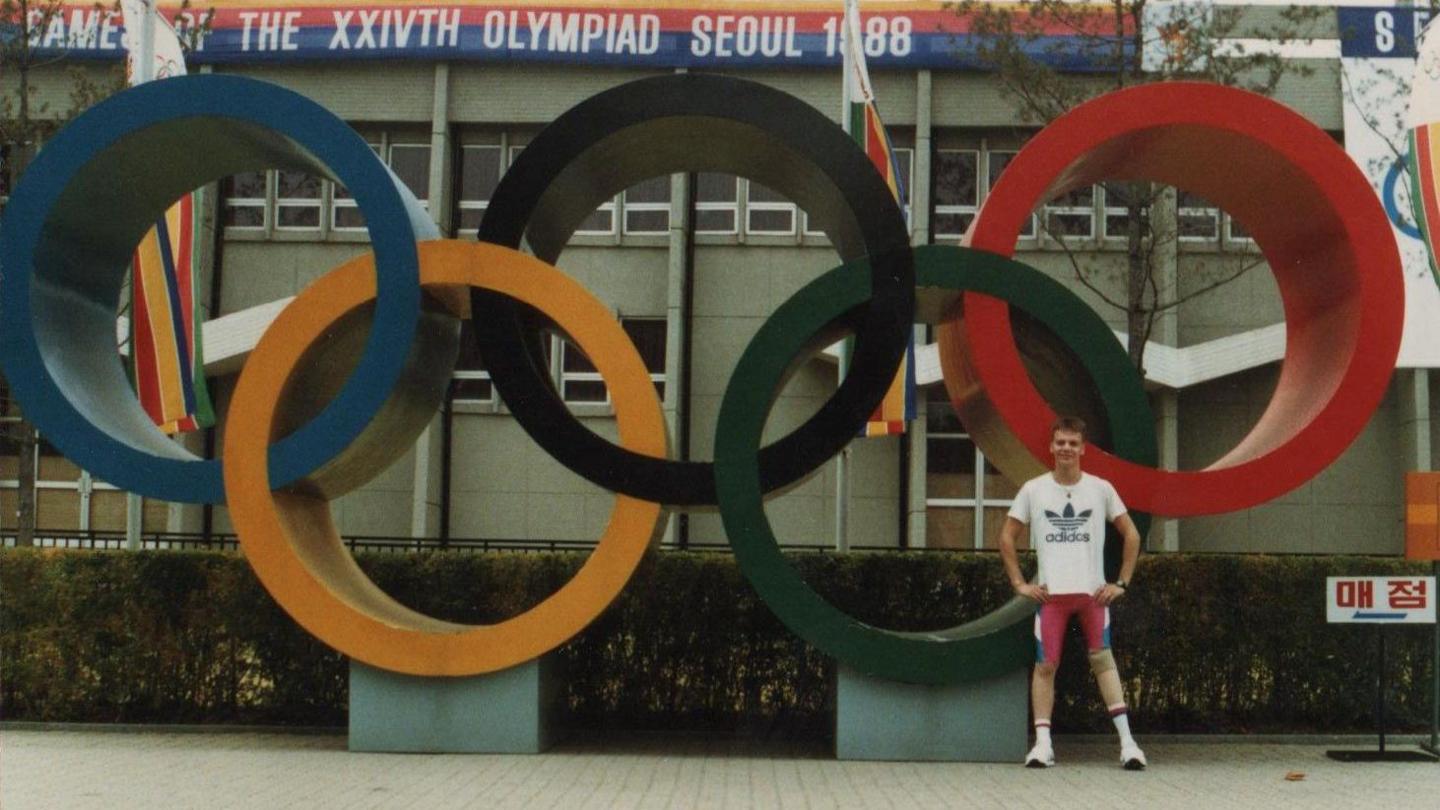 Image source, Mark Williams
It cost £3,000 to try to qualify for the 1988 Seoul Paralympics and Mark credits his local community for rallying around to raise the funds
His subsequent swimming career took him around the world, eventually leading to the 1988 Seoul Paralympics.
He described walking out with Team GB in front of 95,000 people at the opening ceremony as "phenomenal".
After winning silver and bronze, he went on to win gold and set a new world record at the 1989 Miami World Youth Games.
"I was wearing my medal on the plane home and then all the way on the train from Euston station to Rhyl," he said.
When he got home, he decided to take a break - and never went back.
"I felt completely different," he said, calling it the "right decision".
"I'd set myself that target and that had been what was driving me forward."
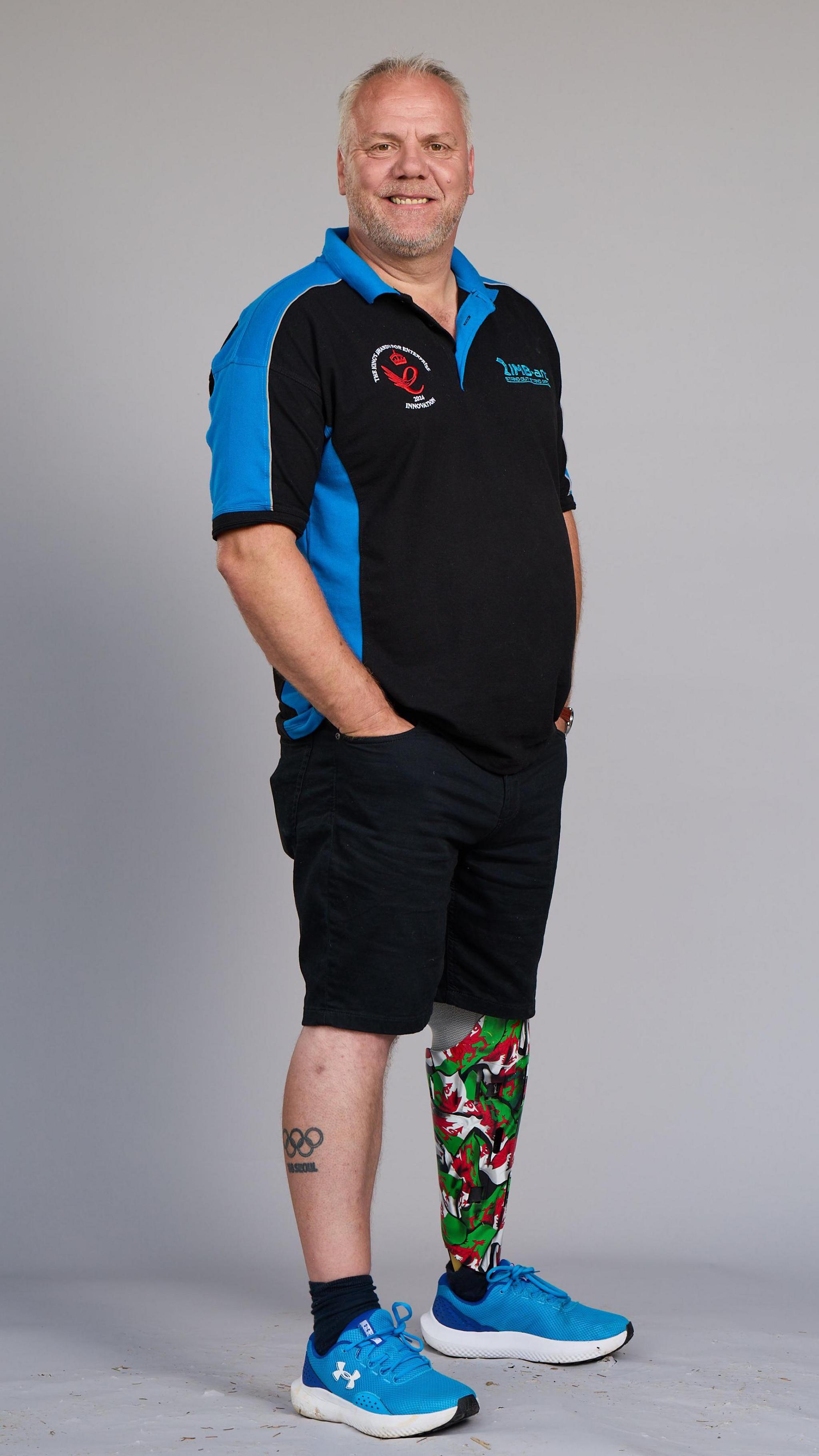 Image source, Department of Business and Trade
Mark first designed a prosthetic leg cover for himself after becoming frustrated with "micro-glances" at work towards his leg
Mark went into sales and eventually left to set up a company with his wife Rachael, 57, designing covers for prosthetic legs.
LimbArt, has won awards, giving Mark the chance to meet King Charles and Prince William.
Mark, who has two children of his own and two step-children with Rachael, said finding the driver who hit him would "close the door".
"I am very conscious that I'm travelling around the UK going into schools and telling them all how grateful I am for what happened, and he might not know," he said.
"My biggest fear is that he's sitting at home now having sleepless nights over what happened.
"I don't even want to talk to him about that day. I just want him to know how grateful I am."