6 months ago
51
6 months ago
51

Sima KotechaSenior UK correspondent

 BBC/Rare TV
Hundreds of thousands of probation appointments with criminals did not take place over the last three years, new Ministry of Justice figures show.
The data suggests that unmanageable workloads are to blame for almost a third of scheduled meetings being cancelled, with several probation officers warning that this could encourage reoffending and put lives at risk.
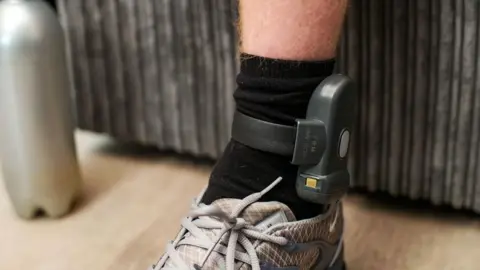
Probation officers are responsible for checking that offenders are following the terms of their release from prison such as curfews, not taking drugs and wearing ankle tags that can restrict their movement.
It comes as the government announces plans to reduce workloads, recruit more officers and monitor more offenders with tags.
Figures released on Thursday show that 32% of probation appointments with very high-risk offenders, such as child abusers and rapists, did not take place between 2023 and 2025 because staff had unmanageable schedules - amounting to tens of thousands of cancelled appointments.
One probation officer told the BBC that missed appointments could lead offenders to break the law again because "crucial information isn't gathered and shared".
"If someone is a domestic abuser and they have a new girlfriend, for example, we might need to tell the authorities - but if we don't have the appointment, we don't get that information and that could lead to someone being hurt or even killed," they said.
From September, there will be changes to the way serious criminals who have been released from prison are supervised, ministers say, meaning rapists, murderers and paedophiles in the community will have more one-to-one meetings.
The government argues this will mean probation staff can focus their time on the most dangerous offenders while those assessed as lower risk will require fewer routine appointments.
But some probation staff believe this will move the workload around rather than reduce it.
The probation caseload - the number of offenders staff are looking after - was 241,540 at the end of March 2025, an increase of 9% over a decade. Staff may have multiple appointments with each offender in a week.
The government also plans to introduce legislation which would mean more burglars, thieves and domestic abusers would face GPS and alcohol monitoring - using ankle tags - in what ministers describe as a £100m crackdown on crime.
A pilot scheme costing £5m will also be launched where new proximity monitoring technology will be tested. It will create an alert when offenders convicted of crimes such as domestic abuse and stalking approach their victim.
"This the biggest expansion of tagging in British history and means the most dangerous offenders will now be watched more closely than ever before," Prisons Minister James Timpson said.
"By combining new technology with a stronger probation workforce, we're making sure those who pose the biggest risk are under constant scrutiny to better protect victims and the public," Lord Timpson added.
In England and Wales, some 20,000 people are currently tagged. It is expected the additional tagging as part of the new measures will lead to another 7,000 criminals being tagged.
Ministry of Justice sources told the BBC contractors responsible for tagging were "in the green zone" and up to date with their workload.
Security contractor Serco, which manages the prison tagging system, said it was "very proud to be supporting the MoJ with the biggest increase in tagging in a generation", adding that it had the resources "to deal with the increased number of offenders to be monitored".
The government is also introducing, for the first time, a presumption that all prison leavers will be tagged on release as part of intensive supervision.
Those who have served their sentence inside or have a medical condition prohibiting them from wearing a tag will not be included.
But critics question how possible this is when there have already been problems in recent months with people not being tagged when they should have been.
"As far as we know, people who should be tagged aren't being tagged today so it's fair to ask if they can take on the extra capacity given people's lives are at risk if they can't," one probation officer told the BBC.
This comes before the new sentencing law is implemented where some short jail terms will be replaced by community alternatives to help reduce prison overcrowding.
Chief Inspector of Probation, Martin Jones, welcomed the government's plans, saying they "attempt to focus time and resources where they matter most".
"We are entering a crucial period as the implementation of the Sentencing Act reforms begins.
"There must be a sharp focus on ensuring the Probation Service can recruit, train, and retain sufficient staff, and give them the tools and support they need - both to keep the public and victims safe, and to turn offenders' lives' around".
Enver Solomon, chief executive of social justice charity Nacro, said tagging "only helps reduce reoffending if it supports people to rebuild their lives by finding stable housing, getting into work and reconnecting with family".
He added that while prioritising supervision for high risk offenders was "understandable", it was also important to look out for those judged as low risk.
"Many are stuck in a cycle of crime driven by homelessness, poor mental health or drug addiction. Without the right support, they are far more likely to end up back in the criminal justice system instead of turning their lives around," he said.
In 2025, the then justice secretary Shabana Mahmood pledged to recruit an additional 1,300 probation officers by April 2026. It takes more than a year to train a probation officer.
At the time, the government said they had announced a £700m increase in funding by 2028, as well as recruiting more trainee probation officers.
In March 2025, there were 21,022 full-time probation staff in England and Wales, an increase of 610 on the previous year.