2 hours ago
1
2 hours ago
1

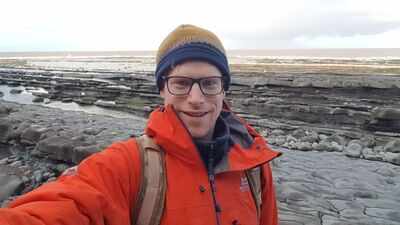
In 2014, Matthew Myerscough’s life changed during a mountain accident that nearly cost him his life. While climbing Yr Wyddfa, also known as Snowdon, he was caught in an avalanche and buried beneath snow for around 20 minutes before being rescued.
The experience altered his relationship with the mountains and eventually led him towards a different landscape. Reportedly, years later, while searching for fossils at Lavernock Point in Wales, Myerscough uncovered a remarkable piece of prehistoric history: a fossil belonging to a 201-million-year-old marine reptile known as a rhomaleosaurus. His journey from avalanche survivor to fossil discoverer reveals how a traumatic event unexpectedly opened the door to a new passion.
Matthew Myerscough's journey from avalanche survivor to fossil hunter
As reported by the BBC, in 2014, Myerscough was caught in an avalanche while on Yr Wyddfa, also known as Snowdon. The slide buried him beneath around a metre of snow, leaving him unconscious for roughly 20 minutes before he was rescued.The civil engineer later realised the experience had affected him deeply. He described dealing with symptoms linked to post-traumatic stress disorder after the accident, and returning to the mountains no longer felt the same.
Although he eventually went back to Yr Wyddfa in 2018 for the Dragon's Back Challenge, walking through the landscape where the accident happened, his interests were already moving elsewhere. The mountains that once dominated his time were gradually replaced by quieter days searching for fossils along the coast.
How fossil hunting helped Matthew Myerscough find focus again
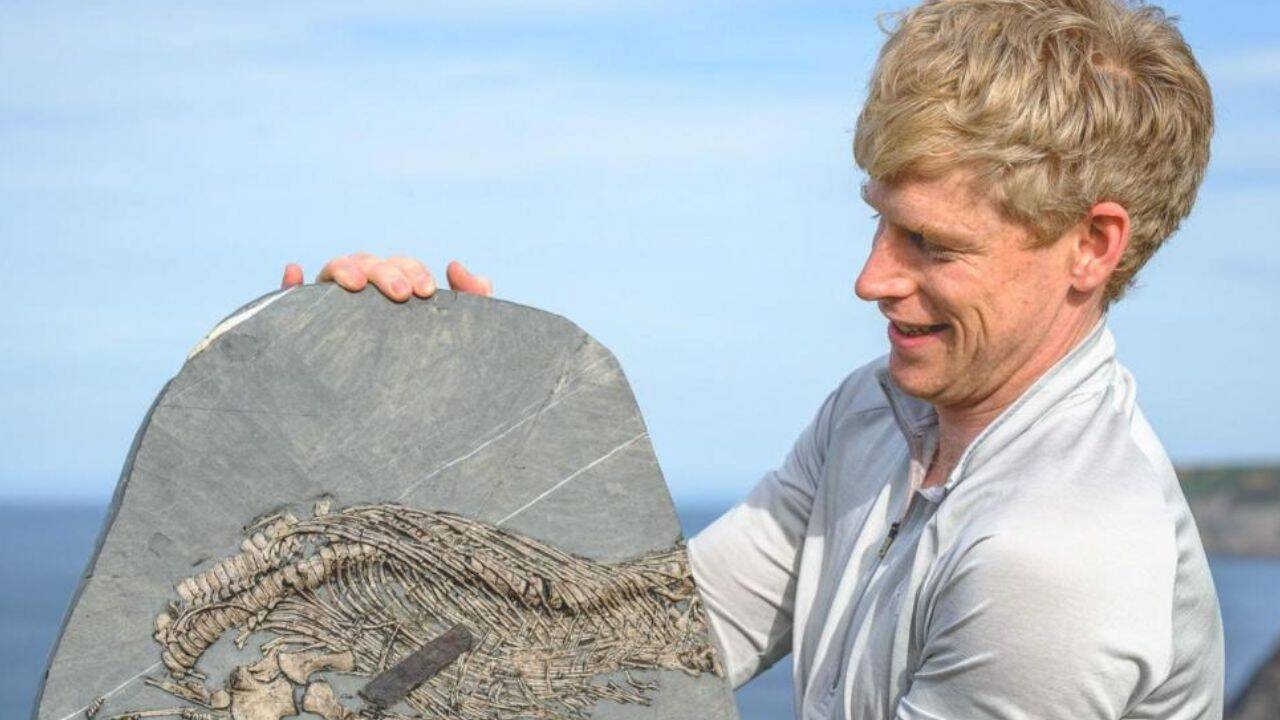
PC: BBC
Myerscough began visiting fossil-rich beaches at Lavernock Point in the Vale of Glamorgan. The activity required patience rather than speed.
Hours could pass while examining rock surfaces, searching for unusual shapes and patterns that might reveal something hidden for millions of years. Looking carefully through stones gave his mind something specific to concentrate on, creating a break from worries connected to everyday life and past experiences.He compared the feeling to the concentration people find through activities such as sport, meditation or watching a film.
The attention required by fossil hunting helped him stay present, with the search itself becoming part of his recovery.
Matthew Myerscough's discovery of a 201-million-year-old sea dragon fossil
During one of these trips, Myerscough and two other fossil hunters noticed an unusual shape in limestone at Lavernock Point. What first appeared as an interesting piece of rock turned out to be something far more significant.After experts examined the specimen, it was identified as part of the lower jaw of a rhomaleosaurus, a large marine reptile that lived during the early Jurassic period.
The animal, sometimes referred to as a sea dragon, was a powerful predator that hunted in prehistoric oceans.Dating back around 201 million years, the fossil represented the first known discovery of this type of marine reptile in Wales. Research into the find is continuing through the National Museum Cardiff, with the possibility of further academic study.For Myerscough, the importance of the discovery extends beyond the fossil itself.
Finds like this show that important scientific discoveries can still come from unexpected places and from people outside traditional research institutions.
What fossil hunting reveals
For those unfamiliar with the hobby, fossil hunting is often less about digging and more about observation. Myerscough says much of his approach involves studying the natural patterns in rocks rather than immediately using tools. A typical trip might involve little more than a hand lens, suitable footwear and a flask of coffee.
The most valuable equipment, he suggests, is often patience and the ability to notice small details.The beaches around Lavernock Point have become popular among fossil hunters because fragments from ancient marine life can sometimes be found among the loose stones. Remains of prehistoric creatures, including pieces from plesiosaurs and ichthyosaurs, have been discovered in the area, along with fossils such as shark remains and coprolites, preserved traces of ancient animal waste.The accessibility of the coastline means families and amateur collectors can experience a small part of palaeontology without needing specialist equipment.
Sharing the experience behind the discovery
Reportedly, Myerscough later wrote In Search of Sea Dragons: A Fossil Hunter's Odyssey, focusing not just on fossils themselves but on the experience of finding them.He felt many accounts of archaeology and palaeontology focused heavily on the final discovery, while leaving out the slower process behind it, the hours spent searching, the uncertainty and the moment when an ordinary-looking rock becomes something extraordinary.He also wanted to make fossil hunting feel less mysterious. Some collectors are careful about revealing details of their discoveries, particularly locations, but Myerscough chose to describe the journey from finding the specimen to understanding its significance.