2 months ago
47
2 months ago
47

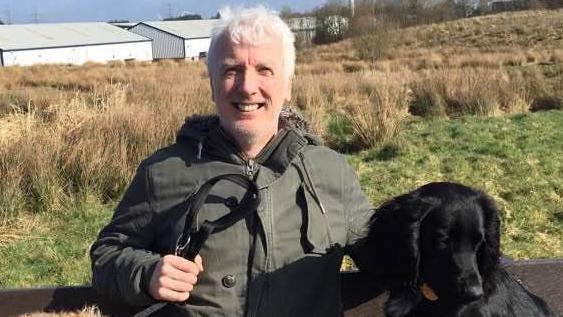
Brian Hurton died in November
A 55-year-old man died alone after twice calling 999 only to be told by call handlers an ambulance would not be sent for him.
Brian Hurton had an aortic dissection - when a tear opens up in the body's main artery - on 18 November last year.
He called the emergency services at 17:55, complaining that he was struggling to breathe and felt like he was going to collapse.
He was told that a clinician would call him back, and that if he got worse in the meantime he should call the emergency services again.
He did call again, about 10 minutes later, and told the call handler he was "losing breath". He was again told that someone would call him back.
According to the transcript, seen by BBC Scotland News, Brian was told: "We are quite busy in the area at the moment Brian, so based on the information provided instead of an ambulance response initially one of our clinicians is (going to) call you back."
An hour and 12 minutes after his first call, a clinician called him back.
But that call and two further calls went unanswered.
An ambulance was not dispatched until 21:12, and arrived at 21:19 - almost three-and-a-half hours after his first call to 999.
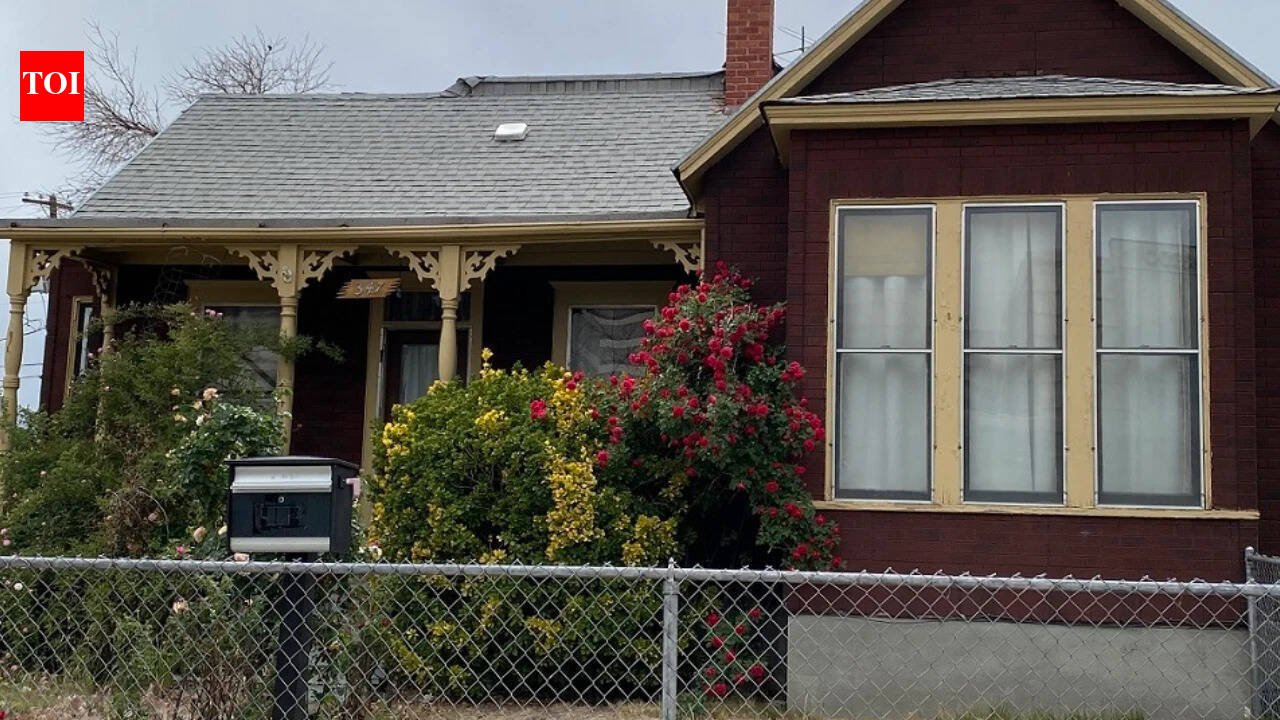
The front door of Brian's home in East Kilbride was ajar, and he was found by paramedics. He was lying dead on his bathroom floor.
'My brother died begging for help'
Brian's sister, Allison Duncan, said that her brother - Brian's twin - had phoned her to say that Brian had died.
She and her husband went straight to Brian's house.
Brian's body was still there, and police told Allison her brother had called 999 for help before he died.
The family asked for a report to be carried out into the circumstances around Brian's death.
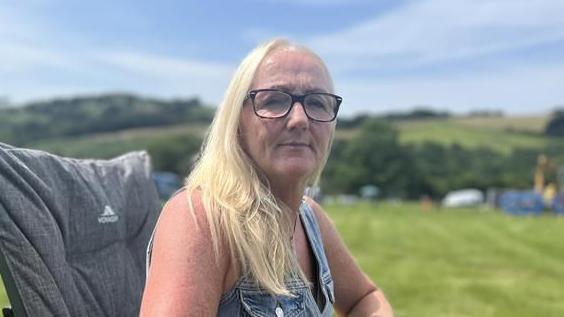
Allison said listening back to the 999 calls was harrowing
Allison told BBC Scotland News: "We couldn't believe it when we found out that Brian had made two calls and they then called him back and they couldn't get a response and it still took them another couple of hours before they sent an ambulance out to Brian's house."
She said listening back to Brian's calls to the emergency services was "harrowing".
Allison said she did not understand how an ambulance was not sent out right away, adding that the call handlers should have asked if someone could go to be with Brian.
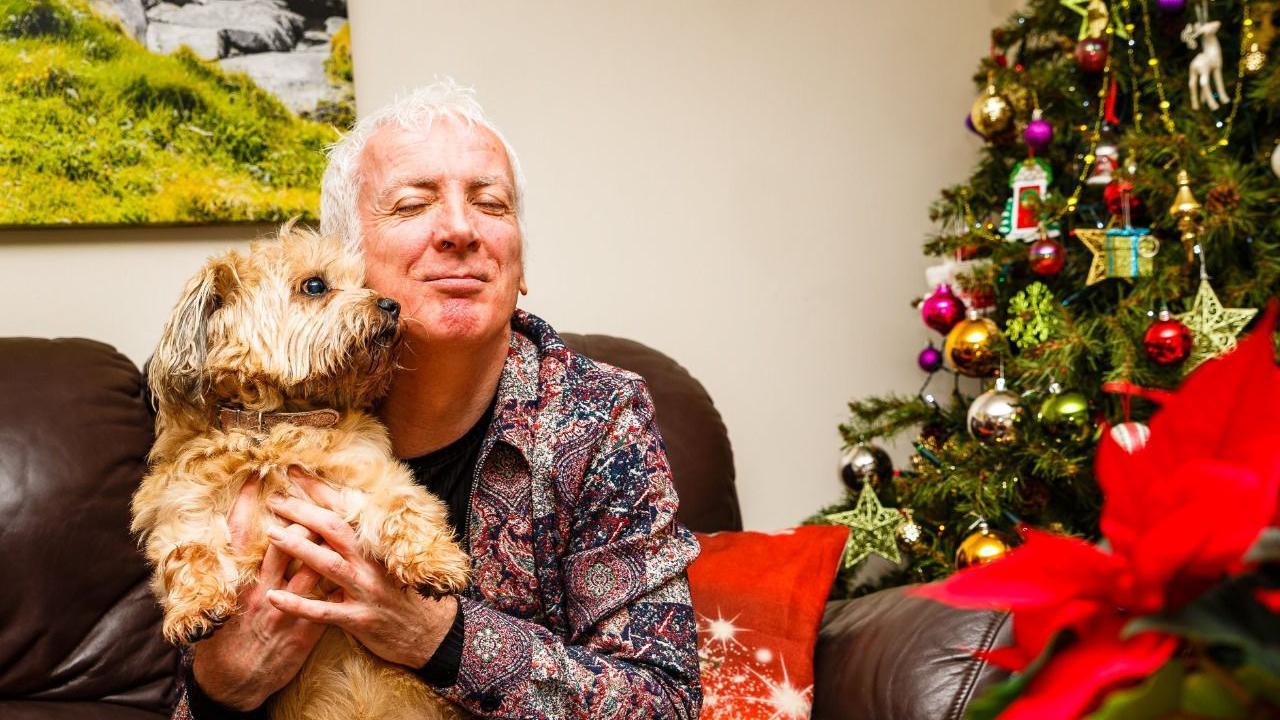
She said Brian's twin could have been with him in seconds.
Thinking about how Brian died left her feeling "very sad" and "quite traumatised", she said.
Allison continued: "He was left with his last dying moments on his own, struggling for breath, begging for help, thinking that he was going to get help.
"Then the second call, when they said again, they're not sending anybody out. It was clear in the audio that he gasped. He couldn't believe it.
"He still said: 'Okay, thank you. Bye bye.'
"I could see it in his face - he was terrified."
Allison said while Brian may not have survived had paramedics reached him, he could have been given oxygen and pain relief to make him comfortable.
She added that he would have felt safe and would have had someone with him when he died.
The full transcripts of Brian's calls, external have been published by the Daily Record.
What did the review find?
A review into Brian's death by Healthcare Improvement Scotland has been seen by BBC Scotland News.
It said:
Brian's first 999 call should have been allocated a higher priority response. If this had been coded correctly, a "timelier" ambulance response would "likely" have been sent.
It was not possible to determine whether this would have changed the outcome.
The response time for clinical review was longer than the expected waiting time.
Excessive delays at hospital reduced the ambulance service's ability to service the emergency calls that were awaiting response.
Additional guidance should be developed for vulnerable patients who are alone and could deteriorate.
The demands on the 999 service was lower than expected for the time.
'Failure in call handling'
A spokesperson for the Scottish Ambulance Service said: "Due to the seriousness of this case, the Scottish Ambulance Service undertook a full Significant Adverse Event Review (SAER) rapidly, and we remained in contact with the family throughout the entire process.
"We understand that nothing can change the outcome, but we hope that our adoption of the review's recommendations demonstrates our commitment to learning and improvement."
The spokesperson offered the service's condolences to Brian Hurton's family and said thy were happy to discuss the review with them directly.
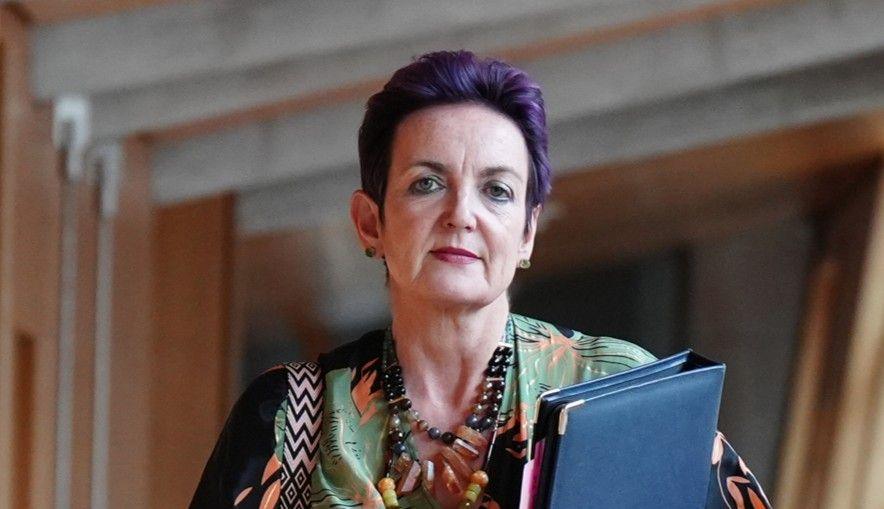 Image source, PA Media
Health Secretary Angela Constance said it was clear there had been a failure in call handling
The Scottish government's health secretary, Angela Constance, said her sympathies were with the family.
She continued: "This should not have happened, and it is clear there has been a failure in call handling."
Constance welcomed that the Scottish Ambulance Service (SAS) had accepted the report into its failures.
"SAS must learn from this investigation and I will be meeting with them to ask how they will be taking all appropriate steps to ensure improvements to call handling," she said.
Constance added that A&E departments continued to experience "significant pressure".
But, she added, it was unacceptable for patients to wait "too long for the care they need".
She said the Scottish government would be bringing forward a new national plan for "hospital flow", which would bring together the ambulance service and health boards to shorten waits for patients, reduce unnecessary hospital trips and ease pressures in A&E.