1 hour ago
1
1 hour ago
1

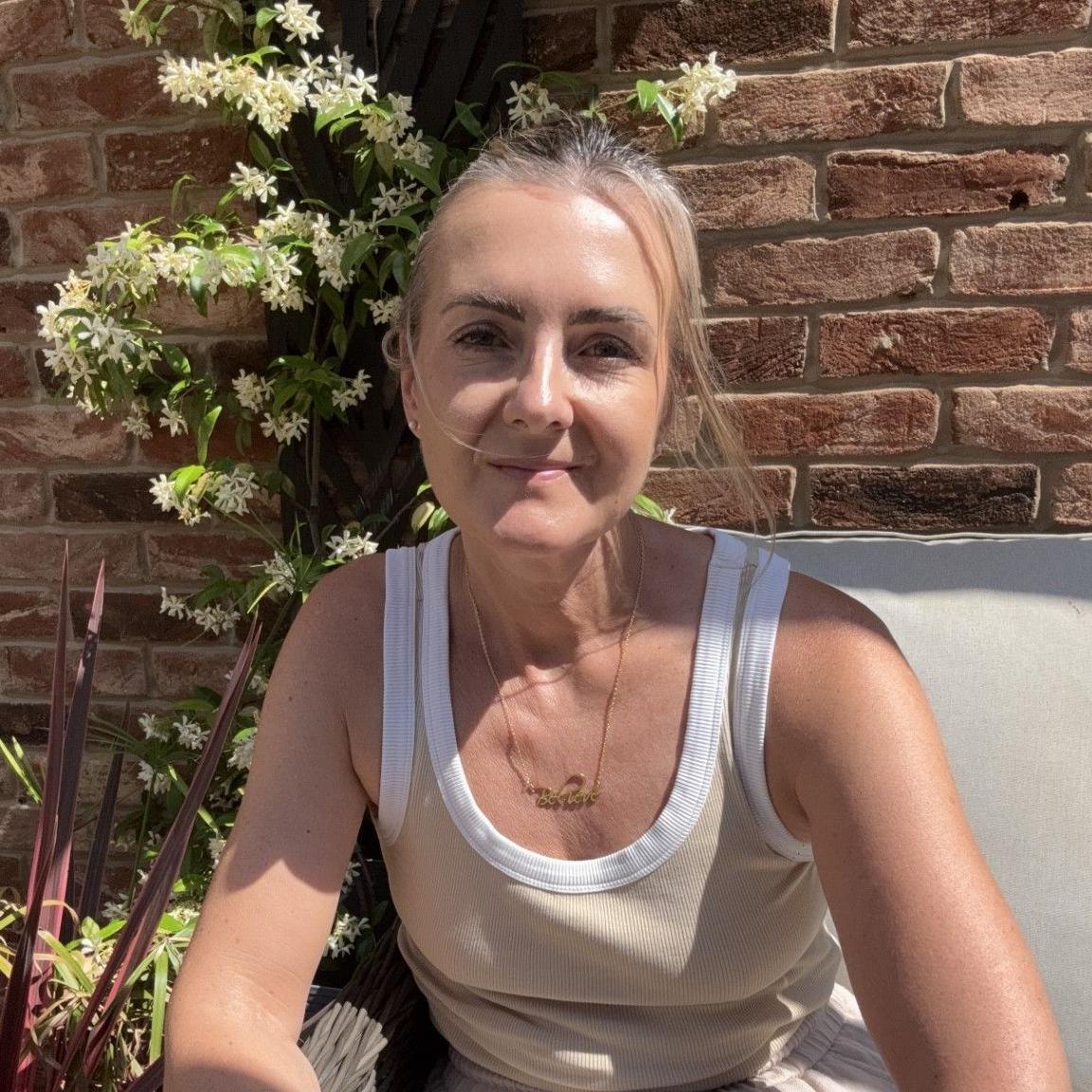 Image source, Natalie Heptinstall
Mum Natalie thinks a shorter school summer holiday would help parents save money
Last summer, Natalie Heptinstall took a break from work and spent all of August with her eight-year-old daughter.
It meant she could stay at home and enjoy the school summer holiday with her youngest child, something she hadn't been able to do with her two older kids.
To take time off work, Heptinstall, 52, saved up some money and exercised her right to unpaid parental leave, external - which entitles parents to take up to 18 weeks' leave to look after their child's welfare up to their 18th birthday.
Like many parents, Heptinstall and her husband previously managed with a combination of organised childcare and annual leave to look after their older kids, who have now grown up and left home.
"I always remember the guilt attached to that, feeling like I was sort of farming them off somewhere rather than spending time with them," says Heptinstall.
'It's a juggling exercise'
This month, parents across England have been gearing up for the start of the summer holiday, but Heptinstall believes it should be shorter - perhaps reduced from six weeks to four.
For many parents, this would make it easier to fit summer childcare around their jobs - and the reduced break would mean moving the remaining two weeks to another point in the school year, outside of the peak tourist season.
"It's always a bit of a juggling exercise," says Heptinstall, and others like her appear to agree.
Of about 5,800 parents in the UK surveyed by the charity Parentkind last year, just over half (53%) said the school summer holiday should be shortened to four weeks.
Experts say a shorter break would help children maintain a sense of structure that would make it easier to continue learning once the new school year starts.
Sir Martyn Oliver, head of education standards body Ofsted, told LBC Radio, external last year that being out of school for six weeks affected pupils' ability to manage their behaviour and attention in class - something he described as "dysregulation".
He said children from vulnerable or disadvantaged backgrounds were particularly affected.
 Image source, Jo Bain
Foster mum and retired teacher Jo says children can become stroppy when they get out of the school routine
Jo Bain, a 62-year-old foster mum and retired teacher, told BBC's Your Voice that a long summer holiday meant a difficult start to the autumn term academically for many pupils who had fallen out of their usual school routine.
"Most of the time, they haven't done a great deal of learning [over the summer]," she says. "They come back in September and it takes a few weeks to get them back to the same standard of work."
She adds: "When children go out of their normal routine, they can become a bit stroppy."
Helping students emotionally, as well as academically, is something schools now do more widely and formally than they did in the past, says Prof Lee Elliot Major, who researches social mobility at the University of Exeter.
'It's tricky to keep kids entertained'
"Schools are basically acting as hubs of social support as well as learning," he tells me.
According to Elliot Major, the reason UK state schools have a long summer holiday stems from the habit of private schools giving their pupils long breaks to allow for seasonal travel.
Today, wealthier families can also more easily afford to enrol their kids in sports camps, artistic activities and trips to cultural places during the summer break - all things that can make for a better education, says Elliot Major.
Local authorities often organise activities through their schools and libraries but many still require parents to pay a fee to enrol their children.
Bain, who lives in Cheshire and fosters children of varying ages, finds it tricky to keep them "motivated and entertained" for six weeks given their differing interests.
"You've got to go out and about and find free activities, as well as do paid ones," she says.
Heptinstall, who lives in Yorkshire, has changed job since taking unpaid parental leave last summer and can now spend more time at home with her daughter.
She says her daughter often attends activity days, from arts and crafts experiences to woodland visits, but the cost varies depending on whether she is looked after for the length of a school day (£25) or the length of a working day (£35).
"We'll pick and choose [activity days] that she wants to attend rather than it having to be a necessity because I'm working and need to find childcare for her," explains Heptinstall. "I do appreciate we're lucky in that sense."
 Image source, Getty Images
As well as shortening the summer holiday, both Heptinstall and Bain think it should be staggered - meaning different schools would break up in different weeks - to help bring down the costs for families going away.
In Germany, this is done by region, and some parts of the UK do this too, though it is not part of a coordinated national plan.
Being able to holiday outside of peak season could save Heptinstall and her family hundreds, if not thousands of pounds, annually. "You only have to look [online]… to see the difference."
She criticises the current system whereby parents can be fined if they take their children on holiday during term time. In the most extreme cases of repeated absence, parents can be given a jail sentence of up to three months.
"I just think it's absolutely ludicrous," she says. "It's not neglect... they're seeing different cultures, hearing different languages, they're eating different foods."
While many parents might be in favour of shortening the school summer holiday to four weeks, the same report by Parentkind found that only 24% of teachers supported the idea.
BBC News contacted the two largest trade unions representing teachers in England - the NEA and NASUWT - for comment.
The Department for Education says it understands the school holidays can be "a tricky time for many parents" and, to help those from disadvantaged backgrounds, has committed over £600m to the Holiday Activities and Food Programme.
It says it has also provided discounts on attractions and meals for families, as well as £13m "to help local councils offer more childcare places".
It adds: "Local authorities and academies set their own term dates, not the government, so they already have the flexibility to change the length of holidays if that is something teachers and parents want."
Addressing the issue of school holidays again earlier this year, Sir Martyn told the FT, external: "I think there is a need to have a good old look at it but the rhythm of society has been built and trained so much around this that unpicking it is massively difficult and hard for sure."
With Bain's experience as a teacher and foster mum, she can see both sides.
"Six weeks is nice in the summer but I really do think now, with the weather changing and our schools not being equipped for hot days, six weeks is a long time."
Additional reporting by Alix Hattenstone.