1 hour ago
3
1 hour ago
3

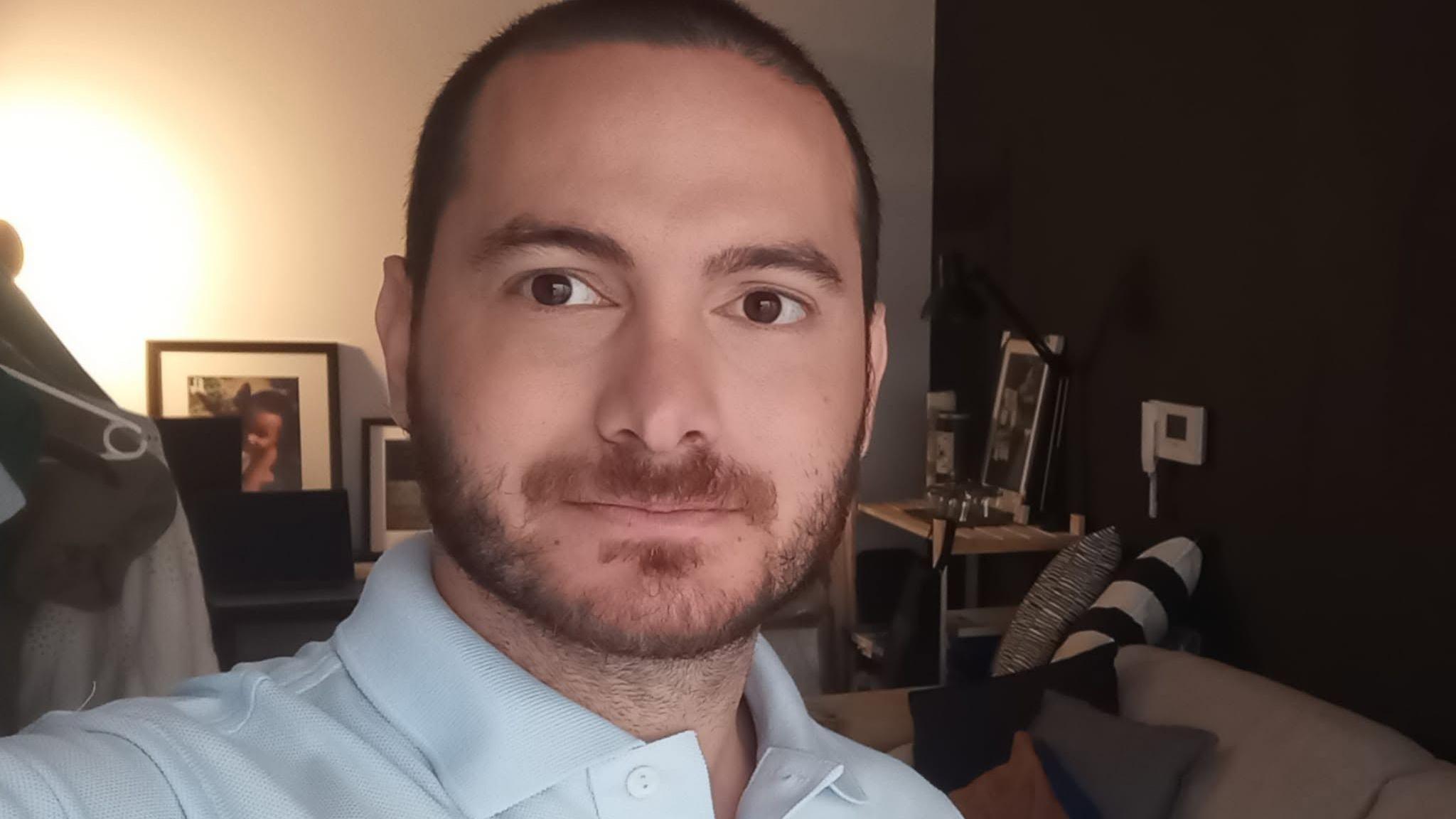
Kyle Gordy says he has fathered "dozens" of children all over the world, including three in Scotland
ByRebecca Tierney
BBC Scotcast
Kyle Gordy does not drink alcohol or smoke, takes 30 supplements day, eats only organic food and drinks nothing but filtered water.
"Everything I do is to maximise my fertility," he says.
The 35-year-old American, who currently lives in Ireland, is an online sperm donor who says he has fathered "dozens" of children all over the world, including three in Scotland.
As well as being a donor himself, Gordy runs several Facebook groups, some of which have more than 40,000 members worldwide - and he also has a website for meeting potential recipients called 'Be Pregnant Now'.
Selling sperm for profit is illegal in the UK but the number of men offering to provide their services via unregulated online platforms is increasing.
It only takes a few clicks to find a Facebook page which says something like: 'Sperm Donors UK - Get Your BABYDUST Here!'
However, such arrangements can come at a cost, with many women reporting being coerced into sex acts or harassed by men they have contacted through social media sites.
Why is there a market for sperm donors?
Fertility treatment, or IVF, using a sperm donor is possible for some women on the NHS but there are limited rounds, lengthy waiting lists and a shortage of donors.
For instance, the average wait time for beginning the IVF process in NHS Tayside is almost two years because of the limited supply of donors.
Private clinics, regulated by the Human Fertilisation and Embryology Authority (HFEA), also offer treatment but they are expensive, with the average cost of a round of IVF reaching more than £10,000.
Former SNP MP Hannah Bardell is campaigning for more access to fertility treatment.
She says she was "completely taken aback" when she was told women who are part of a couple can get three rounds of IVF on the NHS but single women are not entitled to any.
She argues this is one of the factors driving single women towards using online sperm donors.
‘It’s a wild west’ - Rise of the online sperm donors
Laura Miller hears about the rise of online sperm donors and the case for single women getting IVF on the NHS.
Kyle Gordy insists he choses to donate directly to women because it is more personal than a "cold and clinical" regulated clinic.
"You don't know who's getting it," he says of donating sperm via the official route.
For him, another motivation is the chance to be actively involved in the lives of some of his children.
He says: "I feel [clinics] are not great because there's no contact until they are 18, and that doesn't seem right because kids get curious and might want to contact you.
"I believe I have a moral obligation to keep in contact with the mothers and children that want to."
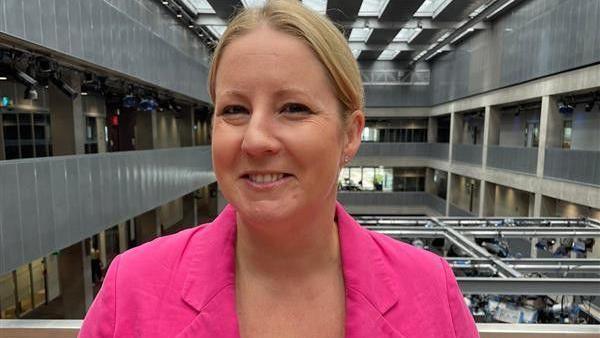
Former SNP MP Hannah Bardell is campaigning for more access to fertility treatment
However, another online sperm donor, based in Scotland, told the BBC he was concerned about women putting themselves in vulnerable positions due to their "desperation".
James, who did not want us to use his real name, says the private donor environment encourages a "very dangerous situation".
"I think the majority of donors want to donate for the wrong reasons," he says.
"Many want sex and I have heard a lot of times women saying that they agree to artificial insemination but are then forced into natural insemination on the day."
James describes himself as an "ethical donor" - one who wants to help women give birth without any conditions attached.
He says it was his wife at the time who encouraged him to investigate becoming a donor after they had children of their own with no issues.
"The more I looked into it, the more I realised there is a huge shortfall of ethical donors that aren't looking for sex, don't have a god complex and can handle no contact," he says.
The social media pages for sperm donors also have comments from women who have experienced the dark side of the online world.
One woman posted screenshots showing a potential donor harassing her for nude images while another displayed abusive messages from a man targeting her size and sexuality.
A woman who wished to remain anonymous told the BBC she was motivated to go online for a sperm donor after she was informed by the NHS that she would be on a waiting list for between three to four years.
The woman, who we are calling Emily, says going private was not an option due to the costs involved.
"I did a lot of research, and I filtered a lot of people out," she says.
"I only spoke to six men out of the hundreds who responded to my first post.
"I was ready for the creepy people and the stupid questions, so I just deleted and blocked as soon as they came."
Emily says one man responded with deliberately graphic imagery of what he wanted sexually in order for him to donate to her.
The donor Emily eventually used successfully, who we are calling Ryan, has fathered four children through Facebook groups.
Ryan is involved in the lives of his children, although he says he wouldn't be opposed to helping someone who did not want him involved.
'Prolific private donors'
The HFEA, which regulates the fertility industry, has issued its own warning about online donations.
It said it was concerned that apps, websites, or social media sites were helping exploitative or serial sperm donors expose people to serious medical, legal, and emotional risks that could have lifelong impacts.
Clare Ettinghausen, the director of strategy and corporate affairs at the HFEA, says there are concerns about the lack of regulations around the number of children one donor online could father.
The UK fertility industry has a limit which states that no donor can be used to create more than 10 families within the UK.
"What we know from some of these prolific private donors is some of them have 100s, if not more, children across the UK," she says.
Meta, which owns Facebook, told the BBC that the discussion of sperm donation was allowed on its platforms but it was against its rules to buy or sell sperm.
It said it would review any groups or posts where concerned was raised and remove content which violates its rules.