2 hours ago
4
2 hours ago
4

Newyddion S4C understands Edwards' attempt fell far short of winning the competition, with his poem placed in the third grouping of entries - a system used by the judging panel to rank entries.
His Substack account had previously drawn criticism from child sexual abuse campaigners.
In recent posts, he said he felt "abhorrence" towards the offences he committed and admitted to, and stated that his sentence would become spent on 16 September.
In an entry last month titled On Hatred, he also stated he was "not a child rapist" and that his "crime was to click on files sent to me by someone else".
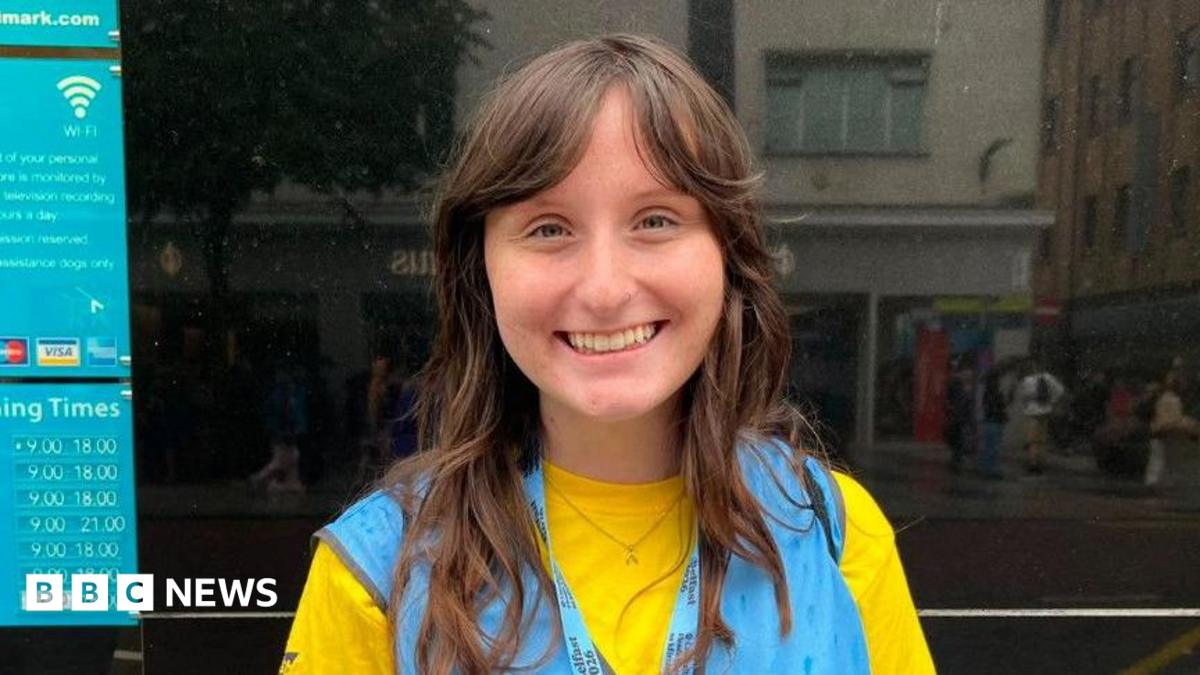
But Cracroft, who says many other survivors have contacted her since she first discussed her own ordeal publicly, believes his crimes were of a serious nature and that he should not have entered the competition.
"It's very important for us to realise, as the digital world expands, so does the abuse of children, and Huw was found guilty of accessing paedophilia," she said.
"I think he should have reconciled himself to the fact that he has hurt a lot of people and he maybe needs to research it more. When he does something like this it has huge repercussions on their mental and emotional health.
"Perhaps if he spoke to survivors, it might help him understand the effects these crimes have on victims."
She also called on the Eisteddfod to review their entry rules, where poets compete under a pseudonym.
The National Eisteddfod said: "We have a process in place which ensures nobody, including the judges, know beforehand who has competed.
"After each Eisteddfod, we have a period of appraisal to ensure our processes are appropriate - this year will be no exception."
In a statement - shown by Newyddion S4C to Cracroft, who agreed to it being published in full - Edwards said: "The poem was a tribute to my father. Nothing more or less than that.
"There was no way on earth I was going to win the competition and I knew that. The poisonous narrative encouraged by the press two years ago needed correcting."
Addressing Cracroft's criticisms, he added: "This wasn't a poem for the sickeningly self-righteous Welsh speakers - Sera amongst them - who take advantage of every opportunity to speak unthinkingly on every subject under the sun.
"She and her type are far too willing to ignore the damaging effects of mental ill health. In that, they are loyal to the heritage of London's tabloid papers."
If you have been affected by the issues in this story, help and support is available at BBC Action Line.