52 minutes ago
2
52 minutes ago
2

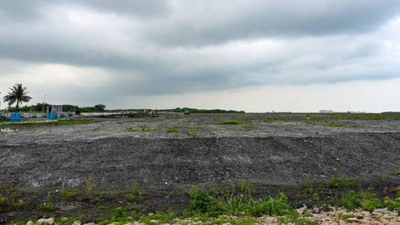
Did you know Singapore has a trash island made from ash? The country has managed to create a 350-hectare land area that has transformed into an ecological haven where migratory birds reside and corals thrive.
The idea stems from a problem unique to the nation, it does not have much land to spare.A city-state located on an island smaller than New York City, housing a population of six million cannot lease land for dumping. So what does it do? It builds its landfills in the sea and turns them into exemplary nature reserves. Semakau Landfill, eight kilometres off the main island is the world's first landfill created entirely in ocean space.
It also stands as one of the most peculiar stories of successful waste management, being the only landfill in the country.
It contributes to making Singapore well known around the world as a clean city-state. The landfill is designed, constructed and managed by the National Environment Agency of Singapore (NEA).
Burn first, then bank
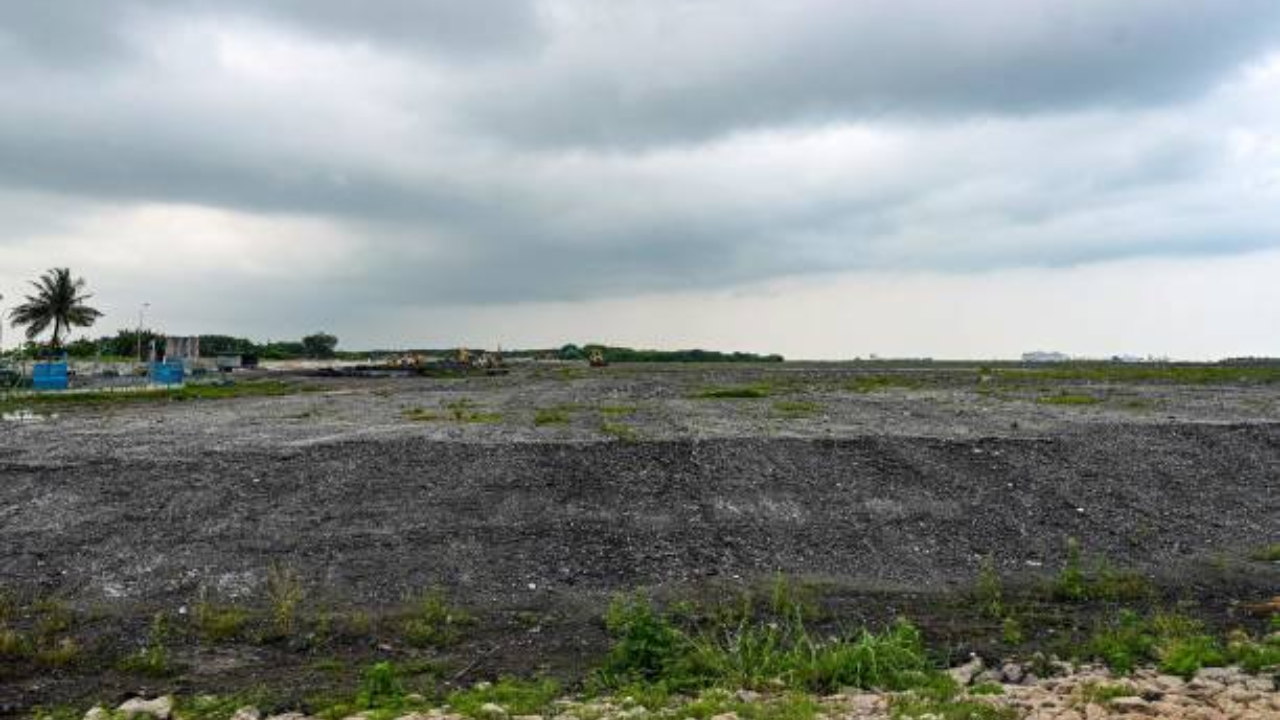
Eventually, grass and plants grow on the surface of the landfill, transforming it into a green expanse.
The system begins with burning waste. Singapore incinerates the overwhelming majority of its solid waste at waste-to-energy plants which do two jobs at once: generate electricity and shrink the garbage by up to 90%.
What is left after this is ash and other material that cannot be burned. That leftover, roughly a couple of thousand tonnes a day, is what goes to sea. Barges carry the incineration ash and non-burnable waste out to Semakau each night, where it is tipped into engineered cells and capped.
Eventually, grass and plants grow on the surface of the landfill, transforming it into a green expanse.This is also where engineering comes into play. Rather than piling fill on existing land, planners enclosed 350 hectares of sea between two small islands, Pulau Semakau and Pulau Sakeng, inside a seven-kilometre perimeter rock bund, a rock wall drawn around a patch of ocean.
The bund was lined with an impermeable membrane and a layer of marine clay, sealing the enclosed water off from the strait so that leachate, the toxic liquid that drains from any landfill, stays inside and gets treated on site rather than leaking into the sea.
Cells within the ring are pumped dry and filled with ash. Opened on April 1, 1999, Semakau became Singapore’s only landfill, and is expected to keep taking the country’s ash until 2035.
A growing land
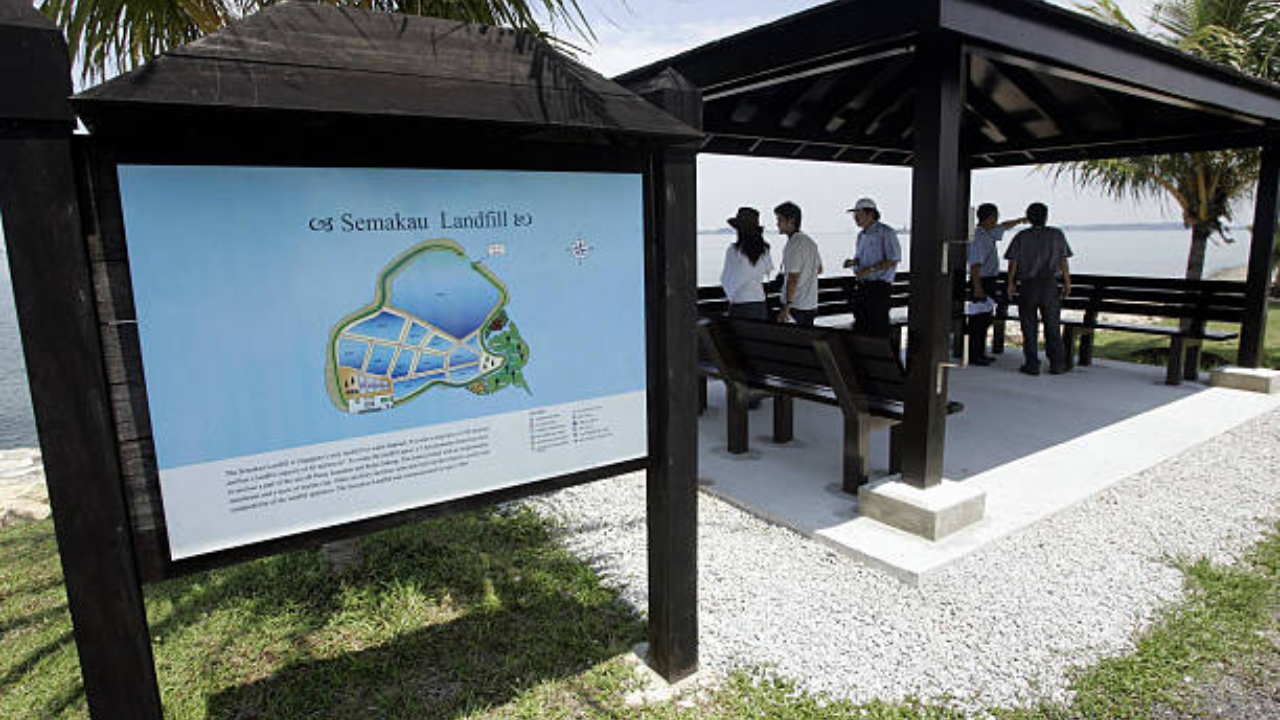
Visitors walk the reef flats at low tide, spotting starfish, octopus and living coral, on an island made of incinerated garbage.
What makes Semakau famous is that the marine life has survived not only around it, but also in it. While 13 hectares of mangrove were destroyed to raise the bund, ecologists and biologists were brought in to replant the mangroves at the disturbed sites as compensation. Around the landfill’s western shores, the original seagrass meadows, coral reefs and remaining mangroves were protected through construction and largely came through intact.
The result is a landfill fringed by functioning ecosystems: reefs, seagrass and mangroves rich enough that the intertidal flats host creatures now rarely seen on Singapore’s developed mainland.In 2005, the government transformed the landfill into a recreation site. Now, people can take guided intertidal walks, birdwatching, sport fishing and stargazing. Visitors walk the reef flats at low tide, spotting starfish, octopus and living coral, on an island made of incinerated garbage.While Semakau provides a solution for Singapore's waste, it is not a permanent one. In the end, it is a landfill that is filling up. Now, the country is researching ways to recycle incineration ash into construction material as the next step forward.