1 hour ago
2
1 hour ago
2

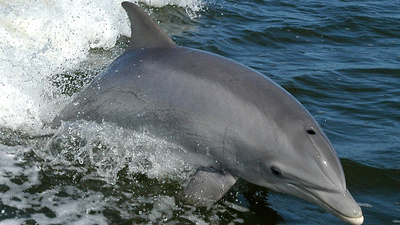
In 1865, the French government began paying people to kill dolphins in the Mediterranean Sea, offering twenty-five francs for each animal. Officials introduced the reward to protect fisheries, because fishing communities believed dolphins were emptying the sea of fish and tearing their nets.
A major review of bounty programmes, published in 2026, identifies it as the first recorded dolphin bounty. The story is an example of how people have tried to solve economic problems by paying citizens to kill wildlife, and of how often such schemes have produced consequences that nobody planned for. Here is what happened and what history teaches.
How the 1865 French dolphin bounty in the Mediterranean Sea paid twenty-five francs per animal
The French scheme worked like a classic bounty. The government offered a fixed cash payment, twenty-five francs, to anyone who killed a dolphin in the Mediterranean. The aim was to reduce dolphin numbers and, with them, the harm that fishing communities blamed on the animals. The review titled ‘Society’s struggle with unwanted species: what centuries of history reveal about species bounty programs’ documents the scheme does not report how many dolphins were killed in France, so the scale of the slaughter remains unclear.
Why fishing communities blamed dolphins for falling fish stocks and damaged nets
The researchers explain that perceived threats to local economies drove the bounty. Fishers saw dolphins as competitors for dwindling fish and as a danger to expensive nets. The word "perceived" matters here, because the review describes these bounties as targeting reported or believed damage, which was not always measured or proven. The review lists the dolphins in question as the species found in the Mediterranean, the common dolphin, Risso's dolphin, the striped dolphin and the common bottlenose dolphin.
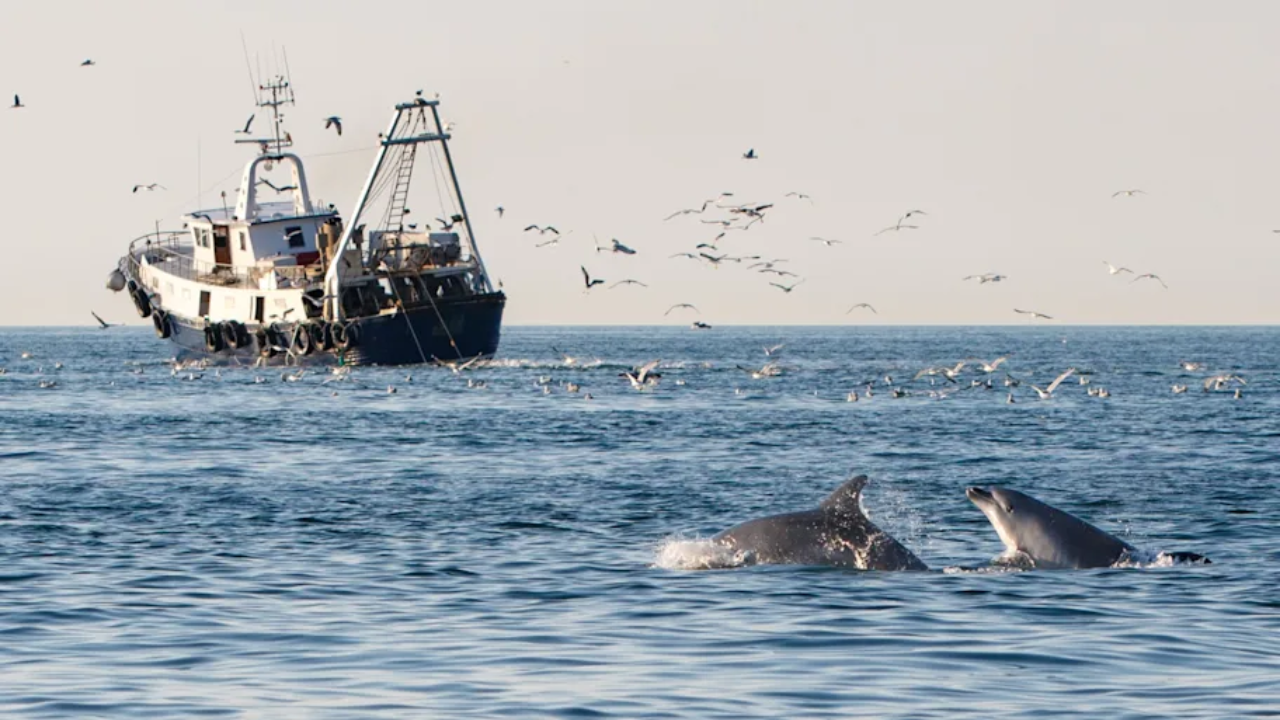
Image: Dolphin Biology and Conservation
Dolphin bounties spread to Italy, Croatia and Japan
France was not alone. The review also records dolphin bounties in Italy, Croatia, and Japan. In Italy in 1889, the government paid for each dolphin killed and authorised experimental use of bomb guns. Protecting fisheries was the common thread, the same motive that led to bounties on seals, pelicans, cormorants and even bald eagles in other parts of the world.
What a global review reveals about killing wildlife for cash
The dolphin bounty appears in the first global assessment of species bounty programmes, led by Julian D.
Olden and colleagues and published in the journal npj Biodiversity on 30 May 2026. Drawing on eight centuries of evidence, the team found at least 283 species targeted across 449 programmes in 60 countries. Mammals made up just over a third of the species, birds just over a third, and fish about one in nine.Marine animals were a small minority, around 8.5 per cent of the species, which makes the dolphin bounties unusual.
The authors caution that their count is conservative because sources in languages other than English are not fully represented.
Why bounty schemes often fail and shifting public opinion
The review draws five lessons, and several apply to any bounty:
- Motives vary: Programmes have been launched for economic, ecological and public health reasons, and fisheries protection is one of the economic motives.
- Design varies: Some schemes had clear goals and monitoring, while others simply counted kills.
- Unintended consequences are common: Bounties can kill non-target species or even help the target species recover its numbers.
- Fraud happens: In Hanoi in 1902, hunters cut the tails off rats and released them to breed, and in colonial Delhi people reportedly bred cobras for the reward.
- Public opinion shifts: Support often fades as animal welfare concerns grow, and one Australian pelican bounty ended abruptly after public outcry.
Lessons from the dolphin bounty for modern wildlife and fisheries management
The review notes a striking reversal over time. Of 260 animal species once subject to bounties, 22 are now classed as at risk or extinct by the International Union for Conservation of Nature, and another 16 are near threatened.
The thylacine, or Tasmanian tiger, is the most famous casualty, driven to extinction in 1936 with a bounty as a primary contributor.The authors do not claim there is a single answer about the future of bounties. Supporters see them as one useful tool, while critics say they can be costly, ineffective and a distraction from deeper causes such as habitat loss, pollution and climate change. The 1865 French dolphin bounty shows how long this debate has been running.