58 minutes ago
2
58 minutes ago
2

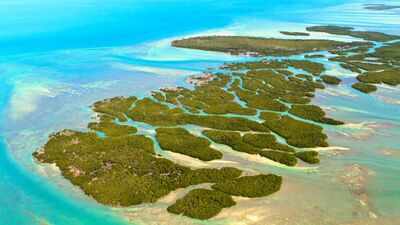
Representative image of Florida Keys from Canva
In 1956, a physician from Florida purchased a 7.9-acre island in the Keys at a federal auction, believing he had acquired a rare piece of private land where he could one day build a home.
The island, known as Snipe Key, came with residential zoning and a chain of title that traced back to the United States government. Over the next seven decades, regulations tightened, environmental protections expanded and local governments grew more cautious about development in sensitive coastal areas. The doctor’s heirs found themselves in a protracted legal battle over whether they could still build on the island they had inherited.
After years of litigation, appellate courts issued rulings in 2025 and 2026 that largely sided with the family, upholding their right to proceed with limited residential development. As reported by Florida Trend and documented in court records, the case has become a landmark dispute over property rights, environmental law and the legacy of old land grants in the Florida Keys.A private island in a protected archipelagoSnipe Key is a small, mangrove-fringed island in the Lower Florida Keys, west of Big Pine Key and near the National Key Deer Refuge.
The region is ecologically sensitive, home to unique species such as the Key deer, rare plants and extensive seagrass beds. Over the 20th century, much of the surrounding area came under federal or state protection, and development rules grew increasingly strict.When the doctor bought Snipe Key in 1956, the regulatory landscape was very different. The island was sold at a public auction by the United States government, with documentation indicating residential zoning and the expectation that a home could be built.
The family maintained that they purchased the island in good faith, with the understanding that it was a buildable residential lot like many others in the Keys at the time.Decades of changing rulesIn the 1970s and 1980s, Florida and the federal government introduced new laws aimed at protecting wetlands, endangered species and coastal resources. The Florida Keys National Marine Sanctuary was created, and Monroe County adopted comprehensive land-use plans that specified where and how houses could be built.
“Many small islands and lots once thought to be developable were reclassified as conservation areas or subject to strict permitting requirements.These changes created an increasing conflict for the heirs of the original owner. They owned Snipe Key, and believed they had a legal right to build a single-family home. But environmental concerns and changing interpretations of land-use rules made the island less and less attractive to local and state regulators for development.
The family’s applications for permits were denied or delayed, and they litigated to get what they thought was their vested property rights.The legal fight goes to courtThe dispute has bounced around local boards, state agencies and the court system for years. The family argued they had a vested right to build based on the original 1956 purchase, the residential zoning in place at the time and the fact that they had maintained the property and paid taxes for decades.
Regulators argued existing environmental laws and land-use plans should trump any historical zoning or expectations.In 2021, the Third District Court of Appeal in Florida issued a significant opinion in the case, often cited as 3D21-1987. The court examined the history of the property, the chain of title from the United States government and the various regulatory changes that had affected the Keys. The judges concluded that the family’s rights to develop the island had not been lawfully extinguished and that regulators could not simply deny building permits without addressing those vested rights.A 2025 decision that tilts the balanceFurther appeals and related proceedings continued into the mid 2020s. In 2025, the appellate court handed down another major decision upholding the earlier ruling. The court found that the heirs of the original owner maintained the right to seek residential development on Snipe Key, subject to applicable permitting processes but not foreclosed by later environmental designations.The ruling did not give the family carte blanche to build anything they wanted. It required them to work within current building codes, stormwater management rules and other standard regulations. But it did prevent local and state authorities from using later policy changes to completely block development on a lot that had been legally created and zoned for residential use decades earlier.Why the case matters beyond one islandThe Snipe Key decision has attracted attention far beyond a single 7.9-acre island.
Throughout Florida, property owners, developers and environmental advocates are watching how the courts balance the rights of owners with environmental protections of today.The case offers a possible route for owners of older parcels in sensitive areas to establish vested rights when new regulations appear to prohibit development. Conservationists worry that legacy parcels dating back to before current laws were in place could undermine long-standing environmental goals.
The ruling does not overturn environmental protections, but it does require regulators to more carefully consider the history and legal status of individual properties before denying permits.The human side of a long fightFor the doctor’s heirs, the legal victory is the culmination of a decades-long struggle that has spanned multiple generations. The original owner never built on Snipe Key, and the property passed to his children and grandchildren, who maintained it as a family asset.
Over the years, they paid taxes, kept the title clear and repeatedly sought permits to construct a modest home.Each denial or delay was not just a bureaucratic setback but a personal frustration. Family members have called it a matter of principle, saying they shouldn’t be punished for regulatory changes that came years after their family bought the land. The court decisions in their favour validate that perspective, even as the process has been costly and time-consuming.What happens next on Snipe KeyWith the legal path clearer, the family can move forward with plans for limited residential development. That process will still involve:Submitting detailed building plans to Monroe County and other relevant agencies.Complying with current codes for structures, utilities and stormwater management.To deal with all the remaining environmental permits for wetlands, mangroves or coastal construction.The development is expected to be modest, with a focus on a single-family home rather than a large resort or subdivision. Neighbours and local officials will continue to monitor the project to ensure it meets all applicable requirements.A reminder of the Keys’ complex land historyThe Snipe Key case also highlights the complicated history of land ownership in the Florida Keys. Before modern environmental laws, many islands were traded through federal auctions, railroad and highway land grants and private sales.
When protections expanded in the late 20th century, some of these older parcels got caught in legal limbo, caught between original expectations and new rules.Courts are increasingly called upon to resolve these conflicts, weighing the rights of private owners against the public interest in conserving fragile ecosystems. The Snipe Key rulings suggest that when the government itself sold land with residential zoning, it cannot later act as if that right never existed.A long wait, but not the end of the storySeventy years after a doctor bought a small island at auction, his heirs have won a hard-fought legal battle to preserve their right to build. The decision does not erase environmental concerns or open the door to unchecked development in the Keys. It does, however, affirm that property rights established decades ago still matter, even in one of the most regulated coastal environments in the United States.For the family, the ruling is both a vindication and a new beginning. After decades of uncertainty, they can finally plan a future for Snipe Key that honours their grandfather’s original purchase while respecting the modern reality of the Florida Keys. For others watching from similar islands and old lots, the case stands as a reminder that sometimes the longest fights are the ones that define the rules for generations to come.