2 months ago
45
2 months ago
45

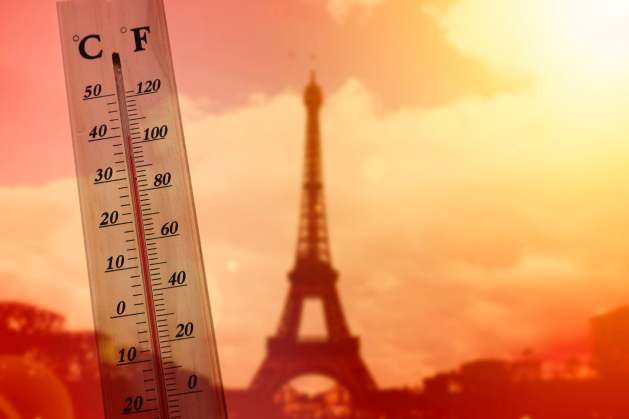 Whether it is the middle or working classes, or even the well-to-do, life can start to shrink in the face of extreme weather. Credit: Shutterstock
PARIS, July 3 (IPS) - If you pay close attention to the rhetoric regarding climate change (at least in those forums still allowed to use the term), there has been a disturbing emerging trend among some climate-concerned thought leaders, as epitomized by Bill Gates’s letter to COP30 last fall.
In it, Mr. Gates argues that climate change is principally a problem facing poorer countries: “Although climate change will have serious consequences – particularly for the people in the poorest countries – it will not lead to humanity’s demise. People will be able to live and thrive in most places on Earth for the foreseeable future.”
In many ways, Mr. Gates is correct: the people living in the poorest countries are particularly vulnerable to climate change, and the Earth will continue to be able to support humanity for decades and more. But what the recent record heat wave across Europe has served to remind those of us in more affluent countries is that there are different ways of living — and that living under a heat dome of near-40-degrees Celsius (over 100 degrees Fahrenheit) can stop us from thriving.
Whether it is the middle or working classes, or even the well-to-do, life can start to shrink in the face of extreme weather. It was ironic (perhaps the better word is sad) to see a number of events during London’s Climate Action Week cancelled because of soaring temperatures.
Staying home often becomes the best option, but it only really works as a refuge if you can afford air conditioning.
Those without need to hope to find the rare air-conditioned mall or other commercial space to escape to.
Probably the only ones who remain impervious to surging temperatures are the very rich who can jump on a plane at a moment’s notice to flee to another part of the globe that isn’t facing a heat wave. And all the while, the high temperatures and resulting surge in air-conditioning demand are putting a severe strain on Europe’s electricity grids, raising the possibility of even more disruptive blackouts.
Some analysts have argued that this record heat wave is being driven by the accumulation of high levels of CO2 in the atmosphere generated by the burning of fossil fuels. The analysis linking this particular heat wave to fossil fuel use is complex and beyond my competence (I am an energy expert, not an atmospheric specialist).
However, what is clear from scientists is that we can expect more of these types of extreme weather events as we continue to pour massive amounts of additional CO2 into our atmosphere from the combustion of fossil fuels (currently, over 35 gigatons each year).
Distressingly, climate change will mess with our lives in many ways beyond extreme heat. From wildfires that burn businesses and homes (including of the wealthy as last year’s fires in Hollywood showed), to higher winds that knock down electricity poles and trees, to reoccurring flooding that ravage towns (as Germany has experienced), to an uptick in heat-related deaths and other climate-related health risks, all the while simultaneously slowing economic activity as nature wreaks havoc on the normal ordering of our lives, jobs and economies. It may not add up to a climate apocalypse, but it is far from a minor inconvenience simply to be ignored.
And importantly, as the old Bachman-Turner Overdrive song says, when it comes to the destructive power of climate change, “You Ain’t Seen Nothing Yet.” Indeed, we can expect worse in the future if we don’t curtail greenhouse gas emissions.
Yes, climate change will have a particularly severe impact on the world’s poorest countries. In that regard, Mr. Gates is totally correct. But this recent European heat wave points to how climate change is also a menace to wealthier countries … today and more so tomorrow when rising CO2 emissions drive even more frequent and severe weather events.
So, when politicians and pundits try to limit the impact of climate change to the world’s poorest, or worse, try to wipe it out of our political and policy discourse, let us remember these past weeks and that, aside from the uber rich, climate change is a threat to all.
Philippe Benoit is managing director for Global Infrastructure Advisory Services 2050, specializing in international energy and climate issues.
© Inter Press Service (20260703165417) — All Rights Reserved. Original source: Inter Press Service