5 hours ago
3
5 hours ago
3

Ed Sheeran has sponsored music initiatives in schools and libraries
Public libraries around England will become "music lending spaces" offering free studio space and performance opportunities, under new government plans to boost the UK music industry.
The initiative was inspired by Ed Sheeran's charity, which has funded similar schemes in libraries and youth centres, as well as offering instrument loans to aspiring musicians.
Sheeran championed the scheme to Culture Secretary Lisa Nandy last year, as they visited the non-profit arts organisation Brighten The Corners, in Ipswich.
She has now secured at least £12.5 million for a Music in Libraries initiative - co-designed by Sheeran - which will pay for recording booths, mixing desks and other equipment.
Musician and broadcaster Guvna B, who got his start in a local church, says the scheme could be crucial for musicians from underprivileged backgrounds.
"If you look at libraries, they're places that young people are familiar with," he said.
"They feel safe there, and they're going to feel free to create good stuff in an environment they're comfortable in."
The musician, who is also co-chair of the charity Youth Music, stressed that access to music is a key part of tackling the rise in mental health conditions amongst young people.
"Something that's often underestimated about music is just how it helps people deal with difficult situations in their life and express themselves," he said.
"You don't all have to be headlining the O2 Arena or Wembley Stadium. Sometimes it's enough for a kid in a bedroom in Scunthorpe to pick up a guitar and just express themselves. What that does for a young person's mind is second to none."
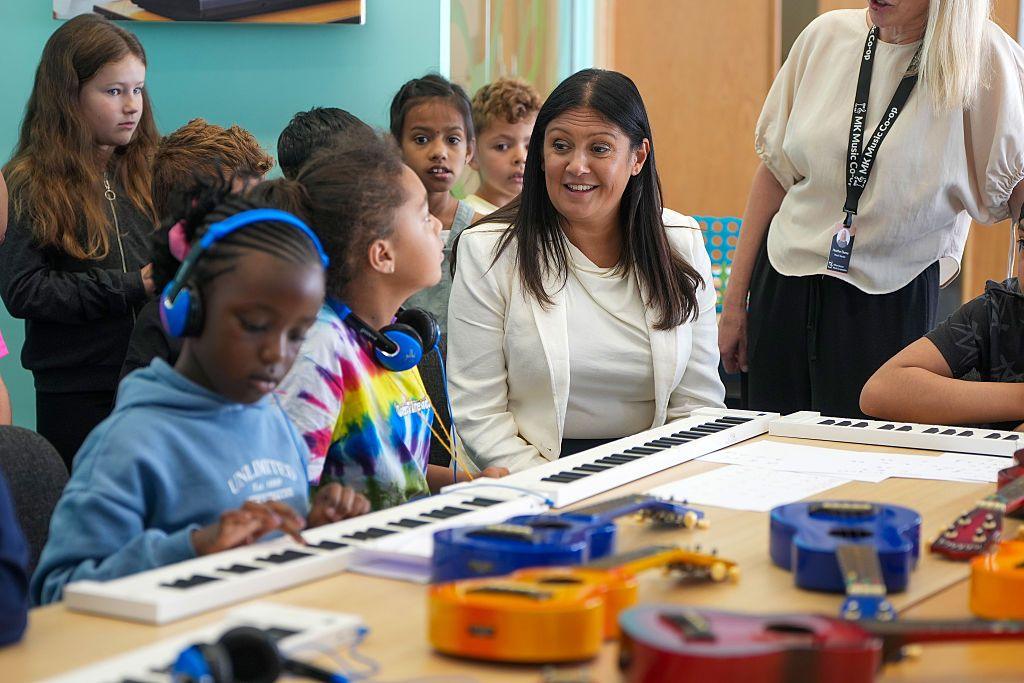 Image source, Getty Images
Culture Secretary Lisa Nandy hopes the new scheme will open up careers in music to those who might not have considered it an option
After her visit to Ipswich last year, Nandy described the town as a "model" for upcoming musicians, with "an entire ecosystem" dedicated to nurturing new talent.
The government hopes to replicate that elsewhere, with a music plan that aims to provide mentoring for artists and promoters, as well as cutting red tape for music festivals and small venues.
An extra £15 million will be allocated to the pre-existing Music Growth Package, which is intended to help emerging artists break through at home and internationally.
The government says it will also relax licensing restrictions for music events, and offer longer contracts to music festivals, to make their future more secure from year to year.
In a statement, Nandy framed the changes as a way of making the £8bn music industry more accessible.
"As the song says, 'Every generation throws a hero up the pop charts.' But pop is getting posher, and that must change.
"We believe music belongs to everyone, not just the privileged few."
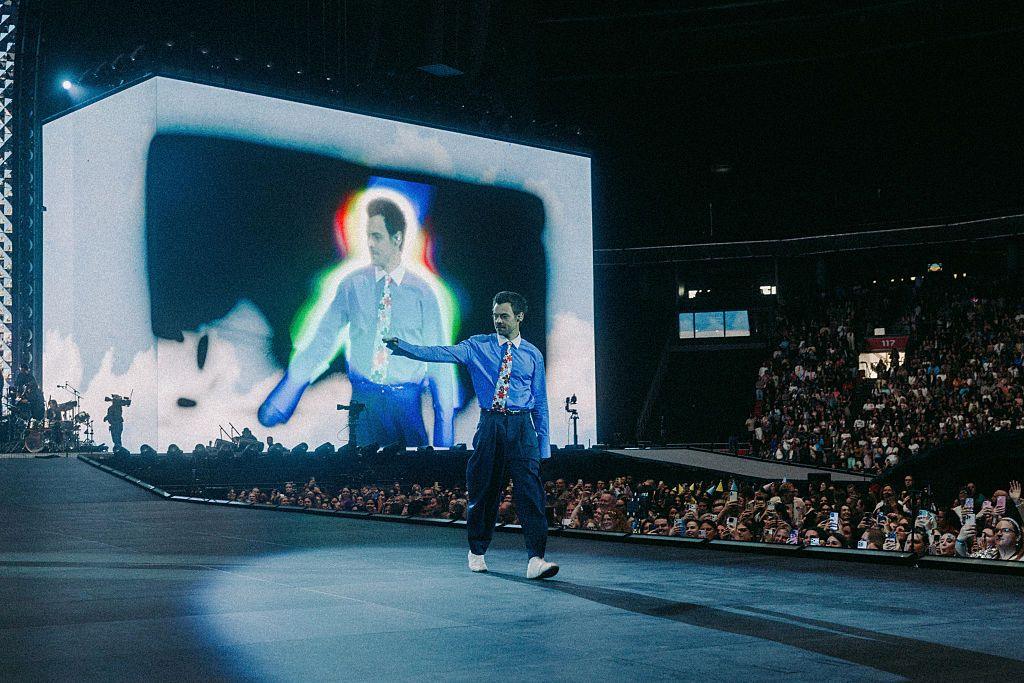 Image source, Getty Images
Harry Styles has raised almost £1m for grassroots venues and emerging artists with his 12-night residency at Wembley Stadium
Separately on Monday, the LIVE Trust announced a £1 million funding boost for UK grassroots live music.
The money has been raised by a £1 levy on sales for stadium and arena concerts by artists such as Sam Fender, Wolf Alice and Harry Styles - with the aim of supporting up-and-coming stars and the venues that host their early gigs.
Since it was established in January 2025, the trust has supported more than 100 artists, venues and promoters.
Among the recipients is Sheffield folk singer Jim Ghedi, who was able to tour his brooding 2025 album Wasteland to a wider audience as a result.
"This funding has had a huge impact," he said. "It enabled me to take the full band out with me, as a four piece, and cover accommodation and travel costs without me having to lose a significant amount of money.
"It also enabled me to do two gigs in Cornwall which wouldn't have really been possible without this funding, due to travel costs making that unviable."
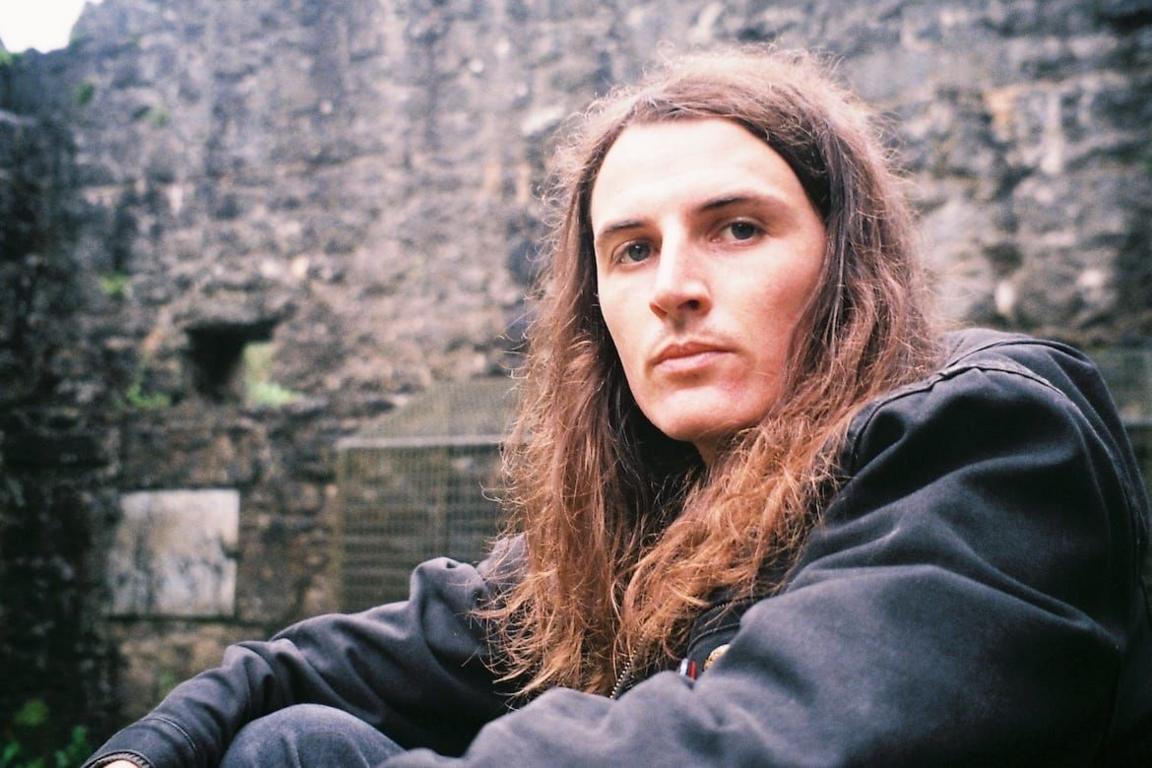 Image source, Amelia Baker
Jim Ghedi is one musician who's been able to expand his tour due to the Live Trust's funding
The funding comes at a time when the grassroots scene is increasingly under pressure. On average, three nightclubs close every week. More than half of small music venues make no profit.
Alt-J musician Gus Unger-Hamilton - who is also a director of the Featured Artists Coalition - said that funds like the Live Trust are the way forward.
"The whole ecosystem is really struggling," he said.
"The problem is that we're seeing this widening gap now between stadium and arena touring and grassroots touring.
"Concert tickets are costing more and more and more money - often north of £100 for a pretty average seat to watch a pop star, and that means that people have less money to spend on going to watch live music.
"So that in turn is causing the smaller music scene to kind of shrivel because so much money is going into these big arena shows.
"So it's really fantastic that now artists playing these big gigs are able to support the grassroots, which is where they all came from.
"It makes the ecosystem much more healthy."
Responding to the government's updated music plan, the music industry said it was "very excited to be working with" ministers to improve access and opportunities for young musicians.
"But there's always more that can be done," said Tom Kiehl, chief executive of UK Music.
"There's a number of areas like artificial intelligence [and] EU touring, as well as music education - we really need to make sure that's improved.
However, he added, the new plan provided a "solid foundation" for the music industry and the government to "work on these challenges together".