1 hour ago
2
1 hour ago
2

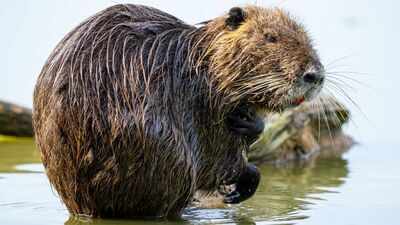
Nutria (representative image)
California once believed it had beaten nutria. The invasive semi-aquatic rodents had been wiped out in the state by the late 1970s, but decades later they reappeared in the Central Valley and a new genetic study suggests their return was not an accident of nature, but the result of human reintroduction.The finding matters because nutria are not just another nuisance species. They can damage wetlands, weaken levees, and destroy native vegetation and crops, which is exactly why California has spent years trying to remove them again.
What nutria are
Nutria, also known as coypu, are large South American rodents that are built for water. Adult nutria typically weigh about 15 to 20 pounds, have a stout body, partially webbed hind feet, and a heavy rat-like tail covered in bristly hairs.They are often mistaken for beavers or muskrats, but nutria are a separate species with their own ecological problems. USDA describes them as semi-aquatic animals that thrive in marshes, canals, rivers, drainage ditches and other water-rich habitats.
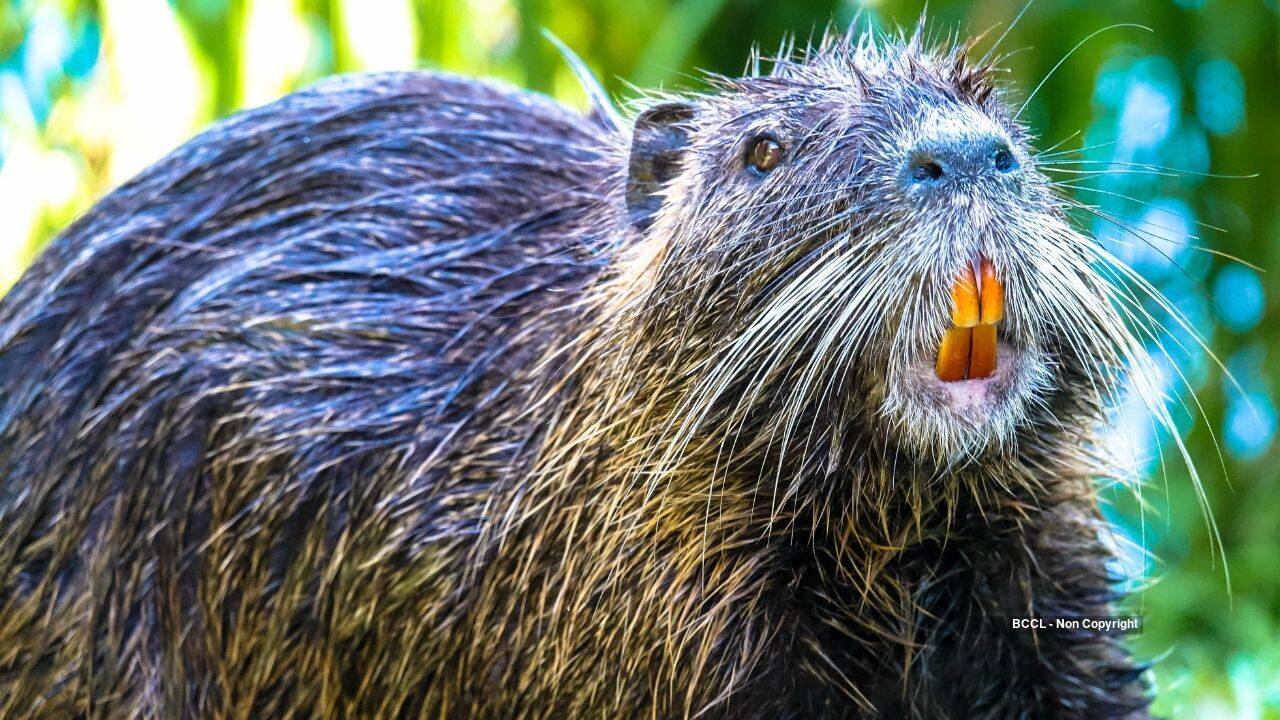
Nutria
Why they became a problem
Nutria were first brought to the United States in the late 1800s for their fur, and when the fur market collapsed, many escaped or were released into the wild. USDA says they spread widely after that and now occur in at least 20 states, where they can cause serious ecological and agricultural damage.
Their feeding and burrowing habits are the main issue. Nutria eat the roots and underground parts of wetland plants, which weakens soil structure and can convert healthy marsh into open water. They also damage crops such as rice and sugarcane, and their burrows can undermine levees, stream banks, roadbeds and flood-control structures.
The California reappearance
California had already carried out eradication efforts and was considered free of nutria by the late 1970s.
Then, in 2017, officials found a pregnant nutria in Merced County, followed by more sightings as the animals spread through wetland and riparian areas.That sudden reappearance raised an obvious question: were these the descendants of a few animals that somehow survived unnoticed for decades, or was there a newer source? The California Department of Fish and Wildlife (CDFW) set out to answer that by comparing modern DNA with historic specimens from museums, universities, and even an old taxidermy mount.
What the DNA showed
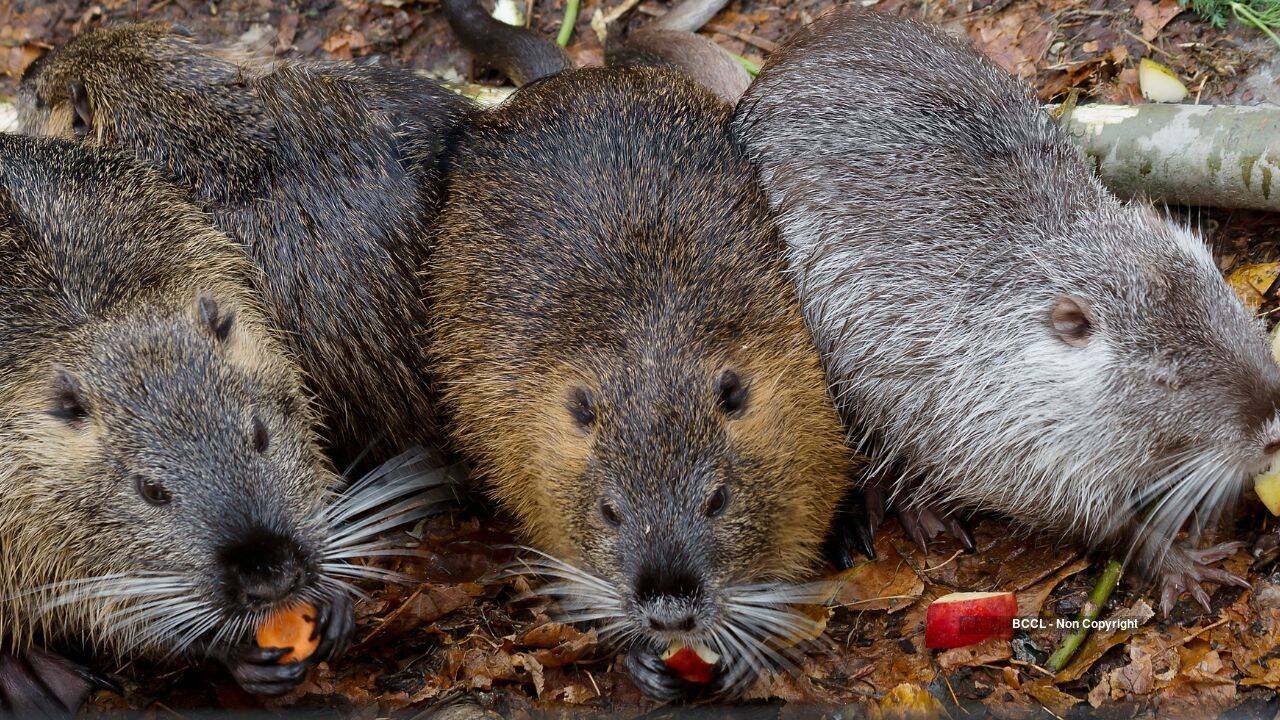
Once eradicated from California, Nutria are now back
The genetic evidence pointed in a striking direction. CDFW found that the nutria living in California today are most closely related to a population in central Oregon, not the animals that once lived in California before eradication.Even more telling, historic California nutria represented multiple maternal lineages, while the current population traces back to a single lineage. That pattern fits a recent reintroduction far better than a hidden remnant population that quietly survived for 40 years.Officials say the most likely explanation is intentional reintroduction, although the responsible person and motive remain unknown. CDFW specifically says it can only speculate about why anyone would move such a destructive invasive species.
Why researchers think it was human-made
The geography makes the case stronger. California officials said it is extremely unlikely nutria could have moved naturally from Oregon to the Central Valley without being noticed along the way.
There are no known nutria populations in the areas in between, which makes human transport the most plausible explanation.That conclusion is important because it changes the way managers think about prevention. If the current invasion came from a deliberate or accidental move by people, then biosecurity is just as critical as trapping and removal.
Why nutria are so hard to manage
Nutria reproduce quickly, live in water, and can spread fast once established.
USDA notes that their high reproductive rate and lack of natural controls have helped them expand across the United States.In California, eradication has become expensive and labor-intensive. CDFW says the state is spending about $5 million a year on nutria control, and more than 7,800 nutria have been removed since 2017.The work is happening across hundreds of thousands of acres in the Sacramento-San Joaquin Delta and Central Valley, where teams use cameras, visual surveys and scat-detection dogs to locate animals before trapping them.
The damage they cause
Nutria are especially destructive in wetlands because they eat the plants that hold marsh soils together. Once those roots are gone, erosion accelerates and the landscape can shift from healthy marsh to open water.That loss matters far beyond the rodents themselves. Wetlands provide habitat for birds and fish, buffer storms, and help protect coastal and inland areas from flooding. When nutria damage those systems, the impact can last long after the animals are removed.USDA also notes that nutria can damage crops, ditches, dams, reservoirs and even building foundations through burrowing. In some places, the species has become a constant maintenance problem for farmers and water managers alike.
Why the study matters
The California study is useful because it shows how genetics can answer questions that field observations alone cannot. A population can look like a comeback from a long-ago eradication failure, but DNA may reveal a much more recent human-assisted introduction.It also gives wildlife managers a better toolkit for future work. By building a global reference dataset, CDFW says researchers can compare nutria populations across regions and trace invasion pathways more accurately.That kind of evidence can shape how states respond to invasive species. If managers know where an invasion likely came from, they can focus inspections, tighten transport rules and try to stop the same mistake from happening again.
The bigger lesson
Nutria are a reminder that invasive species management is not only about removal. It is also about prevention, enforcement and understanding how people move wildlife across landscapes.California’s current nutria problem appears to be the result of someone moving animals where they did not belong. The identity of that person is still unknown, but the ecological damage is very real, and the DNA evidence makes one thing clear: the rodents did not simply return on their own.