1 hour ago
4
1 hour ago
4

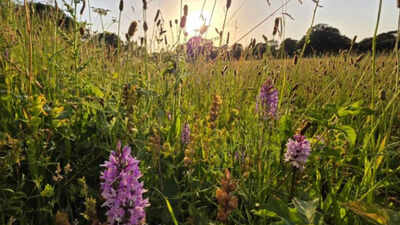
Abandoned farmland restored to wildflower meadow without sowing seeds
A five-acre piece of Norfolk (England county) farmland left to recover naturally has turned into a stunning wildflower meadow. It showed that nature acan rebuild lost habitats without the need for expensive commercial seed mixes.
And that mother nature always finds a way.The former farming field, which was abandoned in 2005, was studied by researchers from University College London (UCL) for more than a decade. Apart from a traditional yearly hay cut, no other human action was taken on the land.Published in the journal Restoration Ecology, the study shows that grasslands rich in plant species can fully recover within just 10 to 15 years. The findings challenge current government-funded conservation policies, which often support actively planting commercial seeds, deep ploughing, and removing topsoil to create wild areas.
A natural resurrection in Norfolk, England
The UK has lost more than 90 per cent of its wildflower meadows since World War II. These habitats are important for declining pollinating insects, birds, and small mammals. With large areas of low-productivity farmland now being taken out of farming across the UK and Europe, finding affordable and effective ways to restore biodiversity has become a major priority.The study site, known as Sayer’s Meadow, is located in the village of Bodham in North Norfolk. The land belongs to Derek Sayer, a co-author of the research paper and the father of the study’s lead researcher, Professor Carl Sayer from UCL Geography.
After harvesting a final crop of oilseed rape in 2005, the family decided to stop farming the field because the heavy clay soil was extremely difficult to drain."The field belongs to my family, and after an oilseed rape crop in 2005 we stopped farming it as the land was difficult to drain. I really wanted a wildflower meadow and all advice was to seed it, but I resisted the temptation, as I have always been interested in nature’s ability to recover itself," Professor Sayer said.Instead of spending money on expensive seed mixes, the family chose to wait and allow the field to recover naturally. The only management method used was a traditional late-summer hay cut. The cut plants were collected and removed each year to stop nutrients from building up in the soil.
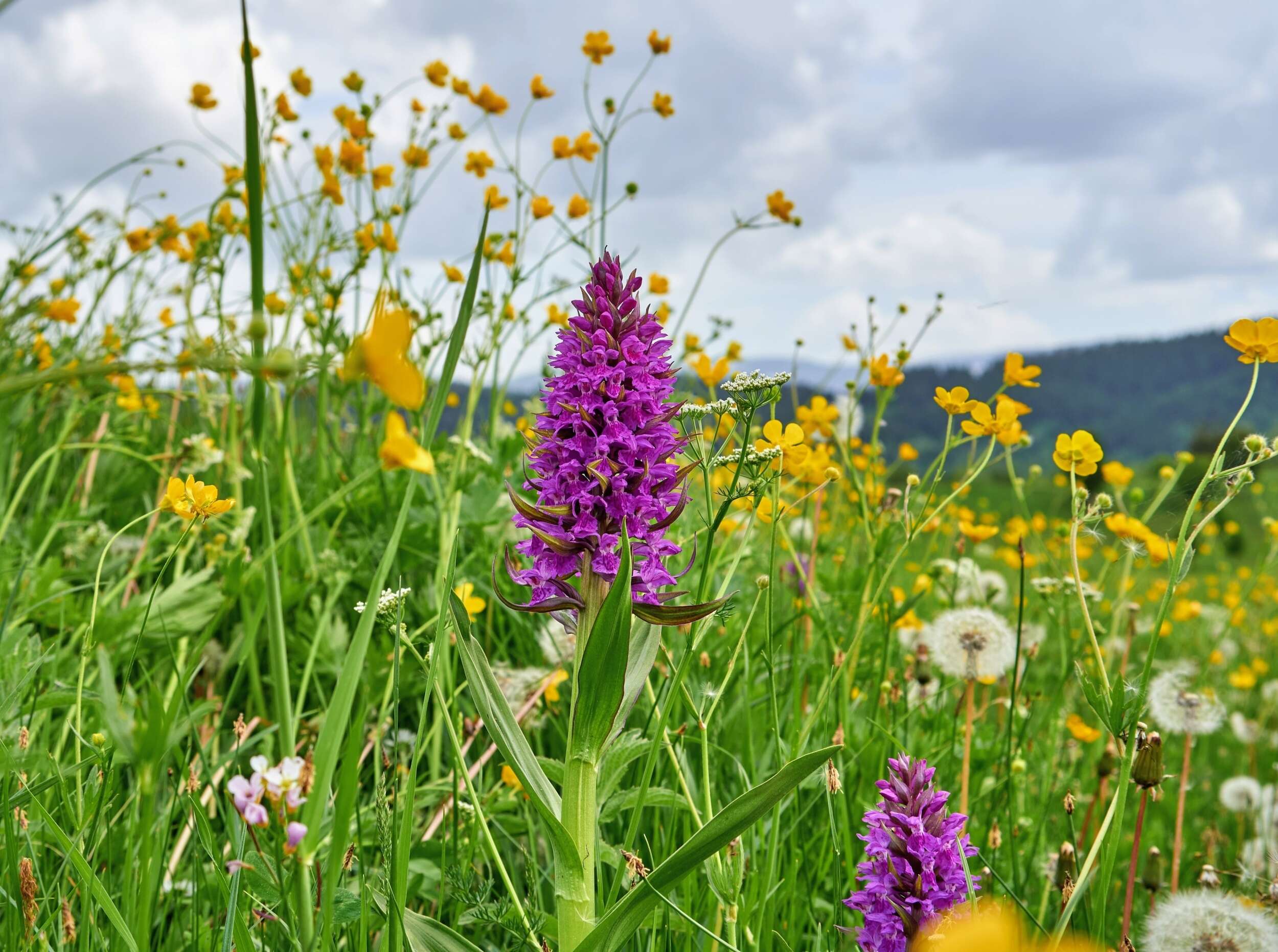
Wildflower meadow returned without planting a single seed
Tracking the return of rare species
To record the return of wild plants, Professor Sayer and his friend Pete Robinson carried out detailed plant surveys every two to three years between 2011 and 2022.
They carefully walked across the entire field, recording every plant species they found. They also carried out detailed checks inside 24 permanent one-metre-square plots placed along two fixed lines across the meadow.The results showed a steady increase in plant diversity every year.In 2011, each survey plot contained an average of around 10 different plant species. By 2022, this number had increased to almost 20 species per square metre.During the decade of monitoring, several locally rare plants appeared in the field. These included greater tussock-sedge, common centaury, yellow rattle, and the southern marsh orchid.During the early years of the study, researchers carefully recorded the GPS locations of individual orchids and yellow rattle plants. These species are important signs of healthy, developing meadow ecosystems. Eventually, the plants became so common that counting each one separately was no longer possible.
The secret travel of seeds, and how animals helped in the process
One of the biggest questions about Sayer’s Meadow is how some rare and sensitive plants managed to reach the site. Several of the species that appeared in the field have no known populations nearby.The research team believes that wild animals, especially deer moving through the Norfolk countryside, may have carried the seeds into the field on their fur or hooves. These animals acted as natural carriers, helping restore the habitat.This natural approach to restoration has important ecological benefits compared with artificial planting. Commercial seed mixes can introduce plants with genetics from other regions, which may weaken the natural strength of local populations. By allowing seeds to arrive naturally, plants are more likely to be suited to the local soil and climate."Our study shows that resisting seeding and allowing nature to lead may be worth trying a lot more in wildflower meadow restoration.
Natural plant recovery better safeguards genetic diversity than seeding and ensures that local species thrive, making meadows less generic. As things stand the UK needs nature recovery fast, at big scales. In the push to achieve this goal our study poses the question: should we be employing patience over seed packet more often?" Professor Sayer said.
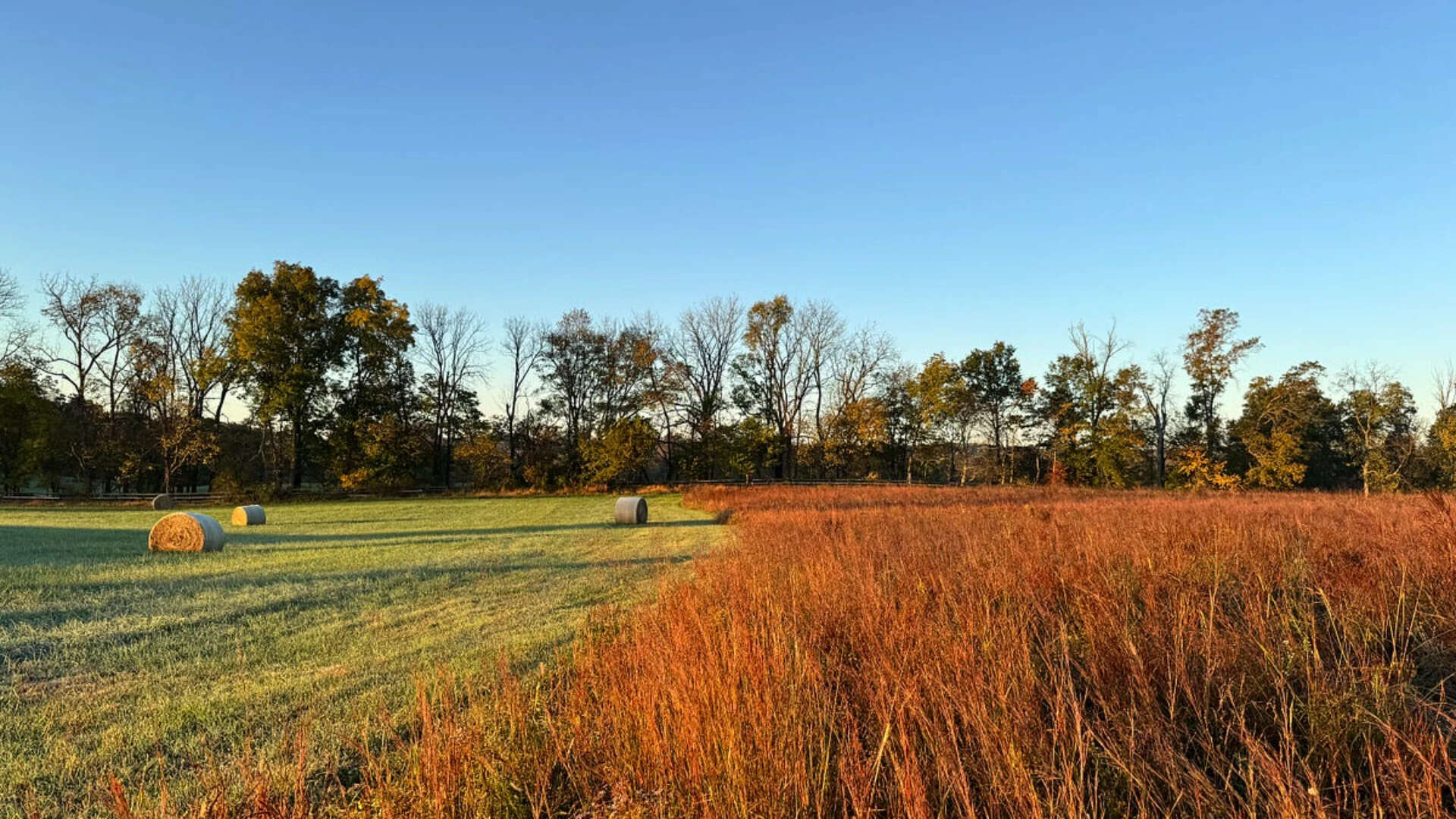
From hayfield to native meadow
Allowing nature to lead on it's own
Traditional grassland restoration is often an expensive and intensive process.
Conservation groups frequently use heavy machinery to remove nutrient-rich topsoil or deep plough the land before spreading commercial seed mixtures.The success of the Norfolk experiment suggests that these disruptive and costly methods are not always required. By simply stopping farming and continuing with an annual hay cut, land managers can create highly diverse habitats at a much lower cost.For local authorities with limited budgets and farmers looking to move towards environmental subsidies, the seed-free method provides a practical model for restoring nature on a large scale.
But it is important to note that such a huge-scale natural process takes a lot of time.Beyond reducing costs, the meadow has also become a valuable part of the local community. It shows that environmental recovery can work alongside village life."When the first orchids started appearing in our surveys, we were thrilled and now the meadow is unbelievably diverse, with thousands of orchids that delight locals in the village. Our study shows what can be achieved by a traditional hay cutting approach combined with nature’s brilliant spontaneity. A visit to the meadow is like stepping back through time," Professor Sayer said.