9 hours ago
4
9 hours ago
4

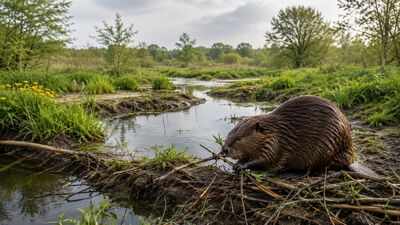
For generations, the sound of a beaver working along an English waterway was something found only in history books. The animals that once shaped rivers and wetlands across Britain disappeared after centuries of hunting, leaving behind only traces of their former presence.
Now, a new chapter has begun in Dorset, where wild beavers have been released into a nature reserve for the first time. The move marks a significant step in efforts to restore a species that once played a major role in Britain’s natural landscapes. The animals have been given space to live without fences or artificial boundaries, allowing them to create habitats in the way beavers naturally do.
After 400 years, beavers return to restore Britain’s wetlands
After 400 years, beavers return to restore Britain’s wetlands.Two pairs of beavers have been released at Little Sea Lake in Studland, on the Isle of Purbeck, Dorset. Unlike earlier projects that kept animals within enclosed areas, this release allows the beavers to move freely through the landscape.As reported, 28 February 2025 marks a historic day for nature recovery in England: the Government has announced its commitment to reintroducing beavers - ‘Wild release and management of beavers in England’.
As reported by the BBC, the animals were transported from the Tay catchment in Scotland by the Beaver Trust, a conservation organisation involved in restoring beaver populations across Britain. Their arrival follows a change in government policy that supports carefully managed wild releases of beavers in England.Beavers disappeared from Britain several hundred years ago, largely because they were hunted for their fur, meat and castoreum, a substance produced by their scent glands that was once used in traditional products.
Their absence changed the way many wetlands functioned. Without beavers creating dams and altering waterways, landscapes lost one of their natural engineers.
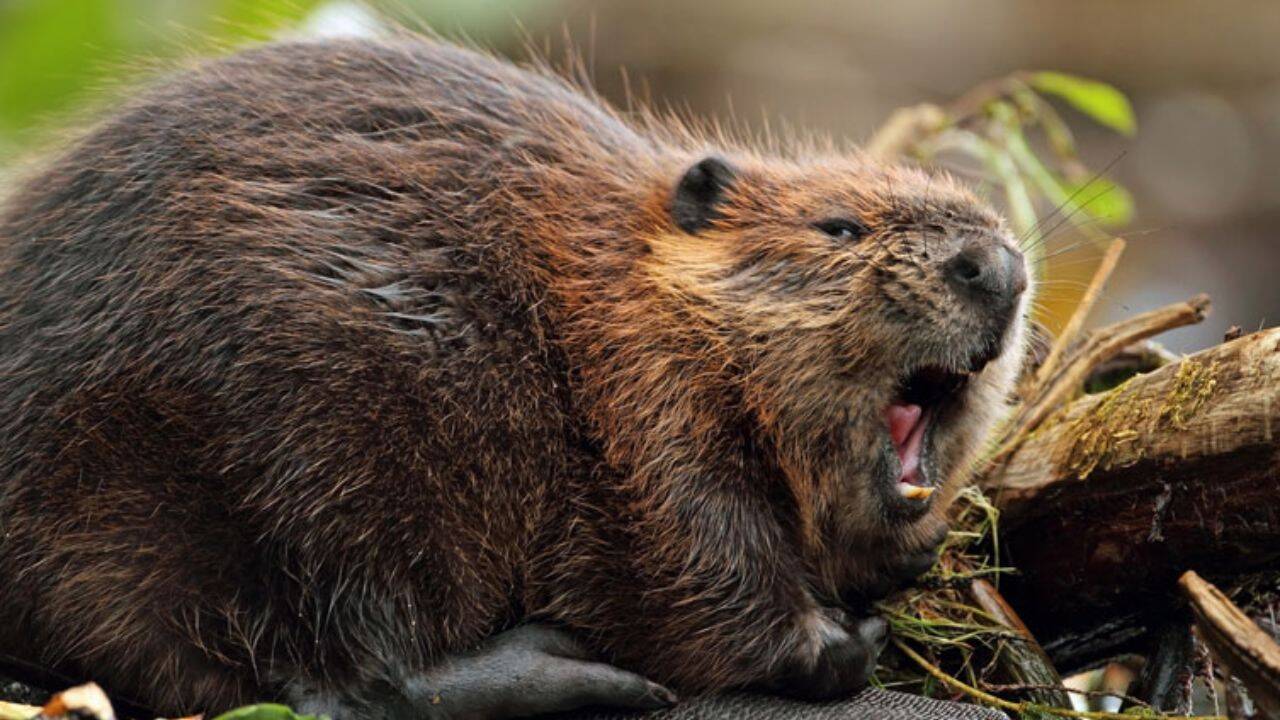
PC: NHM
Why conservationists want beavers back
Beavers are often described as ecosystem engineers because of the way they transform their surroundings. By building dams and digging channels, they slow the movement of water and create ponds and wet areas that can provide habitats for insects, birds, amphibians and other wildlife.In Dorset, conservation groups hope the animals will contribute to improving wetland conditions around the area and support healthier waterways connected to Poole Harbour.Tracey Churcher, who manages the National Trust’s Purbeck landscape, said restoring wetlands was an important part of rebuilding ecosystems that have been heavily altered over time. The National Trust, which is leading the licensed release, said the return of wild beavers represented a major moment in the long history of the species in Britain.
Britain’s beaver comeback brings both ecological benefits and new concerns
The return of beavers has also raised questions among some landowners and communities. While their ability to reshape landscapes can benefit nature, their dams can sometimes affect farmland, roads and nearby properties. There have also been concerns about damage to certain crops, including maize and cricket bat willow, in areas where beavers are present.Government officials have said future releases will be carefully managed, with support available for communities adapting to the animals’ return.
Conservation groups involved in the Dorset project say practical measures, such as working with landowners and responding to problems when they appear, will be important for making coexistence possible.
A growing presence in Britain’s waterways
The Dorset release follows the gradual return of beavers to parts of Britain. In recent years, small wild populations have become established in several locations, including areas where animals have been introduced through conservation programmes.Two beavers were spotted at Little Sea in January 2024 before the official release, with experts suggesting they may have travelled from other Dorset waterways where wild populations already exist or may have come from an earlier unofficial release. The project aims to create a stable population in a landscape where beavers historically lived.Natural England chief executive Marian Spain described the release as an important opportunity for the species to thrive in the wild once again.
The future of beaver restoration
The Beaver Trust says it expects more potential release sites to be considered as interest in restoring beavers continues to grow.The Dorset project will be closely monitored to understand how the animals affect the landscape and how communities respond to their presence.For a species absent from Britain for centuries, the return is not simply about bringing back an animal. It is also about restoring the natural processes that disappeared when beavers did. Their dams, ponds and waterways may once again become part of the British countryside.