5 hours ago
6
5 hours ago
6

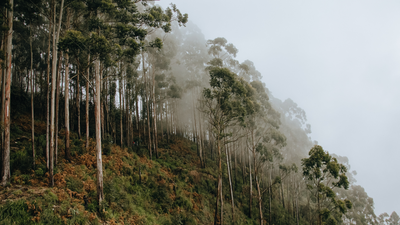
Brazil’s eucalyptus industry was built on a simple promise: grow trees quickly, harvest them for pulp and create a renewable supply for the global paper industry. Over decades, however, the enormous plantations have transformed landscapes across parts of the country, raising concerns about what happens to water beneath the trees.
In one eucalyptus-growing region of Minas Gerais, scientists found that groundwater levels had fallen by 4.5 metres over about 45 years. The discovery has added weight to concerns from rural communities that say streams have weakened and water has become harder to find. In Bahia, where vast plantations supply the pulp industry, residents have even described the landscape as a “green desert”. The story highlights a difficult environmental question: can forests planted for industry remain sustainable when they occupy huge areas and alter how rainfall moves through the landscape?
How eucalyptus transformed Brazil’s landscape
Brazil has become a global powerhouse in eucalyptus production because the tree grows rapidly and provides an efficient source of fibre for pulp and paper.
Vast plantations now cover parts of states including Bahia and Minas Gerais, supplying both domestic industries and international markets. The commercial appeal is clear: eucalyptus can be harvested relatively quickly and replanted, allowing companies to maintain a continuous supply of wood.
But replacing diverse vegetation with enormous areas of the same fast-growing species can change the behaviour of an ecosystem.
Natural forests contain many layers of vegetation, while intensively managed plantations are designed primarily for timber production. In Bahia, residents have described extensive eucalyptus plantations as a “green desert”, reflecting concerns about biodiversity, farming and water.
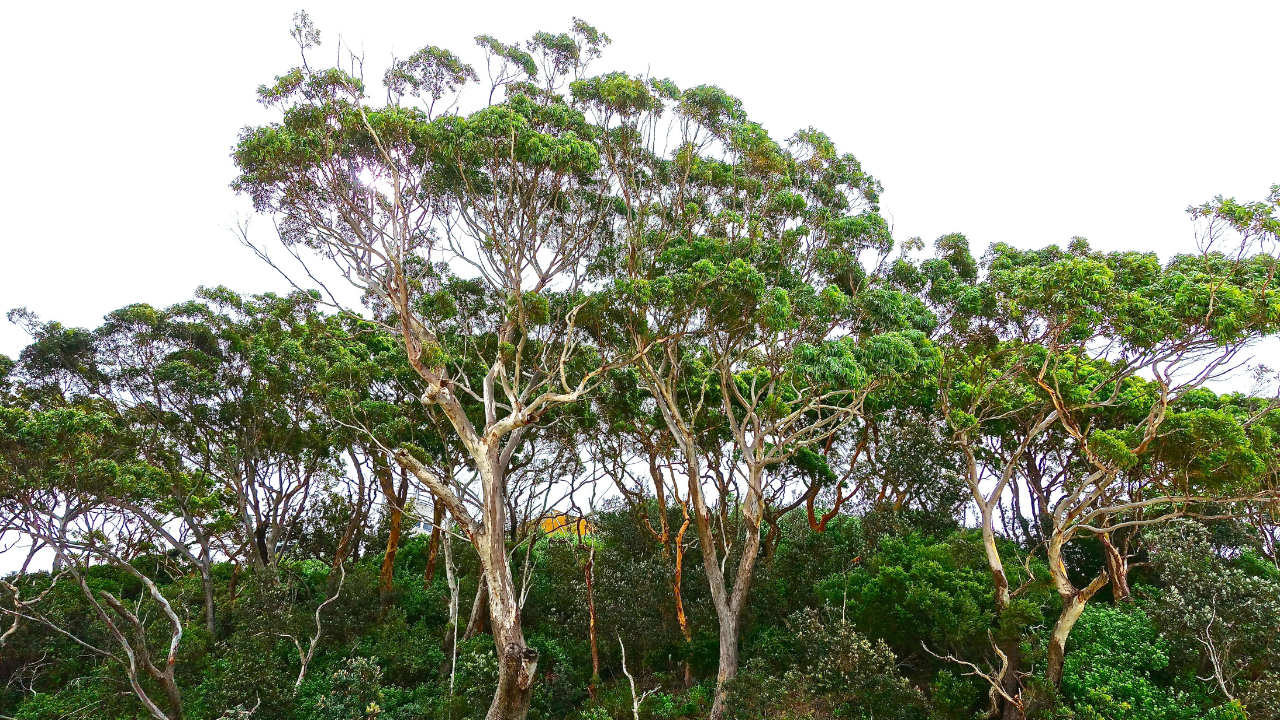
Groundwater fell 4.5 metres over 45 years (Image: Canva)
Groundwater fell 4.5 metres over 45 years
The most striking evidence comes from Turmalina, in Minas Gerais, where researchers found that groundwater levels had declined by 4.5 metres over roughly 45 years.
The finding is particularly significant because groundwater is a crucial reserve for people and ecosystems, especially during periods when rainfall is limited. The relationship between eucalyptus and groundwater is complex. Trees draw water from the soil and release it into the atmosphere through evapotranspiration.
At the same time, rainfall that reaches the ground can either run off, be absorbed by vegetation and soil, or eventually replenish underground reserves. Large-scale changes in vegetation can therefore affect the balance between these processes. Research titled ‘Metamorphosis of the plateau: eucalyptus monoculture and land and water grabbing in Alto Jequitinhonha, Minas Gerais’ found substantial differences in groundwater recharge between eucalyptus-dominated landscapes and native vegetation.
The figures do not mean every eucalyptus plantation produces the same result, but they show why long-term water monitoring matters.
Farmers say rivers and water sources have changed
For communities living alongside plantations, the debate is about more than scientific measurements. Residents in Bahia have described changes to local water sources and landscapes following the expansion of eucalyptus. The Guardian reported the experience of Ercilio Souza, a founder of the Baixa Verde settlement, who recalled a local river once being sufficiently full for people to cross by canoe.
Residents have connected the river's decline with the expansion of eucalyptus plantations, including those associated with Veracel Celulose.
Veracel disputes the idea that its plantations simply replace natural landscapes without safeguards. The company says it follows a “mosaic management system”, combining eucalyptus plantations with protected areas, valleys, springs and native vegetation. It also says it monitors watersheds and undertakes restoration projects.
The competing accounts demonstrate why the issue remains complicated: local observations, scientific measurements and corporate environmental practices all need to be considered when assessing the true impact.
The bigger problem behind Brazil’s “green deserts”
The eucalyptus debate extends beyond groundwater. Large monocultures can fragment habitats and reduce the variety of plants available to wildlife compared with native forests. They can also alter the way landscapes retain and distribute water.
That does not make eucalyptus inherently destructive: responsibly managed plantations can provide an important renewable source of fibre and support major industries.
The concern is what happens when plantations become extremely large or replace vegetation that performs different ecological functions. In Bahia, the environmental questions are closely connected to land rights and rural livelihoods. Communities have spent years contesting access to land surrounded by eucalyptus plantations. For residents, therefore, the issue is not simply whether trees are green or whether pulp is renewable. It is about whether industrial forestry can coexist with reliable water supplies, biodiversity and farming. Brazil's experience offers a wider warning: a landscape can appear greener while becoming less diverse, and potentially less capable of retaining the water communities depend upon.