1 month ago
47
1 month ago
47

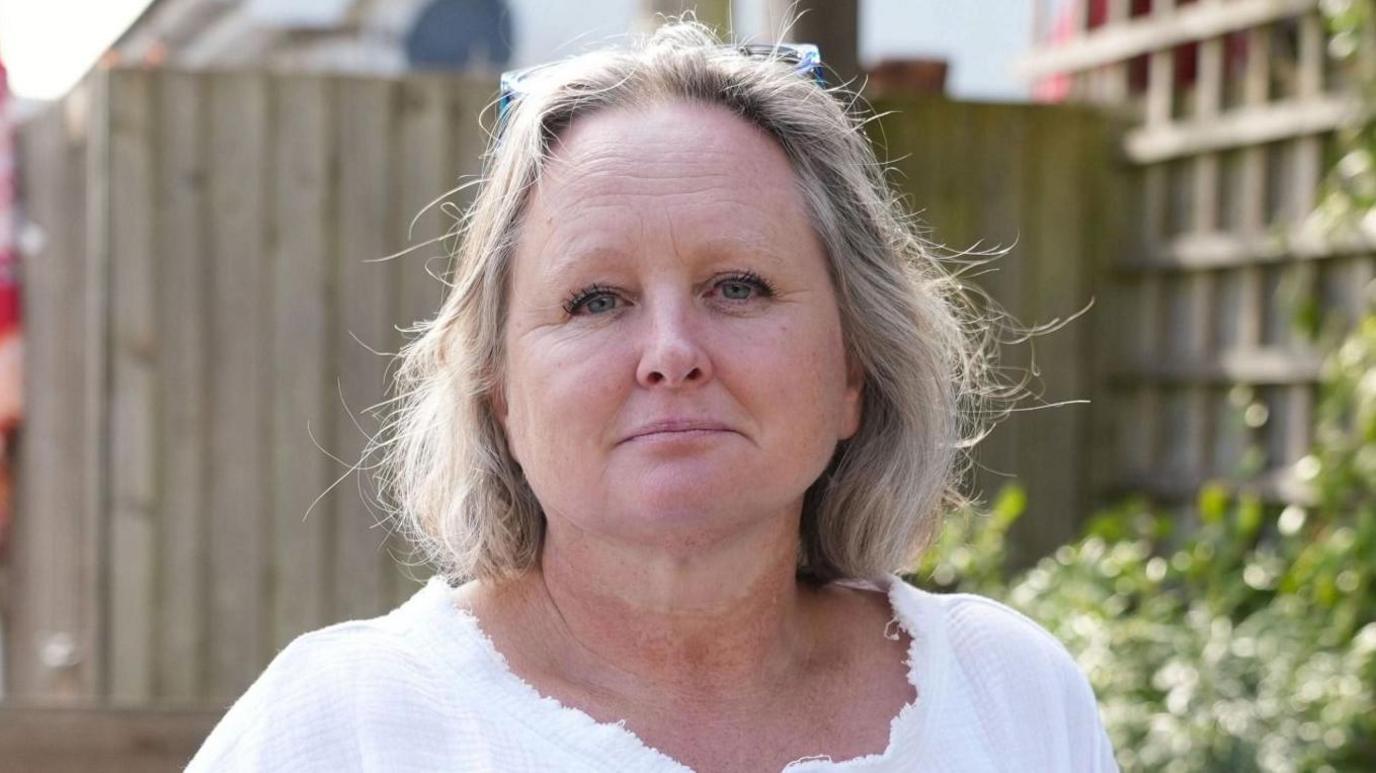
Romy Wood denies using AI to write her novel
A Welsh learner who submitted a novel to one of the National Eisteddfod's most prestigious writing competitions said she was "devastated" when judges accused her of using Artificial Intelligence to write it.
Romy Wood from Cardiff submitted her entry titled Y Dderwen under the pseudonym Lithedora.
Judges Meinir Wyn Edwards, Llwyd Owen, and Lleucu Roberts originally said it was "disgraceful" one of the nine entrants had used AI in "a competition as important as this one" - something Wood denies.
The independent adjudicators later said they were "deeply sorry to have caused distress", adding: "No doubt, one day we will see this new author for our language wearing the medal".
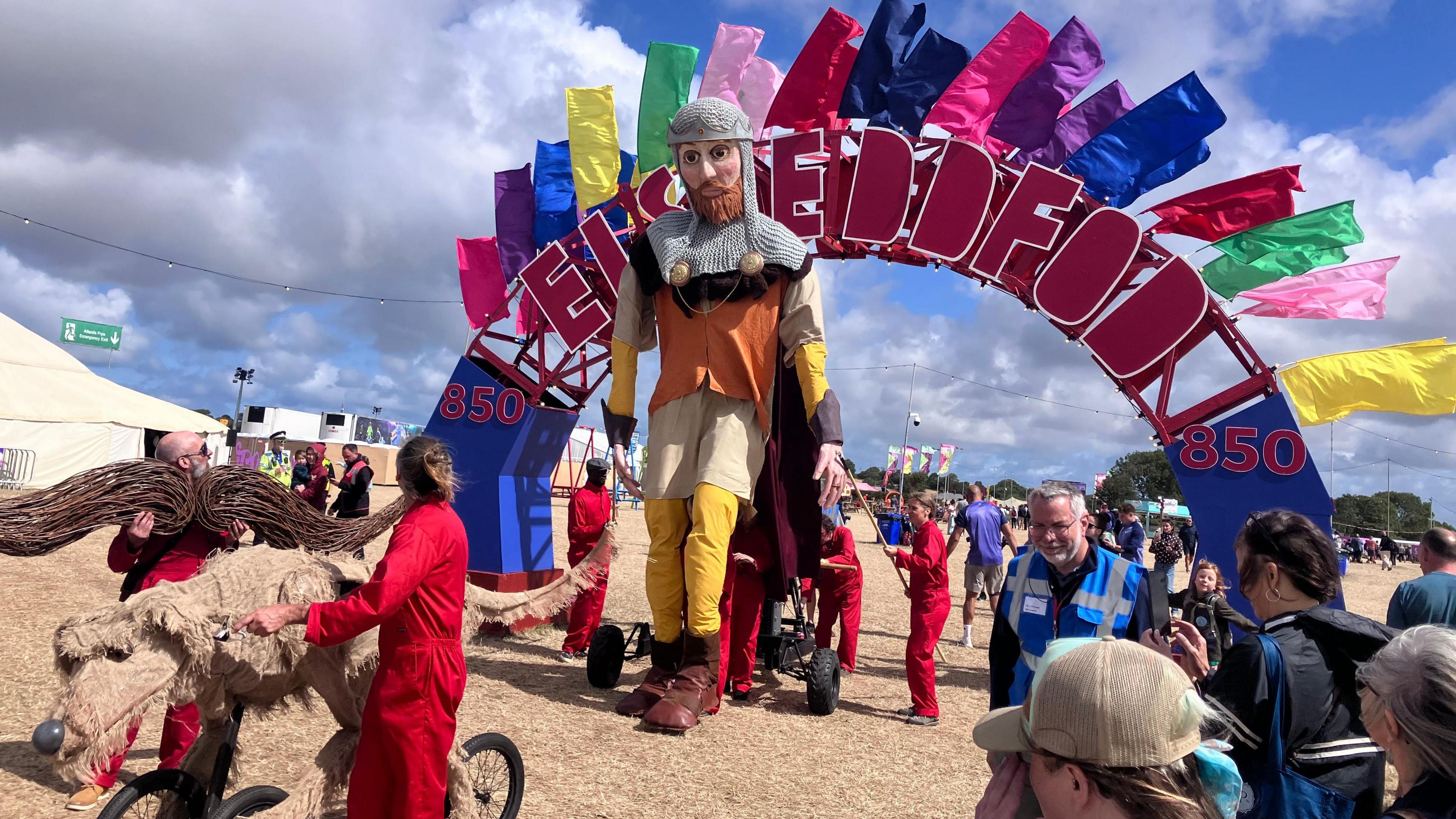
The National Eisteddfod celebrates Welsh language, music, literature, and arts
BBC Wales has seen confirmation that Wood entered the Daniel Owen Memorial Prize, which is for unpublished novels of at least 50,000 words.
All entrants in the main literature prizes in the National Eisteddfod compete under pseudonyms, as a part of the festival's strict confidentiality rule.
During the ceremony on Tuesday, judge Meinir Wyn Edwards said there was "no plan or narrative arc in this novel" and that the "clumsy, flawed expression makes the whole thing almost impossible to read".
"So much so, that we suspect an artificial intelligence machine created the novel and that the author didn't even bother to read through the work," he added.
According to the adjudicators, the novel was placed "at the bottom of the pile".
In response, the published author told BBC Wales that her novel was a "personal story" about her family history, so she was "devastated" after hearing the adjudication broadcast live on S4C.
"I was devastated when I watched it because there was a whole minute of insults and sarcasm and laughing and this feeling that perhaps it had been written by AI," she said.
She added she felt "personally affronted and upset because, like all writers, I'm very nervous about my work.
"It's very personal. I've written for a long time. I've never written in Welsh before."
 Image source, Romy Wood
Romy Wood says she has written to the National Eisteddfod, but has not received a response
Wood became emotional as she said her confidence as a Welsh speaker had been "shattered" by the experience.
She has written a letter to the National Eisteddfod asking if it was a acceptable to "laugh and mock each other" in a "public place and in a situation" such as a broadcast on S4C, but said she had not received a response.
Wood also called for respect for those who had entered the competition, adding that "sarcasm and rudeness is for the playground, not for an institution like the Eisteddfod".
Rebecca Thomas from Cardiff won the prize on Tuesday for her novel Ynys Gwales.
The National Eisteddfod said they had a process in place requiring entrants to confirm they have not used AI to create their work - but has no automatic processes or systems to check for AI or plagiarism.
It said because Wood's entry was not placed in the higher category, it "wasn't required" to be checked for AI.
 Image source, Aled Llywelyn | Eisteddfod Genedlaethol
This year's festival was held in Llantwd, north Pembrokeshire
The National Eisteddfod added adjudicators were entirely independent, and that it was "important for us as an organisation to respect that independence".
But it said: "At the same time, we want to see feedback delivered in a respectful and constructive manner; we would never want any competitor to feel that the experience was spoiled by the way the feedback was given.
"Encouraging learners to participate fully in our competitions is also a vital principle for us, as part of our commitment to supporting the growth of the Welsh language and welcoming new speakers to our competitions."
The organisation said it would share the feedback with judges and consider it as it continued to "foster an inclusive and supportive environment for everyone taking part".
In response to Wood's comments, the adjudicators said they fully accepted "the Eisteddfod's guidelines on respect".
They said: "We are deeply sorry to have caused distress, but the three of us were unanimous in the view that the work had been created by some form of artificial intelligence.
"It is wonderful to see learners honing their craft through Eisteddfod competitions. No doubt, one day we will see this new author for our language wearing the medal.
"Very warm congratulations to Rebecca Thomas on creating a truly special novel."