8 months ago
40
8 months ago
40

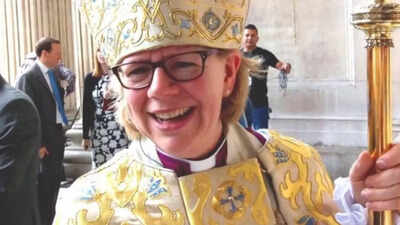
Church of England Shatters Tradition: First Female Archbishop Sparks Global Anglican Divide
On January 28, 2026, Dame Sarah Mullally was officially confirmed as the first female Archbishop of Canterbury, marking a watershed moment in the 1,400-year history of the Church of England and capturing global attention across the Anglican Communion, whose members span more than 165 countries.
Her confirmation ceremony at St Paul’s Cathedral in London, an ancient and legal ecclesiastical rite, was both celebratory and symbolic. Bells rang as she took on the role of spiritual leader once held only by men and her pledge to champion unity and pastoral care resonated with many observers.However, while her appointment represents a historic advance in gender equality within global Christianity, it also exposed deep fractures within the worldwide Anglican Communion, from liberal provinces that celebrated the milestone to conservative branches that raised profound theological objections.
Celebration and support for Sarah Mullally across many provinces
In many parts of the Anglican world, Mullally’s appointment was welcomed as a long-overdue step toward equality and inclusion. Clergy and lay leaders from more progressive provinces applauded the Church of England for breaking the “stained-glass ceiling” and demonstrating that women can occupy the highest offices of spiritual leadership.
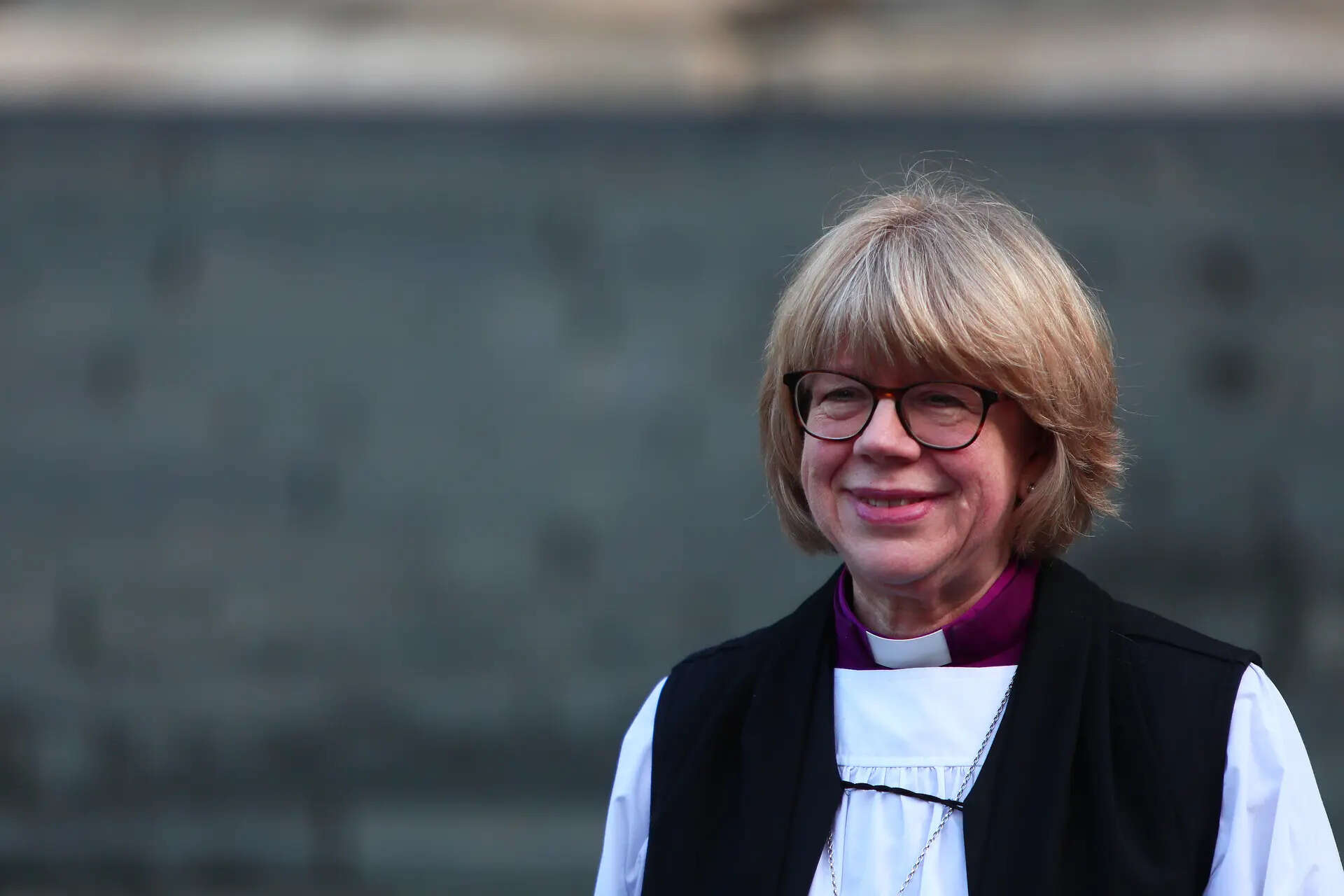
LONDON, ENGLAND - JANUARY 28: The new Archbishop of Canterbury, Sarah Mullally seen on the steps outside St Paul’s Cathedral after her confirmation, on January 28, 2026 in London, England. Today Bishop Sarah Mullally DBE is confirmed as the 106th Archbishop of Canterbury in a service that marks her legal transition from Bishop of London to Archbishop of Canterbury. She becomes the first female archbishop to serve as leader of the Church of England, after Justin Welby resigned in 2024 over his handling of a safeguarding scandal. Mullally will give her first sermon as Archbishop of Canterbury during an installation service at Canterbury Cathedral on March 25. (Photo by Alishia Abodunde/Getty Images)
Supporters point out that the Church of England first ordained female priests in 1994 and consecrated its first female bishop in 2015, a gradual arc of inclusion now culminating in Mullally’s leadership.
Many advocates see her role as evidence that long-standing gender norms in church leadership are being reexamined and transformed.Even within traditionally conservative contexts, there were voices of hopeful affirmation. For example, Bishop Emily Onyango of Kenya argued that the appointment signaled a new dawn for the Church and called for peace and reconciliation across the Communion.
Deep divisions in the global South
Yet the reactions have not been universally positive:
- Conservative Anglican groups, especially in parts of Africa and the Global South, have expressed strong objections to Mullally’s leadership, not only because she is a woman but also because of broader concerns over theological direction and biblical interpretation.
- Organisations like the Global Anglican Future Conference (GAFCON) issued statements lamenting the appointment, saying that the decision reflects a departure from what they consider the “historic and consensual interpretation” of Scripture and that the Archbishop of Canterbury can no longer function effectively as a unifying leader of a divided Communion.
- Rwandan Archbishop Laurent Mbanda, chairman of GAFCON’s primates council, echoed this divide by asserting that Mullally’s support for same-sex marriage blessings, a position held by some provinces and her gender make it problematic for her to serve as a symbolic “first among equals” for Anglicans worldwide.
- In Nigeria and other conservative provinces, some Anglican leaders have said the Church’s constitutional practice, which traditionally did not allow women to serve as bishops, is being compromised and that the Communion’s unity is at risk. Public discussions in social platforms show that some conservative congregants interpret the appointment as part of a broader ideological shift that undermines historic doctrine.
A communion at crossroads: Unity vs diversity
The Anglican Communion with roughly 100 million members globally has long struggled with internal theological disputes, especially on the status of women and LGBTQ+ inclusion.
Mullally’s installation has brought these debates to the fore once again.Some observers say the appointment’s reaction illustrates how geographically and culturally diverse the Communion has become. In Western and Northern provinces, there is substantial support for expanding gender roles and ecclesiastical authority to women. In many African and Asian provinces, however, traditional interpretations of Scripture and ecclesial leadership still dominate.
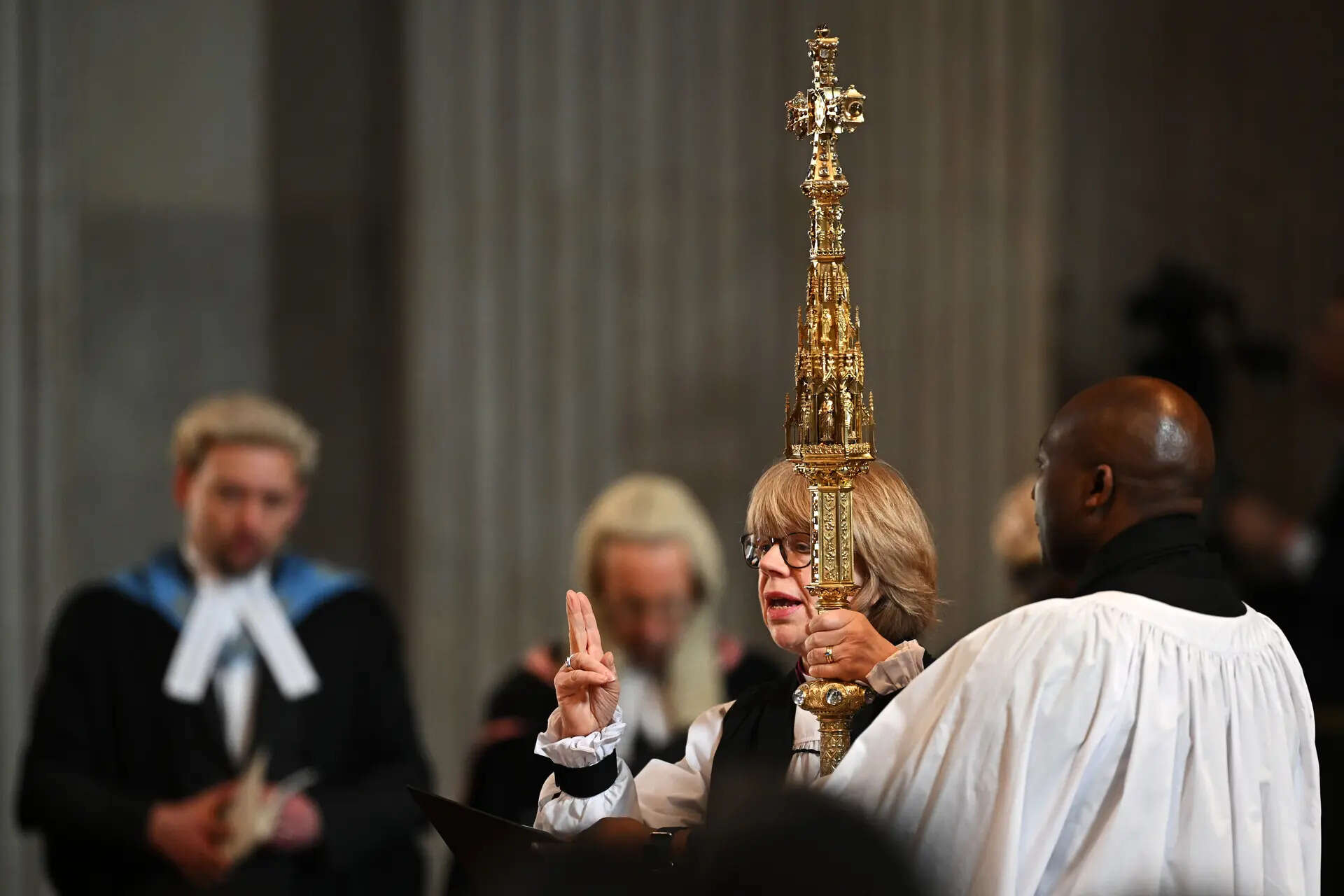
First Female Archbishop of Canterbury Appointed: A Historic Moment for the Church of England
While the Archbishop of Canterbury is not a formal hierarchical head of the Communion, the global body has no central authority akin to the Pope in Catholicism, the role is widely regarded as a symbolic spiritual leader. That symbolic function is precisely what critics argue is now jeopardised by such a polarising appointment.
Voices of unity amid division
Despite the disagreements, there are influential Anglican voices urging a path forward grounded in mutual respect and listening:
- Bishop Anthony Poggo, Secretary-General of the Anglican Communion, emphasised the need for prayer and wisdom as Mullally assumes her responsibilities.
- Other leaders, including Archbishop Thabo Makgoba of Southern Africa, openly welcomed the appointment and expressed eagerness to work with Mullally in advancing the mission of the global Church, signalling that not all southern provinces share the same opposition.
- Likewise, across social platforms and smaller diocesan networks, many Anglicans shared mixed reactions not just based on gender but reflecting hopes for new approaches to pastoral care, inclusion, and maintaining communion amid diversity.
Looking ahead: The future of Anglican leadership
As Dame Sarah Mullally prepares for her formal enthronement at Canterbury Cathedral in March 2026, the global Anglican Communion remains deeply engaged in its internal discourse over leadership, doctrine and identity.
Her leadership will test whether the Anglican Communion, a body inherently broad and diverse, can embrace plurality without splintering further or whether her appointment will accelerate conversations about new structures for global Anglican unity.What is clear from the varied reactions, from jubilant progressives to worried conservatives, is that this historic moment has redefined conversations about faith, authority, and tradition across continents, cultures and congregations alike. The varied global response to Mullally’s appointment goes beyond church politics. It reflects wider societal discussions about gender equality in leadership roles, the interpretation of religious tradition in the modern age and how global institutions balance diversity with unity.As one member put it online, the appointment is “history in the making”, not just for the Church of England but for a global community wrestling with change.