6 months ago
31
6 months ago
31

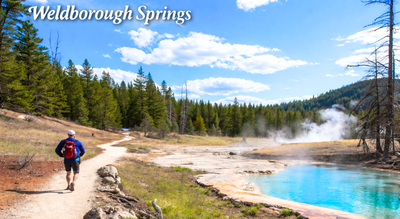
Australian tour website’s AI content sends visitors on wild goose chase for non-existent Tasmanian hot springs
An Australian tour website has been forced to pull content and issue warnings after travellers began arriving in a remote Tasmanian town looking for hot springs that were never there, a destination invented entirely by artificial intelligence and presented online as a must-visit attraction for 2026.The fictional site, called Weldborough Hot Springs, appeared in an article titled “7 Best Hot Springs Tasmania Experiences for 2026” on the Tasmania Tours website, describing a “secluded forest retreat” offering a “peaceful escape” and an “authentic connection to nature”. The website claimed walkers were greeted by pools “rich in therapeutic minerals”. The problem, as confused locals soon had to explain, is that Weldborough has no hot springs at all.
Confused tourists, baffled locals
Weldborough is a small settlement in north-east Tasmania, best known for its pub and its proximity to forests and rivers. Yet after the article went live in July 2025, visitors began turning up asking how to reach the advertised pools, often at the Weldborough Hotel, the town’s most recognisable landmark.
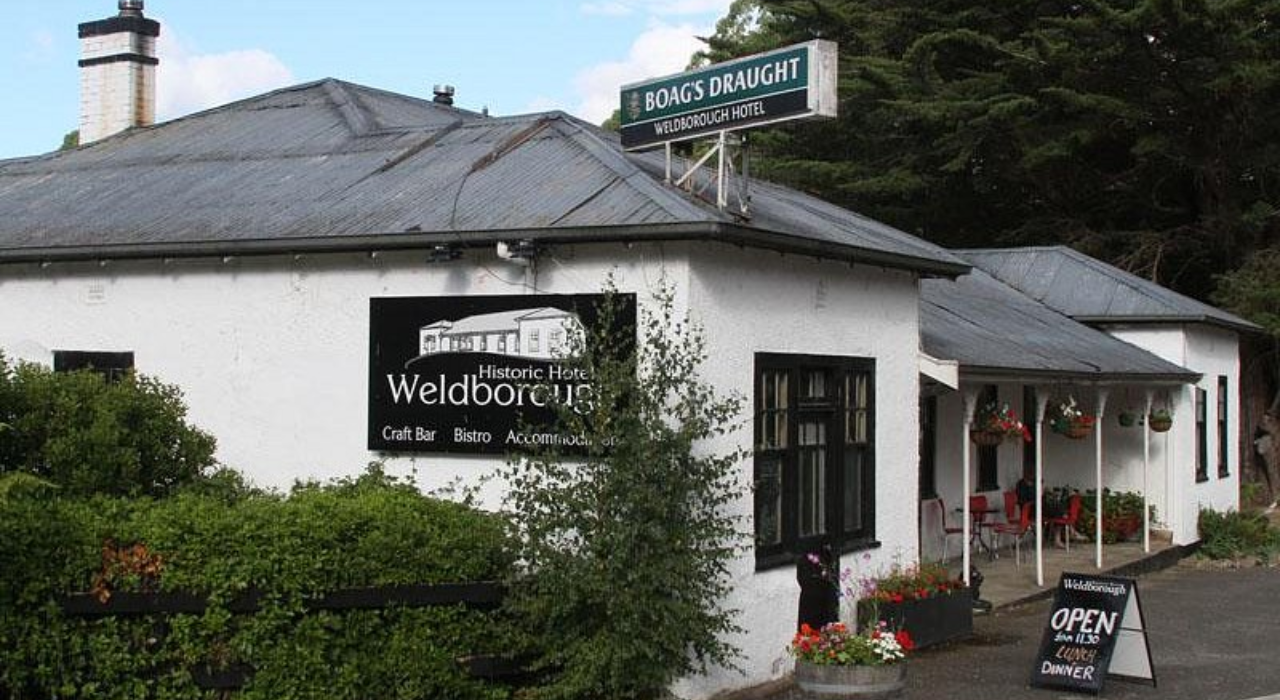
Weldborough Hotel/ Image: Trip Advisor
Local publican Kristy Probert told Australian Broadcasting Corporation that the enquiries quickly became a daily occurrence.
“I actually had a group of 24 drivers turn up there two days ago that were on a trip from the mainland, and they’d actually taken a detour to come to the hot springs,” she said. Instead, Probert found herself explaining that the only nearby waterway is the Weld River, which she described as “freezing cold” and “definitely not a hot spring”. “They’re more likely to find a sapphire than … to find a hot spring, to be honest,” she said, adding that she jokingly promised free drinks to anyone who managed to locate the mythical pools.
“If you find the hot springs, come back and let me know and I’ll shout you beers all night, they didn’t come back.”
‘Our AI has messed up completely’
Tasmania Tours is operated by Australian Tours and Cruises, a New South Wales–based company that runs multiple travel-booking sites. Its owner, Scott Hennessy, acknowledged the error and said the article, along with other AI-generated posts, had been removed.
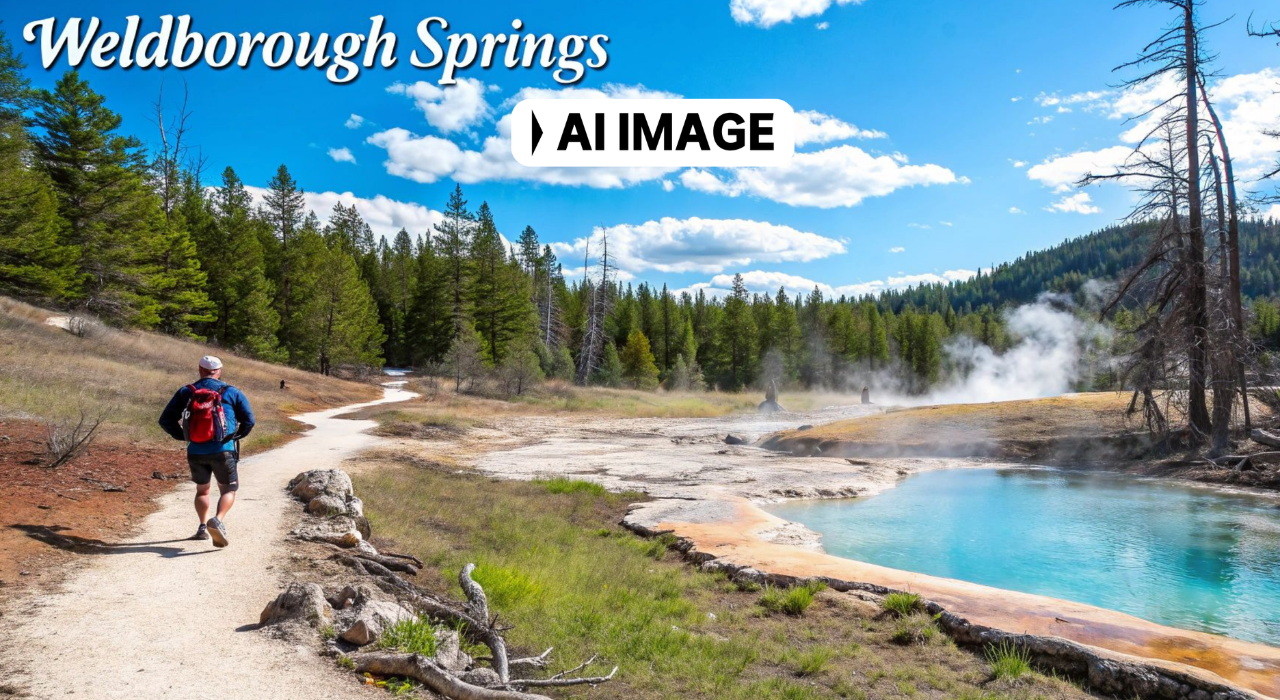
The article has since been taken down, along with other AI-generated content, following complaints and mounting confusion
“Our AI has messed up completely,” Hennessy said, explaining that the company had outsourced some marketing content to a third party that used artificial intelligence.
While posts were usually reviewed before publication, some went live while he was overseas.“We’re trying to compete with the big boys, and part of that is keeping our content refreshed and new all the time,” he said. “We don’t have enough horsepower to write enough content on our own, and that’s why we outsource part of this function. Sometimes it’s perfect and really good and does what you hope it would do, and sometimes it gets it completely wrong.”Hennessy stressed that Tasmania Tours is a legitimate business selling real tours, not a hoax site. “We’re not a scam, we’re a married couple trying to do the right thing by people … we are legit, we are real people, we employ sales staff,” he said. All AI-generated blog posts, he added, are now being audited.
A growing problem with AI travel advice
The Weldborough case is not isolated. Travel experts say so-called “AI hallucinations,” where systems confidently invent facts, are increasingly sending people to the wrong places or giving unsafe advice. Destination Southern Tasmania’s Anne Hardy said research suggested around 90 per cent of AI-generated itineraries contained at least one error, while more than a third of travellers now rely on AI to plan trips. Mistakes often include incorrect opening hours, inaccurate descriptions and, in this case, destinations that simply do not exist. Similar incidents have been reported internationally, including tourists attempting to visit a non-existent canyon in Peru and travellers in Malaysia seeking out an AI-generated cable car attraction. For Weldborough, the episode has brought unwanted attention, and a steady stream of disappointed visitors. For travellers more broadly, it has served as a blunt reminder that, however convincing the language or imagery, not everything generated online reflects reality on the ground.