1 hour ago
1
1 hour ago
1

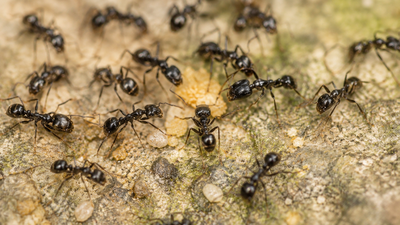
A Michelin-starred restaurant in South Korea has found itself at the centre of an unusual legal battle after prosecutors sought a one-year prison sentence for its owner over the use of ants as a dessert garnish.
Authorities allege the restaurant served around 49,000 imported ants over four years despite ants not being among the insect species approved for human consumption under South Korean law. Prosecutors are also seeking a 20 million won (about $13,500) fine against the restaurant. The case has drawn international attention because it raises questions about food safety regulations, fine dining innovation and the limits of culinary experimentation in one of Asia's most competitive restaurant industries.
Why the Michelin-starred restaurant is facing criminal charges
The case centres on South Korea's food safety regulations, which strictly govern which insects may be legally consumed. While the country permits the sale and consumption of 10 approved edible insect species, ants are not included on that list. Prosecutors argue that serving unapproved insects violates the Food Sanitation Act regardless of whether customers willingly chose to eat them. The restaurant, which holds two Michelin stars, is also facing a proposed fine of 20 million won alongside the jail term sought for its owner.
Why were ants served on desserts?
According to court proceedings, the ants were primarily used as a garnish on sorbets and selected dishes in the restaurant's 15-course tasting menu. The owner admitted using ants but argued they represented only a small part of the dining experience. Diners were reportedly informed in advance and offered alternatives such as edible flowers or fermented vinegar if they preferred not to try the ant garnish. The defence said only about 60% of guests chose the ants.
Investigators estimate nearly 49,000 ants were used
Authorities estimate the restaurant imported and used around 49,000 ants from the United States and Thailand over a period of four years. The case came to light after officials from South Korea's Ministry of Food and Drug Safety noticed online reviews and photographs posted by diners showing desserts topped with ants. Those images prompted an investigation into the restaurant's ingredients and food preparation practices.
Heavy metal findings added to the controversy
Health authorities said laboratory testing found that the ants contained up to 55 times more heavy metals than insects already approved for human consumption in South Korea. Officials did not publicly specify which heavy metals were detected or report any illnesses linked to diners. However, the findings strengthened prosecutors' argument that unapproved insects may pose food safety risks and should not be served without regulatory approval.
The restaurant says ants are used by chefs around the world
In its defence, the restaurant argued that using ants in fine dining is not unusual internationally. The owner said chefs in countries including Australia, Denmark and the United Kingdom have incorporated ants into dishes because of their distinctive citrus-like flavour. The defence maintained that customers knowingly chose the garnish and that the restaurant did not attempt to conceal its use of ants.
What does Michelin-starred mean?
A Michelin star is one of the highest honours in the restaurant industry, awarded by the Michelin Guide for exceptional cooking.
Restaurants are assessed on ingredient quality, mastery of cooking techniques, harmony of flavours, consistency and the chef's culinary vision. A two-star rating indicates a restaurant offers excellent cuisine that is considered worth making a detour to experience. The Michelin Guide itself is not involved in the legal proceedings against the restaurant.
Are ants eaten in other countries?
Although illegal under South Korea's current regulations, ants are eaten in many parts of the world.
Weaver ants and their eggs are widely used in Thai and Cambodian cuisine, while Colombia's queen ants are considered a regional delicacy. In Mexico, escamoles, often referred to as "insect caviar", are harvested from ant larvae and served in traditional dishes. Several modern fine-dining chefs have also experimented with ants to add acidity and texture to gourmet menus.
Verdict expected in September
The restaurant's identity has not been disclosed in court documents, and neither has the owner's name. South Korea currently has 10 restaurants with two Michelin stars, all located in Seoul. The court is expected to deliver its verdict on 2 September. The judge may accept the prosecution's request, impose a lighter sentence, order only a fine or acquit the owner, depending on the evidence presented during the trial.