1 hour ago
4
1 hour ago
4


What started as a quick late‑night snack has turned into a legal and workplace showdown for one longtime Ford employee.Kurt Kromm, a 60‑year‑old former electrician at Ford’s Kentucky Truck Plant, says his 11‑year career with the automaker abruptly ended in May after he was accused of stealing a $1.95 packet of Grandma’s Chocolate Chip Cookies from a self‑checkout kiosk.
He insists he paid for the snack, and later produced bank records he says prove it, prompting Ford to offer him $33,000 in back wages and his old job back. Instead of returning, he is now preparing to sue.
A diabetic worker, a glitchy kiosk and a small snack
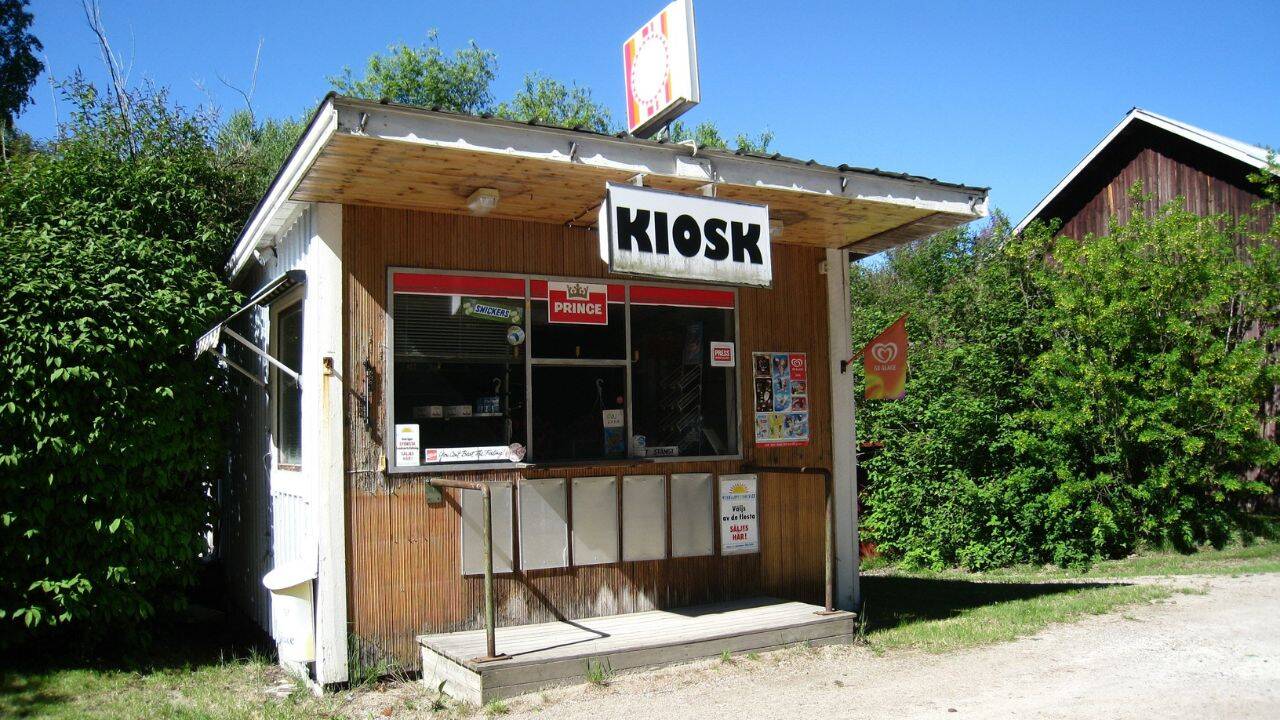
Representative image
Kromm, who is diabetic, says the incident began during an overnight shift when his blood sugar dropped and he went to an Aramark‑run kiosk in the plant cafeteria to buy cookies. He scanned the packet and used the self‑checkout terminal, swiping his debit card to pay.He recalls the payment screen briefly flashing a red error message the first time he swiped, which left him uncertain. When he tried again, the terminal appeared to work normally.“I figured, well, it probably went through,” he told reporters. “This was so inconsequential to me — $1.95. I figured I paid," he said, as per The Independent.The snack was such a minor purchase that he didn’t think much more about it. But about a week later, he says his supervisors called him in, accused him of taking the cookies without paying, and told him he was being terminated.
He was then escorted out of the Kentucky Truck Plant before he had the chance to check the kiosk records or review what had happened.
Bank records show the $1.95 did go through
Once home, Kromm looked closely at his bank activity. There, he says, he found a $1.95 debit card transaction that matched the timing and amount of the cookie purchase. He submitted a bank statement to Ford and to Aramark as proof that the payment had been processed.After reviewing the documentation, Ford reversed course.
The company acknowledged that the cookie had indeed been paid for and that the firing was a mistake. According to Kromm, Ford offered to reinstate him in his role at the Kentucky Truck Plant. They paid him roughly $33,000 in back wages to cover the period between his termination and the reversal. Despite this, Kromm says he will not accept the offer to return to Ford.His attorney, J. Will Huber, argues that Ford and Aramark had the information needed to avoid the situation from the beginning.
“The accusation of theft made against Mr. Kromm was false, and the proof was available to both Aramark and Ford from the start,” Huber said, as per the report. He noted that their investigation is ongoing and that they are exploring “all available claims, including defamation.”“Neither Aramark nor Ford has published a retraction, and to this day neither has cleared Mr. Kromm’s name...The way Aramark and Ford handled this situation was unacceptable, and Mr.
Kromm intends to pursue his claims to the fullest extent of the law," he added.
Ford and Aramark say they’re reviewing kiosk issues
Ford fired an 11-year employee over a $1.95 cookie, then his bank statement changed everything
Ford has declined to comment directly on Kromm’s potential lawsuit, saying it does not address pending litigation. However, the company acknowledged that concerns have been raised about the self‑serve kiosks it has introduced at its plants.“We have invested significantly to upgrade our workplaces, including self‑serve kiosks operated by Aramark to provide 24/7 convenience for our employees...We
are aware there have been some issues raised regarding the kiosk functionality in some limited cases, and we are working with Aramark to review these situations," a Ford spokesperson said.Aramark, which operates the kiosks, offered a similarly cautious response. “We do not comment on potential litigation,” a spokesperson said. “We remain focused on operating with integrity and accountability.”Neither company has publicly detailed what went wrong with Kromm’s transaction or how the alleged non‑payment was initially flagged, as per the report.
“I’m doing what the union should be doing”
On top of his criticism of Ford and Aramark, Kromm has also expressed frustration with his union, the United Auto Workers (UAW). As a UAW‑represented worker, he says he expected more assertive support once he was accused.“I’m doing what the union should be doing,” he told the newsletter Shifting Gears with Phoebe Wall Howard, which first reported his claims. “They should be standing up and pounding on the table and saying this is unacceptable.
You don’t treat people this way.”He argued that Ford should not “automatically fire someone” over a low‑value item without investigating thoroughly, and that Aramark should not make allegations “without doing their research.”
Another worker says he lost his job over crackers
Kromm’s story is not the only one raising questions about kiosk‑related discipline at Ford plants. Another former Ford employee, Nick Nabozny, also said that he was dismissed from a Michigan plant in April after being accused of taking Ritz crackers at a similar self‑checkout station.Like Kromm, Nabozny claims the accusation was wrong and that he encountered problems with the kiosk payment system. The UAW has stated that Nabozny’s case is under review.Together, these incidents are sparking a wider discussion about: How reliable self‑checkout technology is in industrial workplaces. Whether low‑value transactions are being handled appropriately before serious accusations like theft are made.
And, how unions and employers should protect workers when systems glitch or instructions are unclear.For Kromm, the issue is no longer about the cookie itself but about trust and reputation. After over a decade at Ford, he says being escorted out over a disputed $1.95 purchase, and only cleared after he provided his own proof, has permanently changed how he views his former employer.Thinking about this story, what do you feel is the most important fix: stronger safeguards and error checks on kiosks, more thorough investigations before firing employees, or clearer union protocols for defending workers in situations like these?