1 hour ago
1
1 hour ago
1

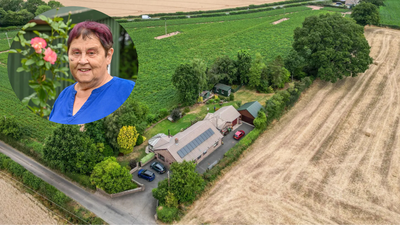
A 79-year-old grandmother in Herefordshire, UK, is refusing to sell part of her garden for a major road project that could bring a 60mph route close to her home. Jean Harris, a retired school secretary and piano teacher, has point-blank refused to negotiate over the land needed for the proposed Southern Link Road, now being developed as Phase 1 of the Hereford Western Bypass.
The project is expected to cost more than £45 million, roughly $60 million, and would require a portion of Harris's garden. Harris says she is determined to protect the wildlife around her home and a neighbouring ancient oak tree that she believes is around 500 years old. She also fears the road could affect the value and peaceful surroundings of the home where she has lived since 2003. With the council pursuing land acquisition for the scheme, Harris faces the possibility of losing part of her garden even though she has refused to sell it voluntarily.
Why the 79-year-old grandmother is refusing to sell her garden
Jean Harris lives in a three-bedroom bungalow in Allensmore, Herefordshire, which she bought in 2003. The retired school secretary and piano teacher has two grown-up children and three grandchildren, and has spent more than two decades living at the property. Her home, known as Pykeways, sits on a plot with roughly two-thirds of an acre of garden, part of which would be affected by the proposed road. Harris says she has point-blank refused to sell any portion of her land and has not entered into negotiations with Herefordshire Council.
For her, the garden is not simply an asset that can be exchanged for money. She fears losing part of it would permanently change the surroundings of her home and could affect its future value and appeal. Reports have valued the three-bedroom property at approximately £575,000. Harris says she would rather continue fighting the road scheme than voluntarily give up the land she has lived with for years.
The road that could come close to her home
The proposed route would pass very close to Harris's property and affect the existing access arrangement to her home.
Herefordshire Council planning documents indicate that the route would bisect the existing lane serving Pykeways, meaning changes would be needed to the property's access. Harris has described the proposed road as a 60mph route that could bring traffic and noise much closer to her home. She fears the presence of a busy road would destroy the quiet surroundings she currently enjoys and make the property less attractive to future buyers.
Her concerns extend beyond the physical loss of garden space, as she says the noise, traffic and disruption could fundamentally change her day-to-day life. For a homeowner who has lived at the property since 2003, Harris sees the proposed road as a permanent alteration to the character of the place she considers home.
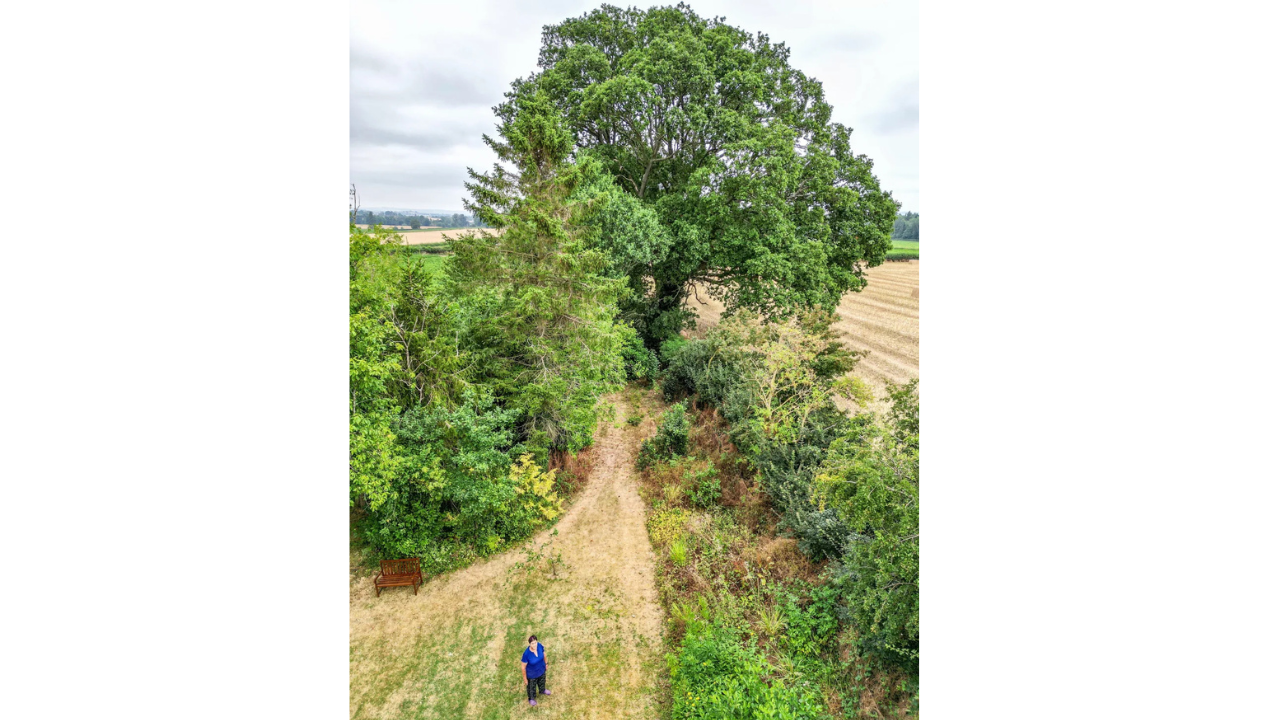
Jean's fight to protect a 500-year-old oak tree
One of Harris's strongest objections concerns an ancient oak tree standing in a neighbouring farmer's field.
She describes the tree as a local landmark and believes it is around 500 years old. Harris has argued that the tree and the surrounding landscape are important to the character of the area and should be protected from the effects of major road construction. She has also raised concerns about wildlife around her home, including birds, bats and other species that she says use the surrounding land.
Her fear is that construction activity, traffic and changes to the landscape could disturb wildlife habitats and affect the environment around the oak.
The claim that the oak is approximately 500 years old comes from Harris and should therefore be attributed to her rather than treated as independently verified. Her campaign, however, has made the tree one of the most recognisable symbols of her opposition to the road.
Why Jean says the £60m road is not worth it
Harris is also questioning whether the road will deliver enough benefit to justify its cost and the disruption it could cause. The project is expected to cost more than £45 million, roughly $60 million, although the final cost remains subject to the development of the scheme.
Harris argues that the road would do little to solve congestion despite the large amount of public money involved. She believes the environmental and personal costs should be considered alongside the projected transport benefits.
For Harris, the issue is not simply that a small section of her garden could be acquired. She says the project could change the character of the area, affect wildlife and bring a fast-moving road close to her home.
Her opposition therefore combines concerns about her property with wider objections to what she sees as an unnecessary and potentially damaging infrastructure project.
She has refused to negotiate over her land
Harris has made her position unusually clear by refusing to voluntarily sell any part of her property for the road scheme. Reports say she has not entered negotiations with Herefordshire Council over the portion of land required. Although the affected section represents only part of her roughly two-thirds-of-an-acre garden, Harris says she does not want to give it up.
Her refusal has turned her property into one of the most closely watched parts of the road scheme.
Rather than accepting compensation and moving on, she has chosen to publicly oppose the project and explain why she believes the garden, surrounding wildlife and ancient oak are worth protecting. Her stance has also raised a broader question over how far individual homeowners should be expected to compromise when large public infrastructure projects require privately owned land.
Could Jean be forced to give up her garden?
Harris's refusal to sell does not necessarily mean the road project will stop. Herefordshire Council has approved the acquisition of land needed for the scheme and has indicated that compulsory purchase powers may be used where voluntary agreements cannot be reached. Under such a process, the council could seek to acquire the required portion of Harris's property through statutory procedures, subject to the necessary legal requirements and any rights she may have to challenge the acquisition.
This creates the possibility that Harris could continue refusing to sell voluntarily but still lose the affected section of land if the compulsory purchase process is ultimately approved. For someone who has spent more than 20 years living at Pykeways, that prospect represents a significant escalation in the dispute and could determine whether her fight to keep the garden succeeds.
What the council says about the road
Herefordshire Council maintains that the road is needed to improve transport connections, reduce congestion and support economic and housing growth around Hereford.
The Southern Link Road, now being developed as Phase 1 of the Hereford Western Bypass, is planned to connect the A49 and A465 south of the city. The council says the scheme could improve journey times and access to employment areas while supporting wider development.
Its assessments have identified economic and transport benefits from the project. Those projected benefits are central to the council's case for continuing with the road, while Harris remains unconvinced that they justify the impact on her home, garden and the surrounding environment.
The disagreement therefore comes down to two very different views of the same project: a strategic transport link for the council and a major threat to her home and local surroundings for Harris.
What happens next for Jean?
The road project continues to move forward while Harris remains firmly opposed to giving up her garden. Herefordshire Council is pursuing the land required for the scheme and could use compulsory purchase powers if voluntary agreements cannot be reached.
Harris, meanwhile, continues to object to the project and says she does not want to sell. Her concerns extend from the immediate future of her garden to the potential effect of the road on her home, property value, wildlife and the ancient oak she regards as a local landmark.
The dispute has therefore become a human story about one homeowner standing against a multimillion-pound infrastructure project. Whether Harris can ultimately keep the affected portion of her garden will depend on the land-acquisition and planning process, but her position remains unchanged: she does not want to give up her land for the road.